
Homorthodes fractura
(Smith, 1906)
cutworm moth, dart moth
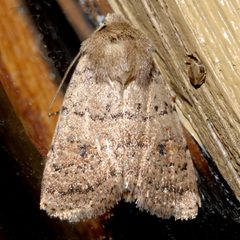
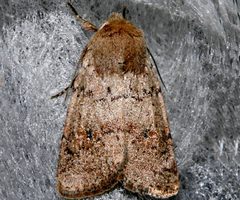
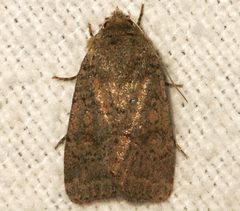
Homorthodes fractura is a noctuid described by Smith in 1906. It belongs to the Noctuinae, commonly known as or dart moths. Two are recognized: H. f. fractura and H. f. mecrona. The species is recorded from North America with 74 iNaturalist observations as of data collection.
Pronunciation
How to pronounce Homorthodes fractura: /hɒmɔːrˈθoʊdiːz frækˈtʃʊərə/
These audio files are automatically generated. While they are not always 100% accurate, they are a good starting point.
Identification
Distinguished from by the combination of Smith's 1906 description and the two recognized . The MONA/Hodges number 10534 provides a standardized reference for North American identification. Specific diagnostic wing patterns and genitalic characters require examination of or specialized literature.
Images
Distribution
North America. Presence confirmed through GBIF distribution records and iNaturalist observations.
Human Relevance
Assigned MONA/Hodges number 10534, indicating inclusion in standard North American reference systems used by researchers and collectors.
Similar Taxa
- Homorthodes furfurata in same with potentially overlapping range; requires examination of male genitalia and forewing pattern details for separation.
- Homorthodes lindseyiAnother Nearctic Homorthodes ; subtle differences in forewing maculation and genitalic structure distinguish the two.
More Details
Subspecies
Two are recognized: Homorthodes fractura fractura (nominate) and Homorthodes fractura mecrona Smith, 1908. The latter was described two years after the nominate form.
Nomenclatural history
Originally described as Taeniocampa fractura Smith, 1906 before transfer to Homorthodes.