
Papaipema impecuniosa
Grote, 1881
aster borer moth, impecunious borer
Papaipema impecuniosa is a noctuid whose larvae are specialized stem borers in asteraceous plants. The is to eastern North America, where it has been documented from Nova Scotia south to Georgia and west to the Great Lakes region. Larval feeding occurs within the stems and roots of Aster and Helenium species, making this a -specific herbivore with concealed feeding habits.
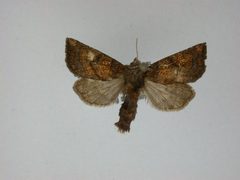
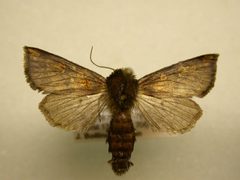
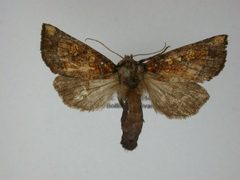
Pronunciation
How to pronounce Papaipema impecuniosa: /pəˌpaɪˈpiːmə ˌɪmpɛkjuˈniːosa/
These audio files are automatically generated. While they are not always 100% accurate, they are a good starting point.
Identification
are medium-sized noctuid with typical Papaipema . Larvae can be identified by their presence within bored stems of Aster or Helenium autumnale; the combination of plant and internal feeding distinguishes them from external-feeding lepidopteran larvae on the same hosts. No reliable external morphological characters for distinguishing adults from related Papaipema are documented in the provided sources.
Images
Habitat
Associated with supporting of Aster and Helenium autumnale, including meadows, prairies, and open woodlands. The species requires intact plant populations for larval development.
Distribution
Eastern North America: Nova Scotia to Georgia, west to Illinois, north to Wisconsin and Ontario.
Diet
Larvae feed internally on stems and roots of Aster and Helenium autumnale. feeding habits are not documented.
Host Associations
- Aster - larval larvae bore into stems and roots
- Helenium autumnale - larval larvae bore into stems and roots
Behavior
Larvae are concealed feeders, boring into the stems and roots of plants. This internal feeding habit provides protection from and environmental conditions.
Ecological Role
As a stem borer, larvae may influence plant through damage to vascular tissues and root systems. The contributes to the guild of internal-feeding herbivores on native Asteraceae.
Similar Taxa
- Other Papaipema speciesNumerous congeneric share similar and larval boring habits; accurate identification often requires examination of genitalia or association with specific plants.
More Details
Etymology
The specific epithet 'impecuniosa' derives from Latin, meaning 'without money' or 'poor'—the origin of this name choice by Grote (1881) is not documented in available sources.