
Hydraecia obliqua
Harvey, 1876
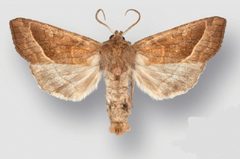
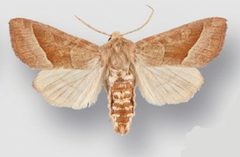
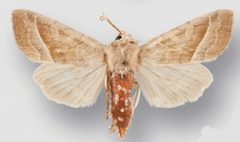
Hydraecia obliqua is a noctuid first described by Leon F. Harvey in 1876. It occurs in western North America from California's Sierra Nevada north through coastal Oregon and Washington to southwestern British Columbia, with an isolated at Terrace, British Columbia. The occupies riparian zones, oak savanna, mixed hardwood forests, and valley grasslands.
Pronunciation
How to pronounce Hydraecia obliqua: /hɪˈdrɑː.iː.sɪə əˈbliː.kwə/
These audio files are automatically generated. While they are not always 100% accurate, they are a good starting point.
Images
Habitat
Riparian zones along creeks and rivers of coastal rainforests, oak savanna, mixed hardwood forests, and valley grasslands.
Distribution
Western North America, extending east to the Sierra Nevada in California and the crest of the Cascade Range in Oregon and Washington. Continuous coastal distribution from California north to southwestern British Columbia, with a disjunct northern at Terrace, British Columbia.
Sources and further reading
- BugGuide
- Wikipedia
- GBIF taxonomy match
- iNaturalist taxon
- Catalogue of Life
- Outstanding PBS Deep Look Video: 'Why Do Sunflowers Face the Sunrise?' | Bug Squad
- Does Sneezeweed Make You Sneeze? | Bug Squad
- To Control Lekking Fruit Flies, Male Size Matters (Except When it Doesn't)
- Up Close and Personal With Venomous Moths
- Bug Eric: Sunflower Extravaganza
- Bizarre, beautiful extremes | Beetles In The Bush