Schinia siren
Strecker, 1876
Alluring Schinia Moth
Schinia siren, commonly known as the Alluring Schinia , is a small noctuid moth native to central and southwestern North America. The was described by Strecker in 1876 and is characterized by its relatively modest wingspan of approximately 22 mm. Larvae are specialized feeders on Verbesina encelioides, a member of the sunflower . The moth occurs in grassland and prairie across its range.
Pronunciation
How to pronounce Schinia siren: /ˈskiːniə ˈsaɪrɛn/
These audio files are automatically generated. While they are not always 100% accurate, they are a good starting point.
Identification
Distinguished from other Schinia by combination of small size (22 mm wingspan), geographic distribution in central and southwestern North America, and association with Verbesina encelioides as larval . Specific diagnostic features for separation from are not documented in available sources. Genitalia examination may be required for definitive identification, as is common in the .
Images
Appearance
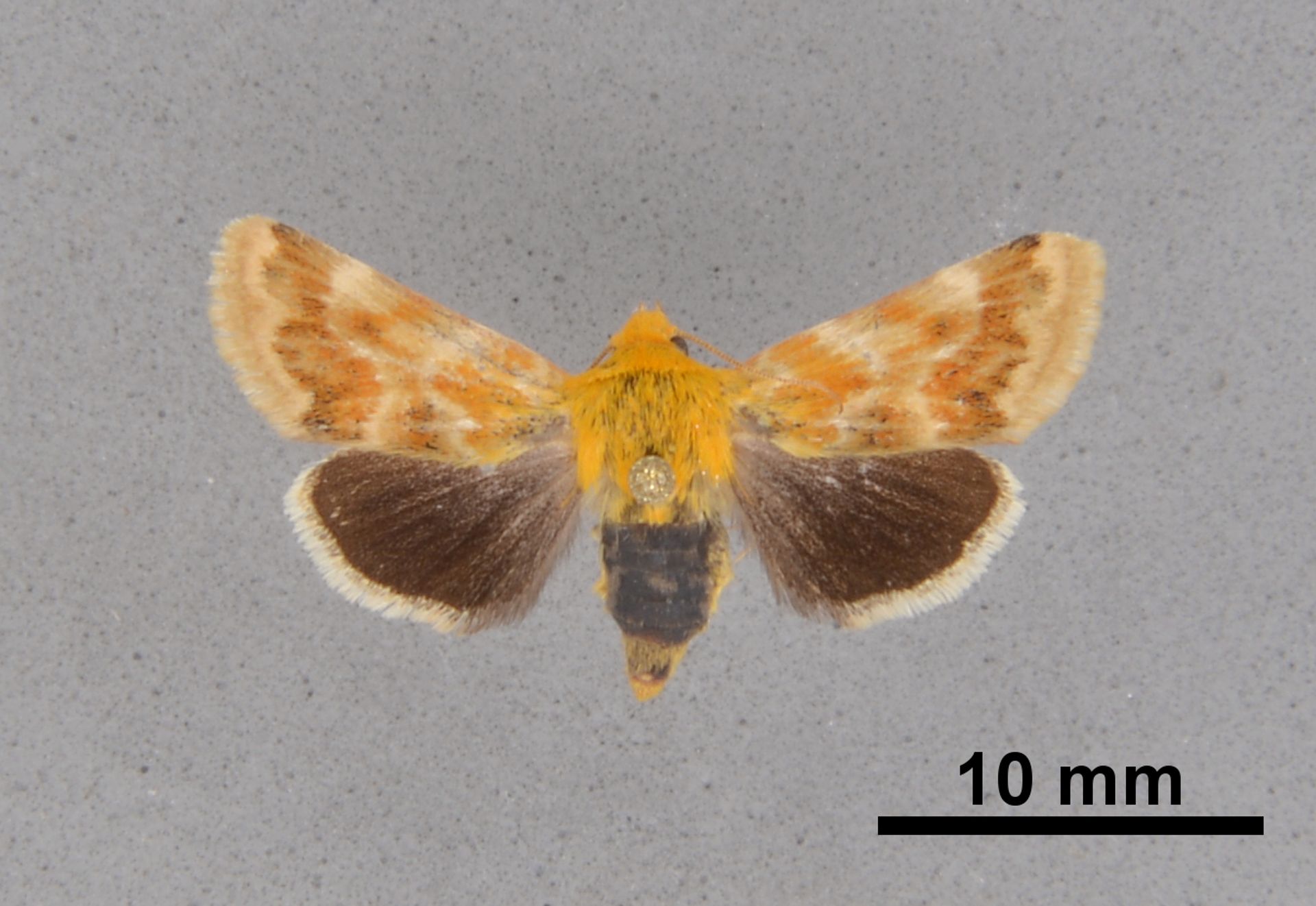
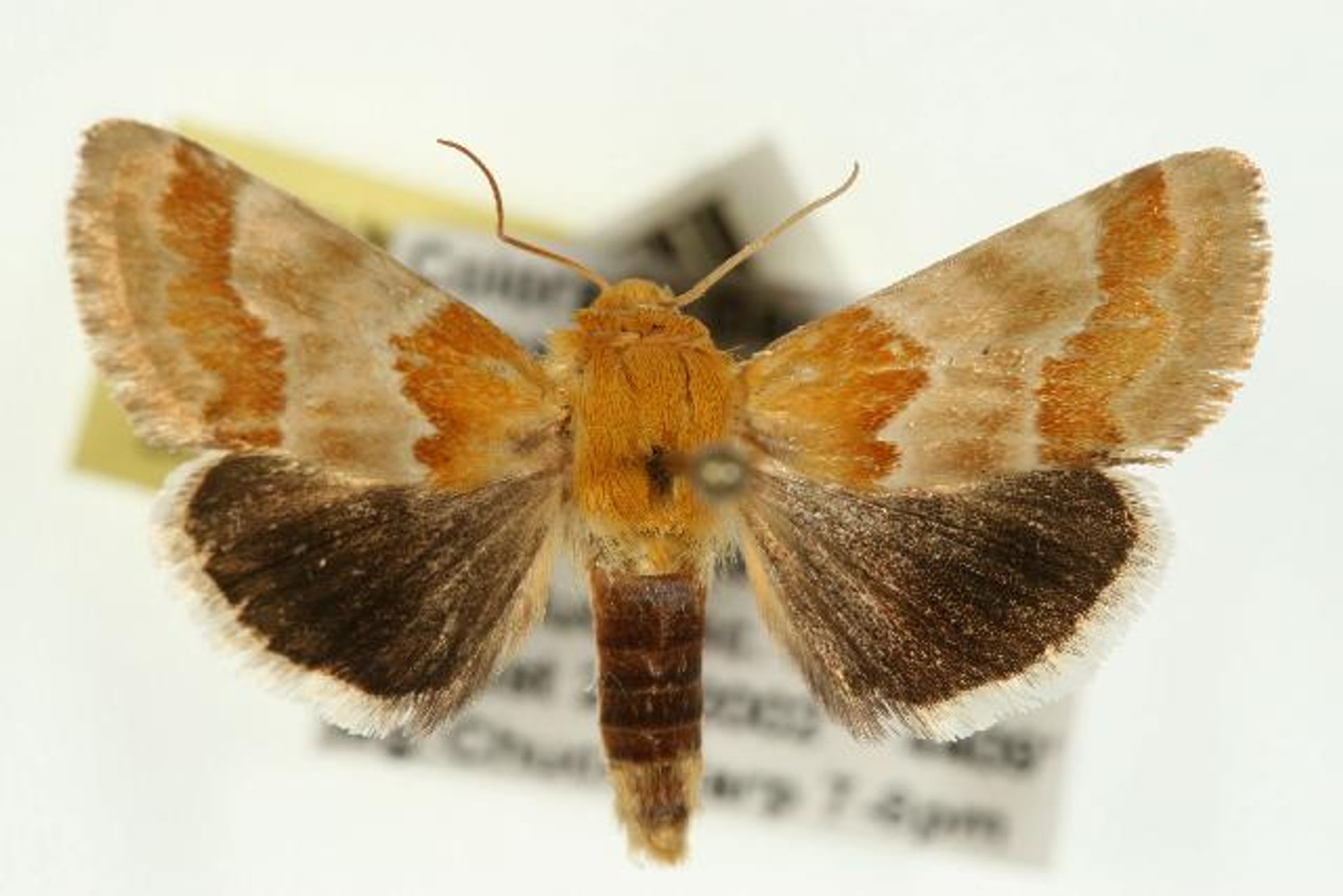
Small with wingspan approximately 22 mm. Specific coloration and pattern details are not documented in available sources. Like other members of Schinia, adults likely exhibit coloration adapted for camouflage on plant flowers.
Habitat
Grassland and prairie . Associated with supporting the larval plant Verbesina encelioides, which occurs in dry, open areas including roadsides, fields, and disturbed sites.
Distribution
Central and southwestern United States. Documented from Arizona, Colorado, Kansas, Nebraska, New Mexico, Oklahoma, South Carolina, and Texas.
Diet
Larvae feed exclusively on Verbesina encelioides (Asteraceae). feeding habits are not documented.
Host Associations
- Verbesina encelioides - larval feeder; larvae consume flowers and seed pods
Life Cycle
Complete with , larva, pupa, and stages. Larvae feed on flowers and later seed pods of plant, as is typical for the Schinia. Specific details regarding voltinism, site, and stage are not documented.
Behavior
are likely or , as is common in the Schinia. Many Schinia rest on plant flowers where their coloration provides camouflage. Specific behavioral observations for S. siren are not documented.
Ecological Role
Larval herbivore on Verbesina encelioides. Potential as . Serves as prey for . Specific ecological interactions are not documented.
Human Relevance
No documented economic or agricultural significance. Likely contributes to pollination of its plant and serves as a component of native prairie biodiversity.
Similar Taxa
- Other Schinia species Schinia contains over 120 North American , many with similar size and flower-associated . S. siren distinguished by plant specificity and geographic range, though precise diagnostic characters require knowledge.
More Details
Sources and further reading
- BugGuide
- Wikipedia
- GBIF taxonomy match
- iNaturalist taxon
- NCBI Taxonomy
- Catalogue of Life
- What a Wasp! | Bug Squad
- Take Your Sons and Daughters to Work! | Bug Squad
- Bug Eric: Wasp Wednesday: Not Wasp VIII
- Male Mosquitoes Lured to Traps by Sounds of Female Wing-beats
- Catch a Glimpse of Caterpillars During National Moth Week
- Bug Eric: White Prairie Clover: An Awesome Blossom