Schinia immaculata
Pogue, 2004
Schinia immaculata is a small noctuid to riparian along the Colorado River in the Grand Canyon, Arizona. First described in 2004, it is one of the more recently recognized in the diverse Schinia. fly in spring with a wingspan of approximately 20 mm. The larval plant remains unknown, though the species occurs in vegetation dominated by tamarisk, mesquite, acacia, and desert shrubs.
Pronunciation
How to pronounce Schinia immaculata: /ˈskiːniə ˌɪməˈkjʊləteɪ/
These audio files are automatically generated. While they are not always 100% accurate, they are a good starting point.
Identification
The can be distinguished from other Schinia by its relatively plain, unmarked forewings and its highly restricted geographic range in the Grand Canyon. The spring period (April–May) and riparian further aid identification. Confirmation may require comparison with or expert consultation, as visual identification from similar small noctuids can be challenging.
Images
Appearance
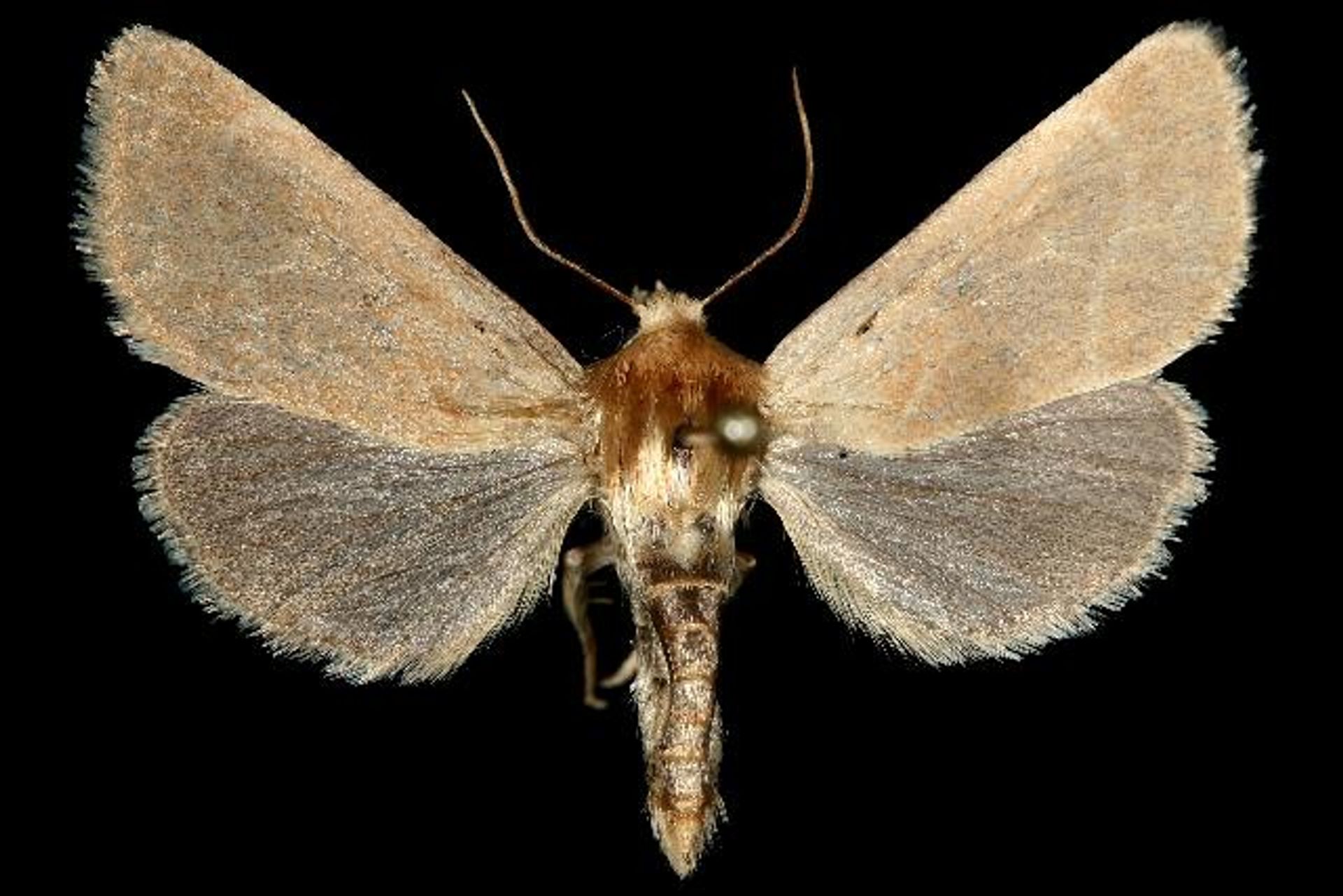
have a wingspan of approximately 20 mm. As the specific epithet suggests, the forewings are notably unmarked or '' compared to many in the Schinia, which often display bold patterns. Detailed descriptions of wing coloration and body are not available in published sources.
Habitat
Restricted to riparian along the Colorado River in the Grand Canyon. The vegetation in these areas is dominated by tamarisk (Tamarix), mesquite (Prosopis), acacia (Acacia), and various desert shrubs.
Distribution
to Coconino County, Arizona, specifically the area surrounding the Colorado River in the Grand Canyon. No other have been documented.
Seasonality
are on wing from April to May. The is with a single spring .
Ecological Role
are presumed to visit flowers for nectar, as is typical for the Schinia, though this has not been directly observed for this . The unknown larval plant and feeding habits preclude assessment of its role in the riparian .
Human Relevance
The has no documented economic or cultural significance. Its restricted range and specialized make it potentially vulnerable to changes in riparian vegetation and river management practices in the Grand Canyon.
Similar Taxa
- Other Schinia speciesMany share similar size and general , but most have patterned or marked forewings; S. immaculata is distinguished by its relatively plain wings and unique Grand Canyon riparian .
More Details
Taxonomic history
Described by Michael G. Pogue in 2004 based on specimens from the Grand Canyon, making it one of the more recently described in this large North American .
Conservation considerations
The extremely restricted range and dependence on riparian vegetation along a managed river system suggest potential vulnerability to alteration, (particularly tamarisk, which dominates the habitat but is itself non-native), and climate change effects on river flow regimes.
Sources and further reading
- BugGuide
- Wikipedia
- GBIF taxonomy match
- iNaturalist taxon
- NCBI Taxonomy
- Catalogue of Life
- Bug Eric: Wasp Wednesday: Not Wasp VIII
- Catch a Glimpse of Caterpillars During National Moth Week
- A flower visiting jewel beetle that is not an Acmaeodera | Beetles In The Bush
- Sunset beetles | Beetles In The Bush
- Bug Eric: White Prairie Clover: An Awesome Blossom
- Bug Eric: Remembering National Moth Week 2018