Schinia hulstia
Tepper, 1883
Hulst's Flower Moth
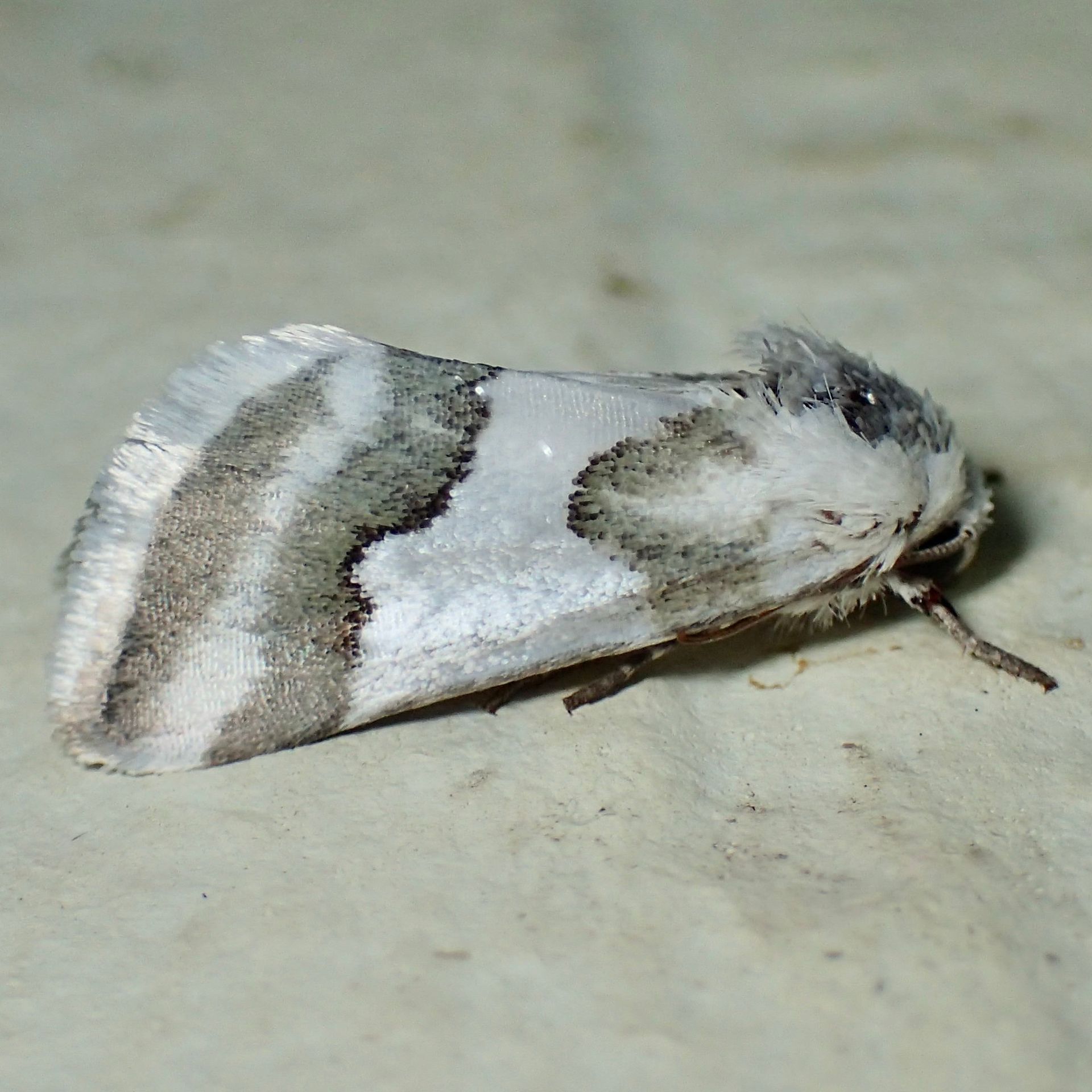
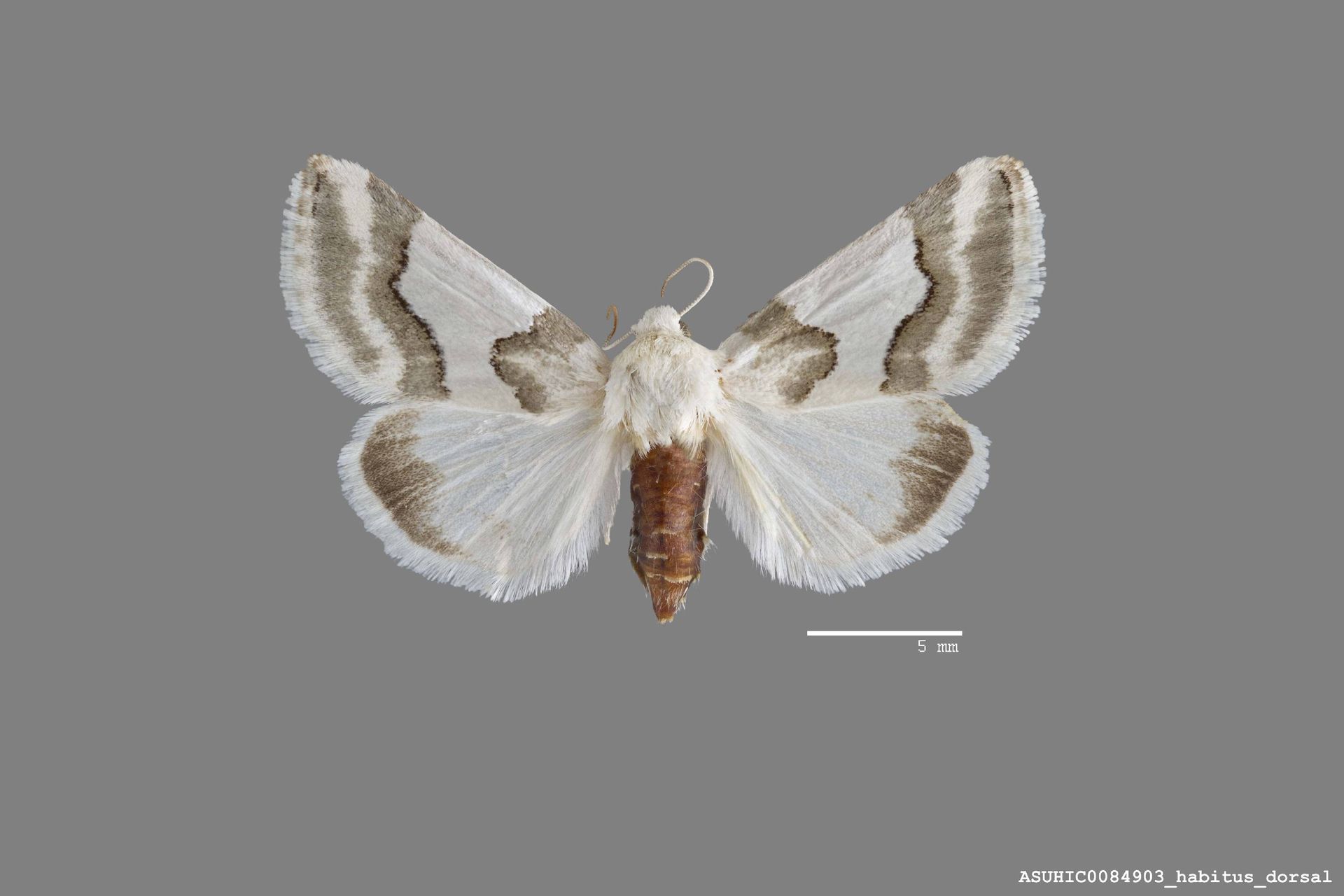
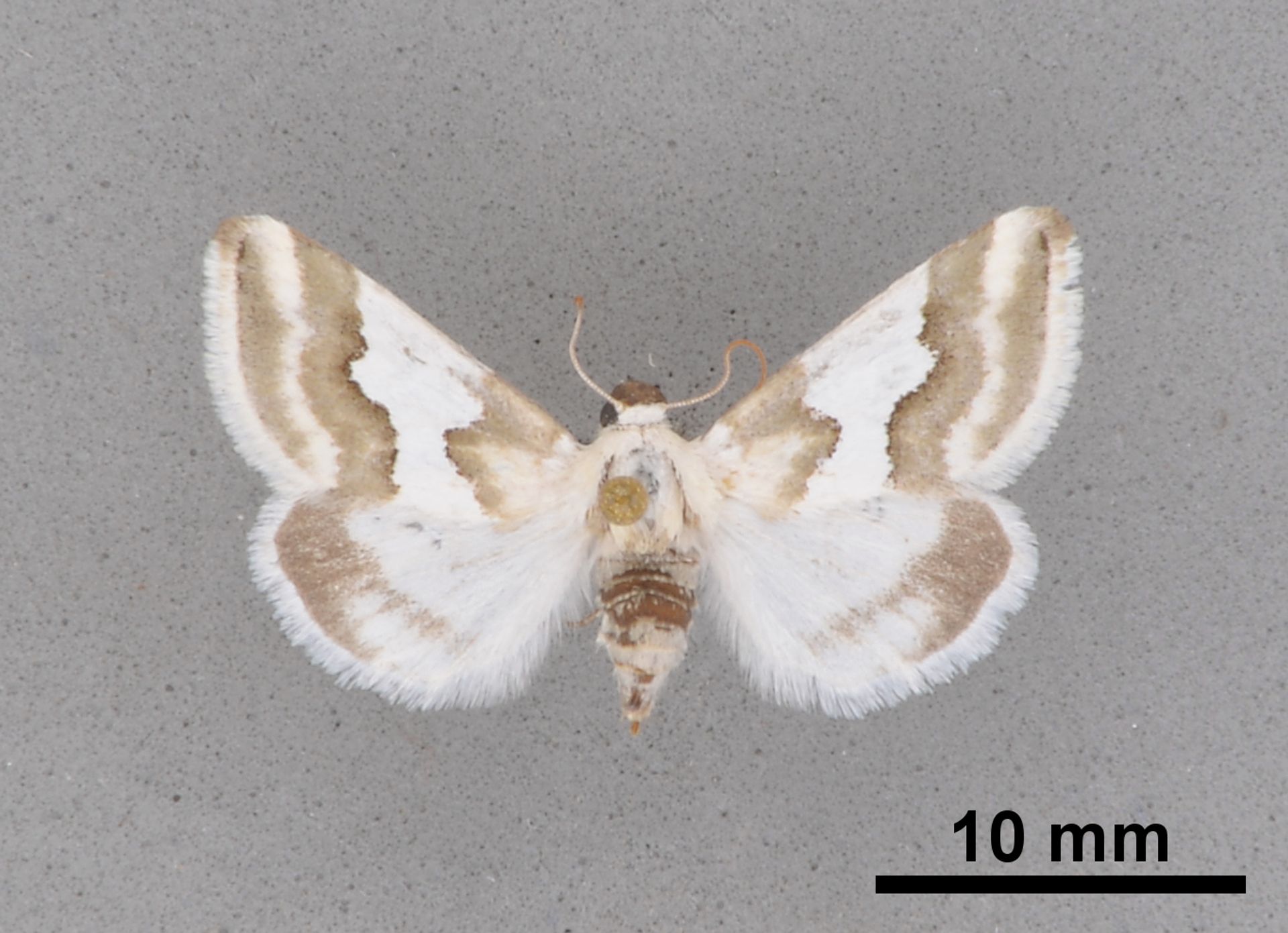
Hulst's Flower is a small noctuid moth described by Tepper in 1883. The was named in honor of George Duryea Hulst, an entomologist and authority on the Catocalinae. It is found across the Great Plains and adjacent regions of western North America, with a wingspan of approximately 24 mm.
Pronunciation
How to pronounce Schinia hulstia: //ˈskɪniə ˈhʌlstiə//
These audio files are automatically generated. While they are not always 100% accurate, they are a good starting point.
Identification
Distinguished from other Schinia by geographic range and association with specific plants. The Schinia contains over 120 North American species, many of which are visually similar and require careful examination of genitalia or host plant association for definitive identification. The specific epithet and documented distribution on the Great Plains help separate it from .
Images
Appearance
Small with wingspan of approximately 24 mm. As a member of the Schinia, it likely exhibits the colorful wing patterns characteristic of flower moths in this group, though specific pattern details are not documented in available sources.
Habitat
Great Plains grassland , including shortgrass and mixed-grass prairies. Associated with open, sunny environments where its plants grow.
Distribution
North America: Great Plains from North Dakota south to Texas, ranging eastward to Arkansas and westward to California. Core distribution centered in the central United States prairie region.
Ecological Role
Likely functions as a as an , given the documented of related Schinia visiting flowers for nectar. Larval stage presumably contributes to herbivory on plant flowers and seed pods.
Human Relevance
Named in honor of George Duryea Hulst, recognizing his contributions to entomology. The is of interest to lepidopterists and collectors, as indicated by anecdotal reports of collectors specifically seeking Schinia species.
Similar Taxa
- Schinia jaguarinaAnother Schinia found in similar Great Plains and active as during similar periods; both are flower-associated but differ in plant specificity and precise geographic range.
- Other Schinia speciesThe contains over 120 North American , many with similar size and general appearance; identification to species level often requires examination of genitalia or knowledge of plant association.
More Details
Etymology
The specific epithet hulstia was chosen by John Bernhardt Smith to honor George Duryea Hulst, described as 'a good entomologist and a well known authority on the Catocalinae.'
Collector interest
Members of the Schinia are popular with collectors, as evidenced by reports of lepidopterists traveling specifically to search for these .
Sources and further reading
- BugGuide
- Wikipedia
- GBIF taxonomy match
- iNaturalist taxon
- Catalogue of Life
- Bug Eric: Wasp Wednesday: Not Wasp VIII
- Catch a Glimpse of Caterpillars During National Moth Week
- Bug Eric: White Prairie Clover: An Awesome Blossom
- Bug Eric: Remembering National Moth Week 2018
- Bug Eric: October 2018
- 2013 Oklahoma Collecting Trip iReport | Beetles In The Bush