Schinia crenilinea
Smith, 1891
creniline flower moth
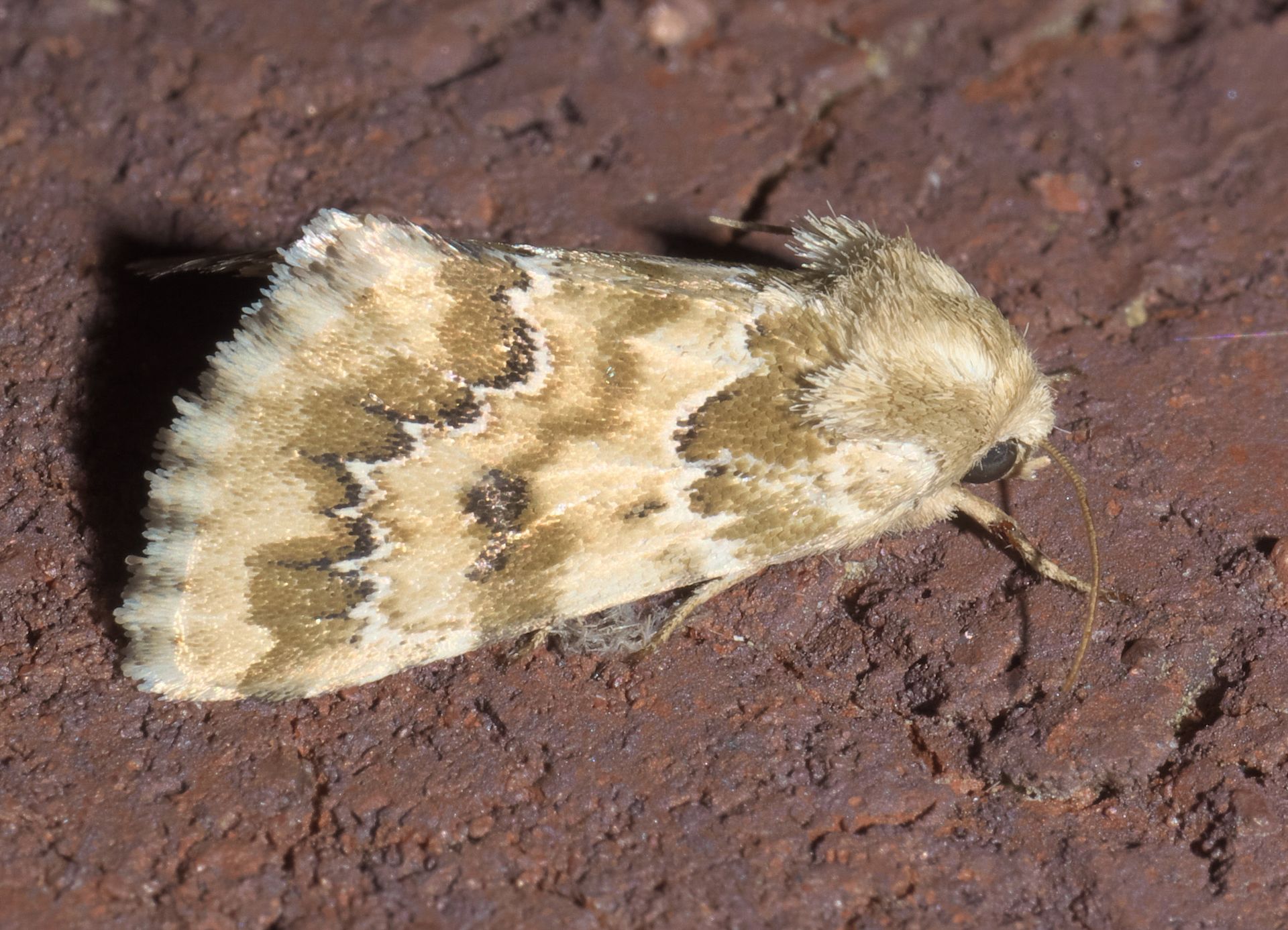
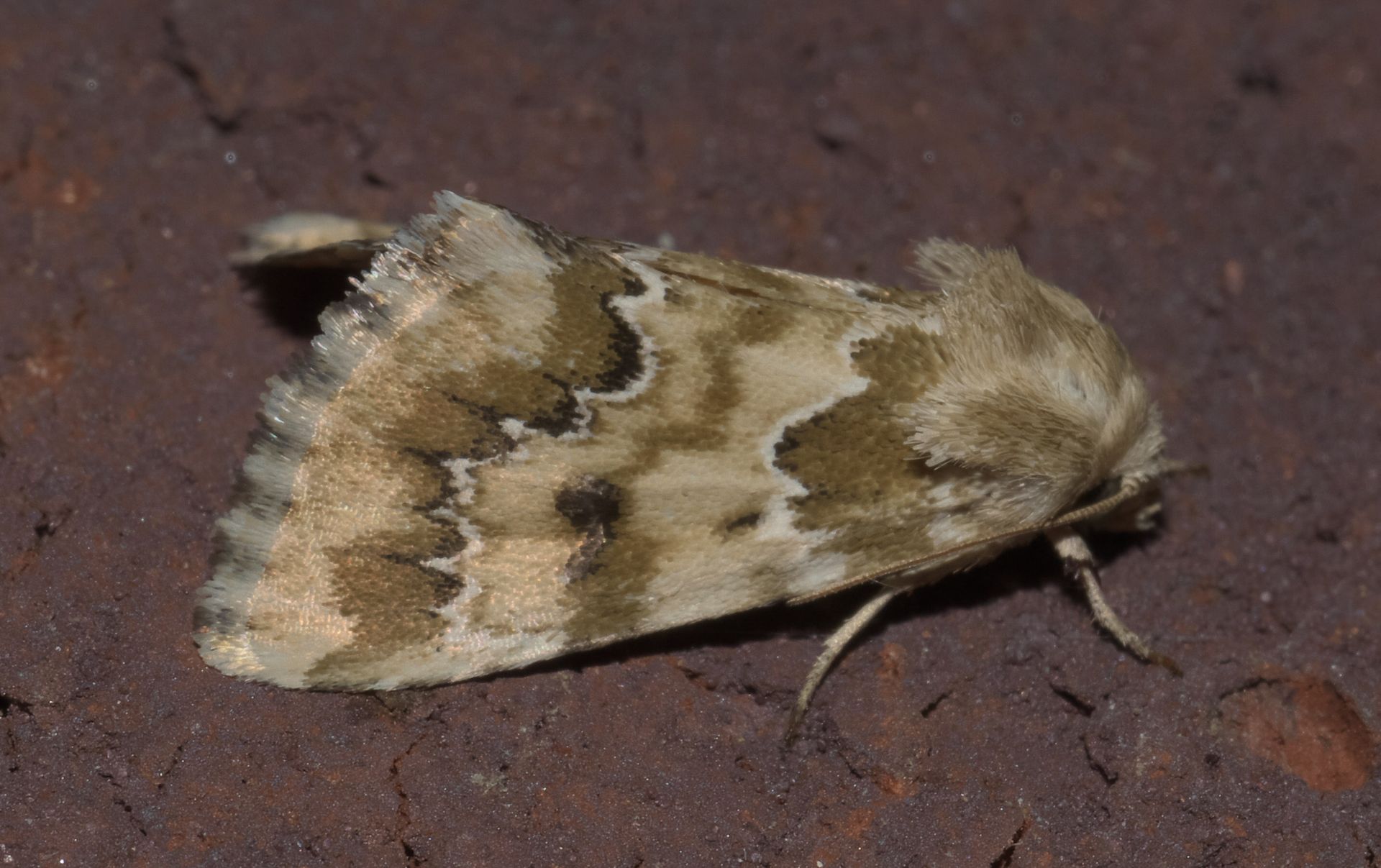
Schinia crenilinea, the creniline flower moth, is a small noctuid with a wingspan of approximately 24 mm. The is restricted to the south-central United States, occurring in Arkansas, Oklahoma, and Texas. are active during late spring and summer. Like other members of the Schinia, it is likely associated with specific plants for larval development, though detailed information remains limited.
Pronunciation
How to pronounce Schinia crenilinea: /ˈskiːniə ˌkrɛnɪˈlɪniə/
These audio files are automatically generated. While they are not always 100% accurate, they are a good starting point.
Identification
The can be distinguished from other Schinia by geographic range and, where documented, subtle differences in wing pattern. The specific epithet "crenilinea" likely refers to notched or scalloped wing lines. Definitive identification may require examination of genitalia or comparison with closely related species in the .
Images
Appearance
Wingspan approximately 24 mm. Specific coloration and pattern details are not well documented in available sources.
Habitat
Associated with open in the south-central United States. The specific plant requirements and preferred vegetation have not been documented in detail.
Distribution
to the south-central United States: Arkansas, Oklahoma, and Texas.
Seasonality
are on wing from late spring through summer.
Life Cycle
Complete with , larva, pupa, and stages. Larval plants and detailed developmental timing have not been documented.
Behavior
are and attracted to light. Like other Schinia , adults likely visit flowers for nectar.
Ecological Role
As a member of the flower moth Schinia, larvae likely feed on developing flowers and seed pods of specific plants, potentially influencing plant reproductive success. may contribute to pollination while feeding on nectar.
Human Relevance
Of interest to lepidopterists and enthusiasts. The Schinia is popular among collectors due to its colorful and association with distinctive flowers.
Similar Taxa
- Other Schinia speciesMany Schinia share similar size, general body plan, and flower-associated habits. Geographic range and subtle wing pattern differences are primary distinguishing features.
More Details
Genus characteristics
Members of the Schinia are commonly known as flower moths due to their association with specific plant flowers. Many are and rest on or near their host flowers, where their coloration provides camouflage. The genus contains over 100 species in North America, many with specialized host plant relationships.
Sources and further reading
- BugGuide
- Wikipedia
- GBIF taxonomy match
- iNaturalist taxon
- Catalogue of Life
- Bug Eric: Wasp Wednesday: Not Wasp VIII
- Catch a Glimpse of Caterpillars During National Moth Week
- Bug Eric: White Prairie Clover: An Awesome Blossom
- Bug Eric: Remembering National Moth Week 2018
- Bug Eric: October 2018
- 2013 Oklahoma Collecting Trip iReport | Beetles In The Bush