
Heliothodes
Hampson, 1908
Species Guides
1- Heliothodes diminutiva(Small Heliothodes Moth)
Heliothodes is a small of owlet moths in the Noctuidae, Heliothinae, containing two described : H. diminutivus and H. joaquin. The genus was established by Hampson in 1908. At least one species, Heliothodes diminutiva, is a herbivore of tarweed (Madia elegans) in California, where its caterpillars feed on developing flower buds and can completely sterilize plants.
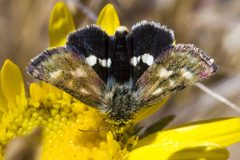
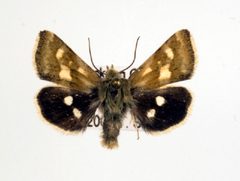
Pronunciation
How to pronounce Heliothodes: /ˌhiːliˈɒθoʊdiːz/
These audio files are automatically generated. While they are not always 100% accurate, they are a good starting point.
Images
Distribution
Western North America; Heliothodes diminutivus has been documented in California, specifically in the Stebbins Cold Canyon Reserve in Solano County.
Seasonality
activity and larval feeding occur during mid to late summer, approximately June through September, coinciding with the flowering period of its tarweed plant.
Diet
Larvae of Heliothodes diminutiva feed on the reproductive organs (developing flower buds) of tarweed (Madia elegans), an Asteraceae native to California. feeding habits are not documented.
Host Associations
- Madia elegans - larval plant herbivore; larvae feed on developing buds and flowers
Life Cycle
Females lay on developing buds of the plant. Emerging caterpillars feed on flowers and buds, with the potential to consume all reproductive structures. The complete duration and stage are not documented.
Behavior
Larvae are feeders on tarweed reproductive structures. The has been observed in association with sticky-haired plants that trap insect carrion, which indirectly benefits the by supporting that reduce herbivore damage.
Ecological Role
Heliothodes diminutiva serves as a lepidopteran herbivore in tarweed-dominated systems. Its presence influences plant and dynamics. The also functions as prey for a suite of including assassin bugs, stilt bugs, and spiders that navigate sticky plant surfaces.
Similar Taxa
- Other Heliothinae generaSimilar ; Heliothodes may be distinguished by specific genitalia characteristics and larval specialization on tarweed, though detailed diagnostic features require examination.
More Details
Research significance
Heliothodes diminutiva was the focal herbivore in a 2013 study by Krimmel and Pearse published in Letters, which demonstrated that sticky plants enhance indirect defense by trapping 'insect tourists' (carrion), thereby increasing densities and reducing herbivore damage. This research was featured in Nature's ecology section under 'When Plants Run the .'
Species note
The epithet appears as both 'diminutivus' (original combination) and 'diminutiva' in recent literature; the latter form is used in ecological studies from 2013 onward.