Callopistria floridensis
Guenée, 1852
Florida Fern Moth, Florida Fern Caterpillar
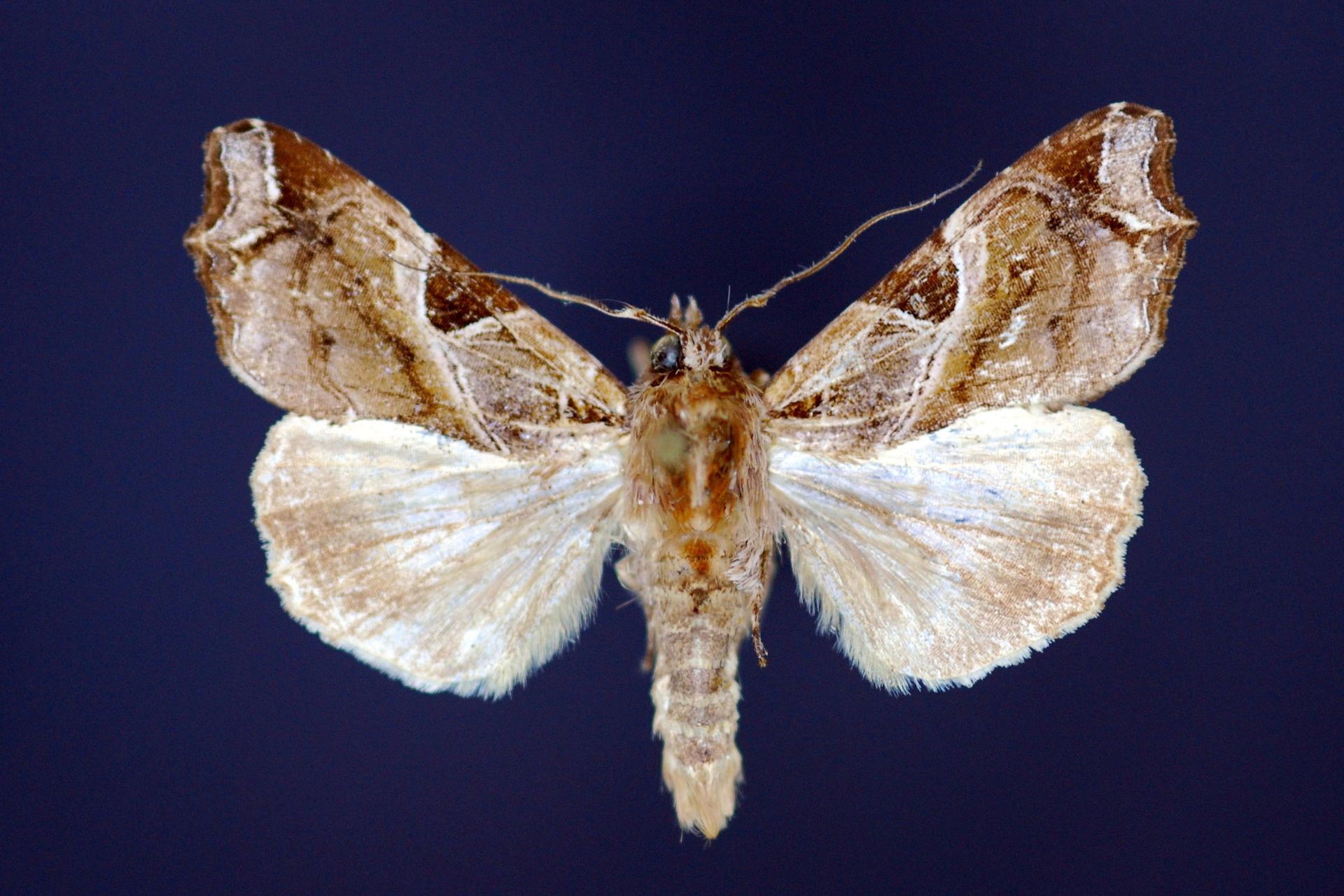
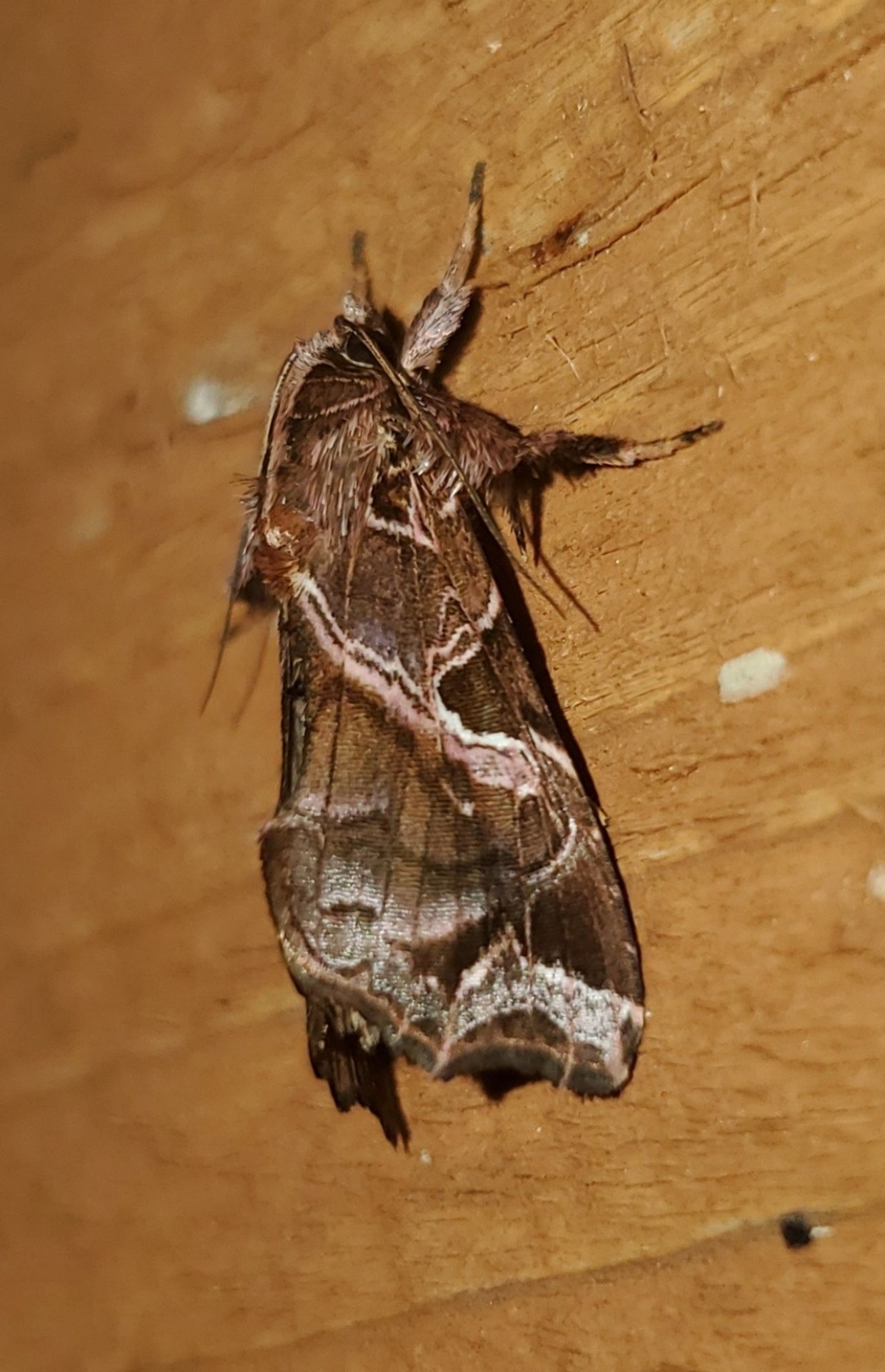
Callopistria floridensis, commonly known as the Florida Fern or Florida Fern Caterpillar, is a small noctuid moth with a wingspan of approximately 29 mm. The is notable for its year-round activity in tropical and subtropical regions, with larvae that feed exclusively on ferns. It has gained scientific attention as the only known terrestrial animal capable of accumulating high levels of arsenic when feeding on the brake fern Pteris vittata. While primarily a native species across the Americas, it occasionally becomes a pest in greenhouses.

Pronunciation
How to pronounce Callopistria floridensis: /ˌkæl.oʊˈpɪs.tri.ə flɔːrɪˈdɛn.sɪs/
These audio files are automatically generated. While they are not always 100% accurate, they are a good starting point.
Identification
The Florida Fern can be distinguished from similar Callopistria by its geographic distribution and association with fern . are small noctuids with a 29 mm wingspan. Definitive identification may require examination of genitalia or molecular analysis, as external morphological differences among congeneric species are often subtle.
Images
Appearance
have a wingspan of about 29 mm (1.1 in). The exhibits typical noctuid with scaled wings. Larval appearance is not described in available sources.
Habitat
Occurs in natural supporting fern , including tropical and subtropical forests, wetlands, and disturbed areas. In temperate regions, it is associated with greenhouses and indoor fern where it can establish persistent populations.
Distribution
Native to North America from southern Ontario and New Brunswick south to Florida, and west to California, New Mexico, Oklahoma, and Texas. Range extends south through the Caribbean (including Cuba), Mexico, and Central America (including Rica) to Ecuador. Introduced have been recorded in Belgium.
Seasonality
are on wing year-round in Florida and tropical regions. Activity patterns in temperate portions of the range are not specified in available sources but likely follow seasonal temperature constraints.
Diet
Larvae feed on various fern , including Nephrolepis exaltata (Boston fern) and Pteris vittata (brake fern). feeding habits are not documented.
Host Associations
- Nephrolepis exaltata - larval food plantBoston fern
- Pteris vittata - larval food plantBrake fern; enables arsenic bioaccumulation in larvae
Life Cycle
Complete with , larval, pupal, and stages. Larvae are fern-feeding caterpillars. Specific details of developmental timing, stage, and number of per year are not documented in available sources.
Behavior
are and attracted to light. In tropical regions, adult activity occurs continuously throughout the year. Larvae feed on fern foliage.
Ecological Role
Herbivore specializing on ferns. The unique ability of larvae to bioaccumulate arsenic from Pteris vittata represents a novel ecological interaction with potential implications for toxicology and bioremediation research.
Human Relevance
Occasional pest in greenhouses and indoor plant collections, particularly where ferns are cultivated. Scientific interest centers on its role as the only known terrestrial arsenic-accumulating animal, with potential applications in phytoremediation and toxicology research. Not known to be of economic importance in outdoor agriculture.
Similar Taxa
- Callopistria spp.Congeneric may overlap in distribution and share similar ; identification requires careful examination or genitalia dissection
More Details
Arsenic Bioaccumulation
Larvae feeding on Pteris vittata accumulate high levels of arsenic, making this the only known terrestrial animal with this capability. This trait has generated significant scientific interest regarding mechanisms of arsenic and potential biotechnological applications.
Nomenclatural History
Originally described as Eriopus floridensis Guenée, 1852, later transferred to Callopistria.