
Cydosiinae
Genus Guides
1Cydosiinae is a small of within Noctuidae, containing approximately 20 distributed primarily across the Indo-Pacific region. The group is characterized by distinctive wing patterns and structural features that set it apart from other noctuid subfamilies. Species in this subfamily are relatively poorly studied compared to more diverse noctuid groups, with limited published information on their and .

Pronunciation
How to pronounce Cydosiinae: /sɪˈdoʊsiˌaɪni/
These audio files are automatically generated. While they are not always 100% accurate, they are a good starting point.
Identification
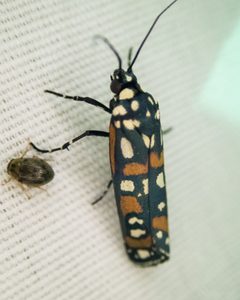
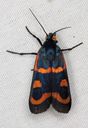
Cydosiinae can be distinguished from other Noctuidae by genitalic characters, particularly in the male valvae structure. Wing patterns often feature bold contrasting markings with somewhat triangular forewings. The subfamily lacks the prominent structure seen in some related groups. Accurate identification to level generally requires dissection and examination of genitalia.
Images
Distribution
Indo-Pacific region, with records from Southeast Asia, New Guinea, Australia, and Pacific islands. The highest occurs in New Guinea and adjacent regions.
Similar Taxa
- Erebidae (subfamilies)Some Cydosiinae were historically classified within Erebidae; genitalic and wing venation differences separate the groups
- Other Noctuidae subfamiliesShared -level characteristics; Cydosiinae distinguished by unique genitalic and wing pattern elements
More Details
Taxonomic history
Cydosiinae has undergone repeated taxonomic revision, with placement in Noctuidae versus Erebidae debated. Current consensus based on molecular and morphological data places the group within Noctuidae, though some classifications continue to treat it as Erebidae.
Research status
The remains taxonomically understudied, with several known from few specimens and substantial portions of the Indo-Pacific range unsurveyed for the group.