
Leuconycta diphteroides
(Guenée, 1852)
green leuconycta moth, green owlet
Leuconycta diphteroides is a small noctuid native to eastern and central North America. are active from late spring through summer and are recognized by their greenish coloration. Larvae feed on goldenrod and aster plants.
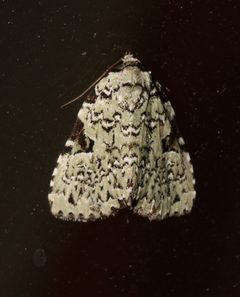
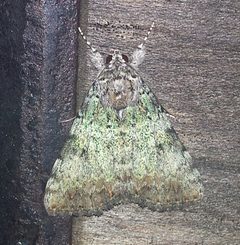
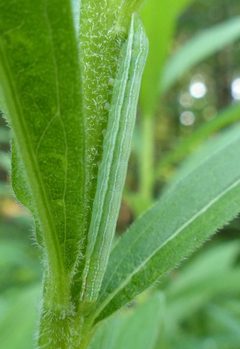
Pronunciation
How to pronounce Leuconycta diphteroides: /luːˈkɒnɪktə dɪˈfɛrəɔɪdz/
These audio files are automatically generated. While they are not always 100% accurate, they are a good starting point.
Identification
Small noctuid with greenish coloration; distinguished from similar by color and association with goldenrod and aster plants. Wingspan 27–32 mm falls within range of many small noctuids, requiring close examination for positive identification.
Images
Appearance
Wingspan 27–32 mm. Coloration includes greenish tones that contribute to its .
Habitat
Associated with supporting larval plants Solidago and Aster ; found in areas where goldenrod and aster grow.
Distribution
Eastern and central North America: Nova Scotia south to Florida, west to Texas, north to Saskatchewan. Records from Manitoba, Saskatchewan, Vermont, and throughout the eastern United States.
Seasonality
active May through September. Multiple likely given extended period.
Diet
Larvae feed on Solidago (goldenrod) and Aster .
Host Associations
- Solidago - larval food plantmultiple
- Aster - larval food plantmultiple
Life Cycle
Complete with larval stage feeding on plants. period May–September suggests stage not definitively established from sources.
Ecological Role
Larval herbivore on native plants; contributes to energy flow in plant-insect . role in pollination not documented.
Human Relevance
No documented economic or agricultural significance. Occasionally encountered by naturalists and enthusiasts.
Similar Taxa
- Other small greenish Noctuidaesimilar size and coloration; requires examination of genitalia or association for definitive identification
More Details
Taxonomic history
Originally described as Microcoelia diphteroides by Guenée in 1852; later transferred to Leuconycta.