
Alypiodes bimaculata
Herrich-Schäffer, 1853
Two-spotted Forester
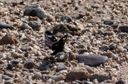
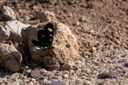
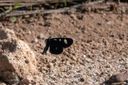
Alypiodes bimaculata, commonly known as the two-spotted forester, is a in the Noctuidae. Despite its , it bears more than two spots; the name refers specifically to the single small spot on each hindwing. The was first described by Herrich-Schäffer in 1853 and occurs in the southwestern United States and Mexico.
Pronunciation
How to pronounce Alypiodes bimaculata: /ˌælɪˈpaɪəˌdiːz baɪˌmækjʊˈleɪtə/
These audio files are automatically generated. While they are not always 100% accurate, they are a good starting point.
Identification
Look for blue dashes between white spots on the wings, rounded wing shape, and broad . Most notably, this is a day-flying , unlike the majority of noctuid moths which are . The single small spot on each hindwing (rather than the multiple spots on forewings and body) is the source of the "two-spotted" .
Images
Habitat
frequently visit flowers of Baccharis plants (Asteraceae) for nectar. Larvae feed on members of the Nyctaginaceae (four o'clock ).
Distribution
Highlands of northern and central Mexico (except Baja California), southwestern United States including Arizona, and western Texas.
Diet
take nectar from Baccharis flowers (Asteraceae). Caterpillars feed on plants in the Nyctaginaceae .
Host Associations
- Baccharis - nectar source frequently observed taking nectar from these Asteraceae plants
- Nyctaginaceae - larval Caterpillars feed on members of the four o'clock
Behavior
activity, unlike most noctuid which fly at night. are frequently observed visiting flowers for nectar.
Ecological Role
function as when visiting Baccharis flowers. Caterpillars serve as herbivores on Nyctaginaceae plants.
Human Relevance
Of minor interest to lepidopterists due to its habits and distinctive appearance. MONA/Hodges number 9312.
Similar Taxa
- Alypiodes groteiFormerly treated as a synonym (Agarista grotei), now recognized as distinct
- Alypiodes trimaculataFormerly treated as a synonym (Alypia trimaculata), now recognized as distinct
Misconceptions
The "two-spotted forester" is misleading, as the bears many more than two spots. The name refers only to the two small spots on the hindwings, not the overall spot pattern.
More Details
Etymology
The name Alypiodes derives from Greek elements suggesting "without pain" or "similar to something without distress." The epithet bimaculata comes from Latin bis ("two") and macula ("spot"), referring to the two spots on the hindwings.
Taxonomic History
First described as Agarista bimaculata by Herrich-Schäffer in 1853. Later transferred to Alypiodes. Has been confused with A. grotei and A. trimaculata in older literature.