
Alypiodes
Grote, 1883
forester moths
Species Guides
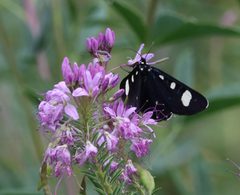
3- Alypiodes bimaculata(Two-spotted Forester)
- Alypiodes flavilinguis
- Alypiodes geronimo(Geronimo Forester)
Alypiodes is a of noctuid in the Agaristinae, commonly referred to as forester moths. The genus contains five described distributed in North America. Members are and often brightly colored, resembling butterflies in appearance. The genus was established by Augustus Radcliffe Grote in 1883.

Pronunciation
How to pronounce Alypiodes: /ˌæləˈpaɪədiːz/
These audio files are automatically generated. While they are not always 100% accurate, they are a good starting point.
Identification
Forester moths in this can be recognized by their activity and -like appearance, which distinguishes them from most Noctuidae. Specific identification to level relies on wing pattern details: A. bimaculata has two distinct spots on the forewing; A. radians displays radiating wing patterns; A. geronimo has been noted for its distinctive markings. Accurate species identification may require examination of genitalia or reference to geographic distribution.
Images
Habitat
in this occupy open including grasslands, prairies, and scrubland areas. They are associated with sunny, exposed environments that support their larval plants. Specific habitat preferences vary by species, with some occurring in arid southwestern regions and others in more mesic grasslands.
Distribution
The is restricted to North America. Individual range from the southwestern United States (Arizona, New Mexico, Texas) northward through the Great Plains and into southern Canada. A. bimaculata has the broadest distribution, while A. geronimo appears more restricted to the southwestern United States.
Seasonality
are active during daylight hours in spring and summer months, with peak activity varying by and latitude. Most species fly from April through August, with some southern appearing earlier in the year.
Life Cycle
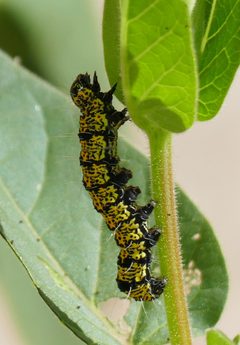
Complete with , larva, pupa, and stages. Larvae feed on herbaceous plants; specific plant records are sparse but include in Boraginaceae and other . occurs in soil or leaf litter.
Behavior
activity is the most notable behavioral trait, unusual for Noctuidae. visit flowers for nectar. They are fast, direct fliers often mistaken for butterflies. Males are presumed to seek females via visual and chemical cues, though specific mating are poorly documented.
Ecological Role
function as when visiting flowers. Larvae serve as herbivores, though their impact on plant is minimal given their localized occurrence. They provide food for insectivorous birds and other .
Human Relevance
Forester moths are of interest to lepidopterists and naturalists due to their habits and accessible observation. They have no significant economic impact as pests or beneficial . Some species are featured in regional field guides and biodiversity documentation efforts.
Similar Taxa
- AlypiaAlso called forester moths and placed in Agaristinae; Alypiodes was historically confused with this . Alypia generally have more complex wing patterns with additional spotting or banding, and different geographic distributions.
- AndrolomaAnother noctuid with similar -like appearance. Androloma typically show different wing shapes and more uniform dark coloration with contrasting bands rather than spots.
- Butterflies (Rhopalocera)Frequently mistaken due to activity and bright coloration. in Alypiodes have filamentous without clubs, and at rest hold wings flat or tent-like rather than vertically together.
More Details
Taxonomic History
Alypiodes was established by Grote in 1883 to accommodate previously placed in Alypia or other . The separation from Alypia has been supported by genitalic and molecular differences, though the two genera remain closely related within Agaristinae.
Etymology
The name Alypiodes derives from Alypia with the suffix -odes (resembling), reflecting its historical taxonomic proximity to that genus.