
Acronicta edolata
Grote, 1881
Acronicta edolata is a in the Noctuidae, first described by Grote in 1881. It belongs to the Acronicta, commonly known as dagger moths, which are characterized by distinctive dark dagger-shaped markings on their forewings. The species is known from limited records in North America, with confirmed occurrence in Arizona.
Pronunciation
How to pronounce Acronicta edolata: //ˌækrəˈnɪktə ˌɛdəˈleɪtə//
These audio files are automatically generated. While they are not always 100% accurate, they are a good starting point.
Identification
Acronicta edolata can be distinguished from other Acronicta by examination of genitalic structures and specific wing pattern details. As with many Acronicta species, accurate identification often requires reference to original descriptions and comparison with . The Acronicta is characterized by forewings with dark, dagger-shaped stigmata, though species-level identification within the genus frequently relies on subtle differences in wing pattern, size, and male genitalia.
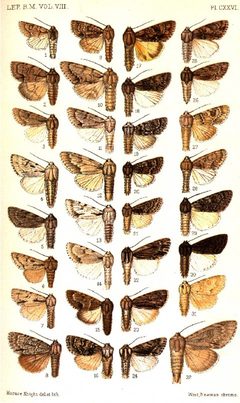
Images
Distribution
Known from North America, with records from Arizona. The full extent of its range remains poorly documented due to limited collection records.
Similar Taxa
- Acronicta americanaSimilar size and general appearance as a North American dagger , but differs in distribution and specific wing pattern details; A. americana is more widespread and better documented
- Acronicta radcliffeiAnother North American Acronicta with overlapping geographic potential; separation requires detailed examination of wing markings and genitalia
More Details
Taxonomic Note
The was originally described as Apatela edolata by Grote in 1881 before being transferred to the Acronicta. The genus Acronicta is part of the Acronictinae within Noctuidae.
Data Deficiency
Acronicta edolata is among the less documented in the , with only 14 observations recorded in iNaturalist as of the data cutoff. This limited record base reflects either genuine rarity, restricted distribution, or undercollection rather than absence.