Macrochilo litophora
Grote, 1873
Brown-lined Owlet, Angulate Fan-foot, Brown-lined Owlet Moth
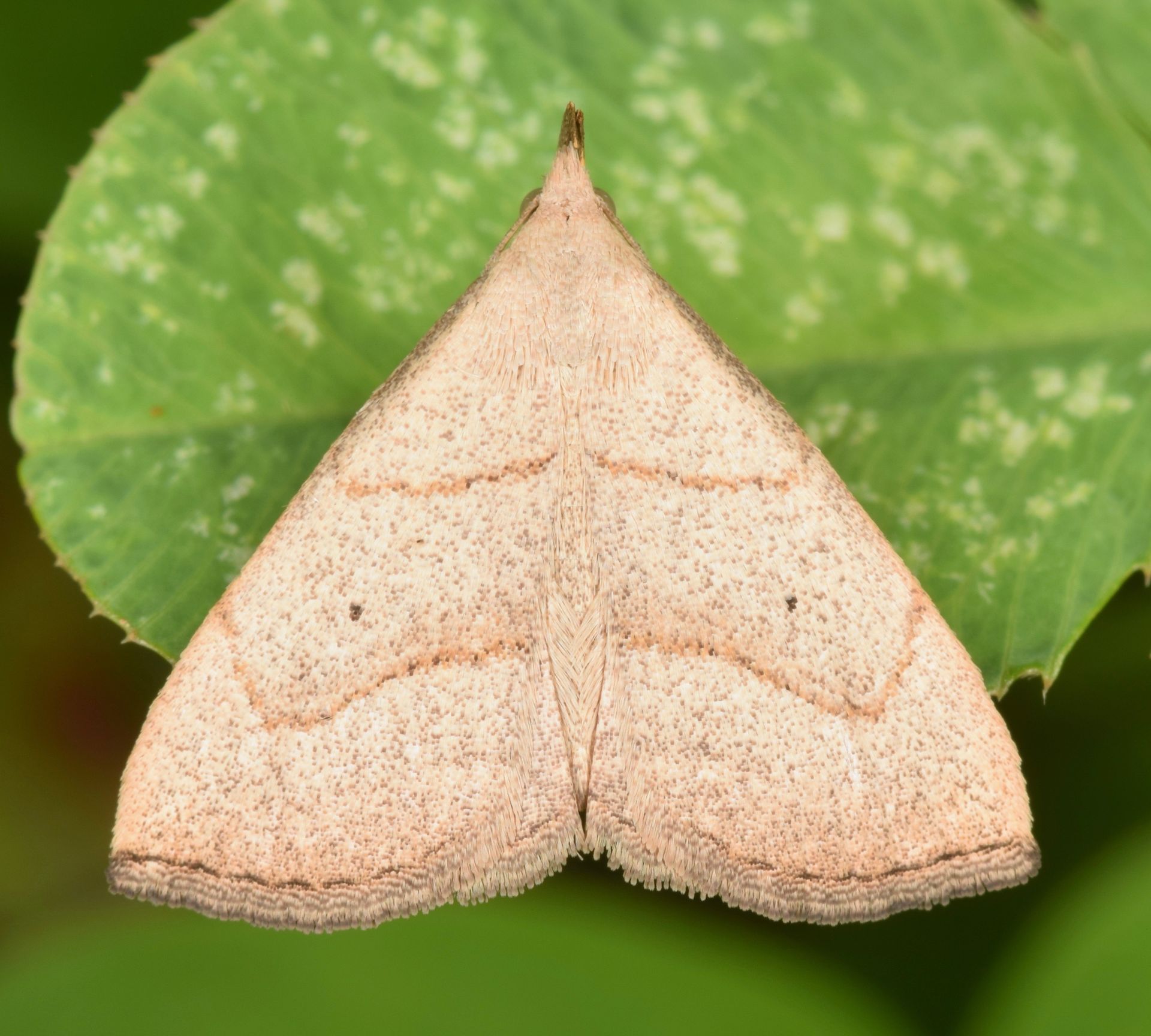
Macrochilo litophora is a small litter moth in the Herminiinae, first described by Augustus Radcliffe Grote in 1873. It occurs across the eastern and central United States. The exhibits regional variation in voltinism, with one annually in northern and two generations in parts of the Midwest. Larvae are , feeding on dead plant material.

Pronunciation
How to pronounce Macrochilo litophora: //ˌmækroʊˈkaɪloʊ ˌlaɪˈtɒfərə//
These audio files are automatically generated. While they are not always 100% accurate, they are a good starting point.
Identification
The combination of small size (~20 mm wingspan), brown-lined forewing pattern, and fan-shaped hindleg tibiae distinguishes this . Within the Macrochilo, identification to species level requires examination of genitalia or reference to regional distribution records.
Images
Appearance
A small with a wingspan of approximately 20 mm. The 'Brown-lined Owlet' refers to characteristic linear markings on the forewings. As a member of the 'fan-foot' group, the hindlegs bear expanded, -covered tibiae that give a flattened, fan-like appearance.
Habitat
Occupies terrestrial where leaf litter accumulates, including deciduous woodlands, grasslands, and disturbed areas with organic debris.
Distribution
Eastern and central United States: from Wisconsin eastward to Massachusetts, and southward through North Carolina, South Carolina, Mississippi, and Texas.
Seasonality
are active from spring through summer. One per year occurs in northern parts of the range; two generations per year have been documented in southern Ohio and Missouri.
Diet
Larvae feed on dead grasses, clover, and likely other decaying organic matter.
Life Cycle
Holometabolous development with , larval, pupal, and stages. Larval stage feeds on detritus. Voltinism varies geographically: in the north, in some mid-latitude .
Behavior
activity typical of the . Larvae are ground-dwelling .
Ecological Role
Contributes to nutrient cycling as a in larval stage. may serve as prey for .
Human Relevance
No significant economic or agricultural impact. Occasionally encountered by enthusiasts and in biodiversity surveys.
Similar Taxa
- Other Macrochilo speciesSimilar fan-foot and litter moth habits; require genitalia dissection or molecular analysis for definitive separation
- Other HerminiinaeShare general 'litter moth' appearance and detritivorous larvae; wing pattern and hindleg structure help distinguish M. litophora
More Details
Original description
First described as Litognatha litophora by Grote in 1873, later transferred to Macrochilo.