Zale obliqua
Guenée, 1852
oblique zale
Zale obliqua, the oblique zale, is a noctuid first described by Achille Guenée in 1852. The is associated with pine in eastern North America, with larvae feeding on pitch pine in northern and likely other pine species in southern populations. exhibit regional variation in timing, with activity beginning in late March in southeastern North Carolina and early summer in more northern latitudes.
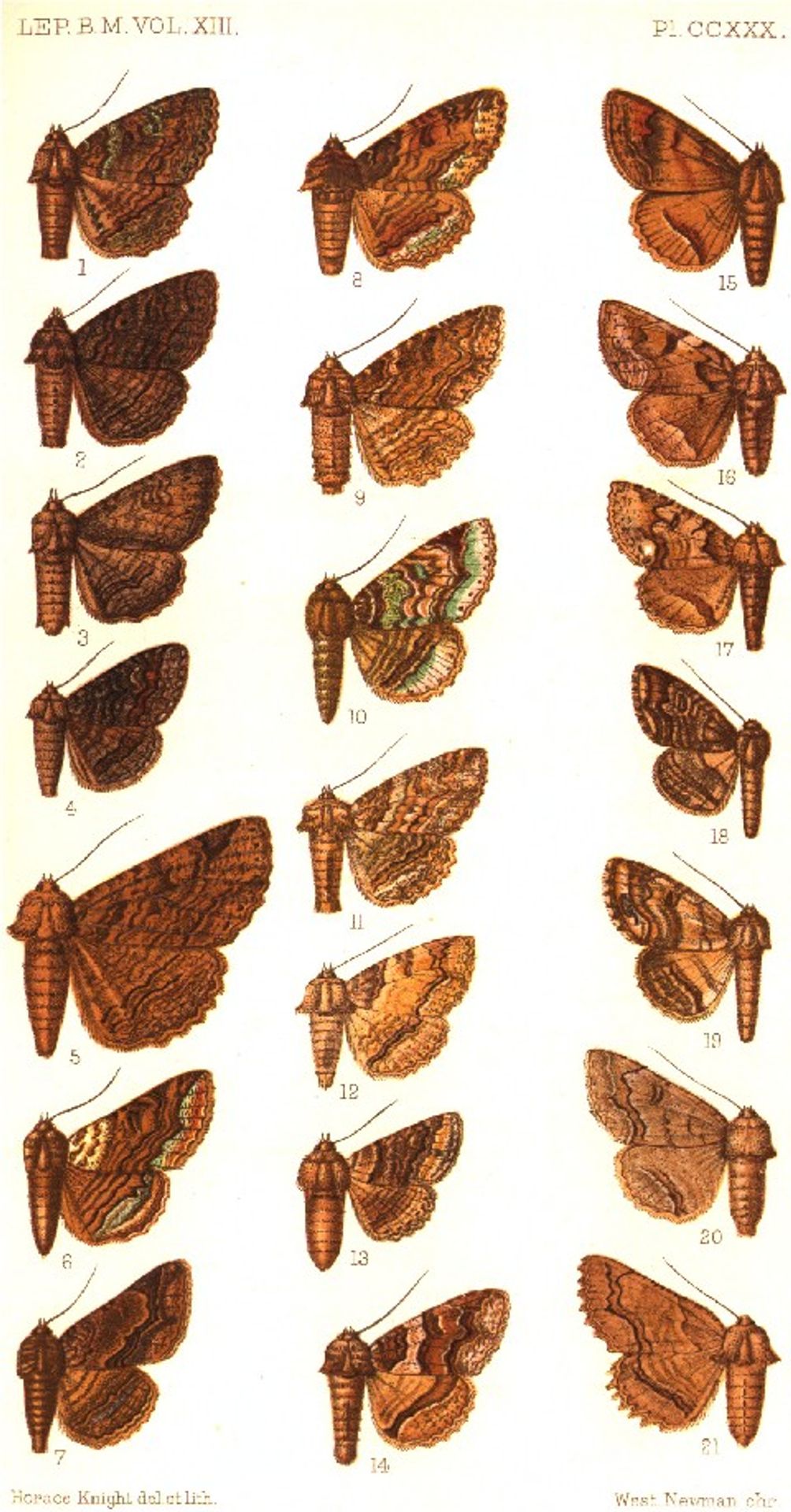
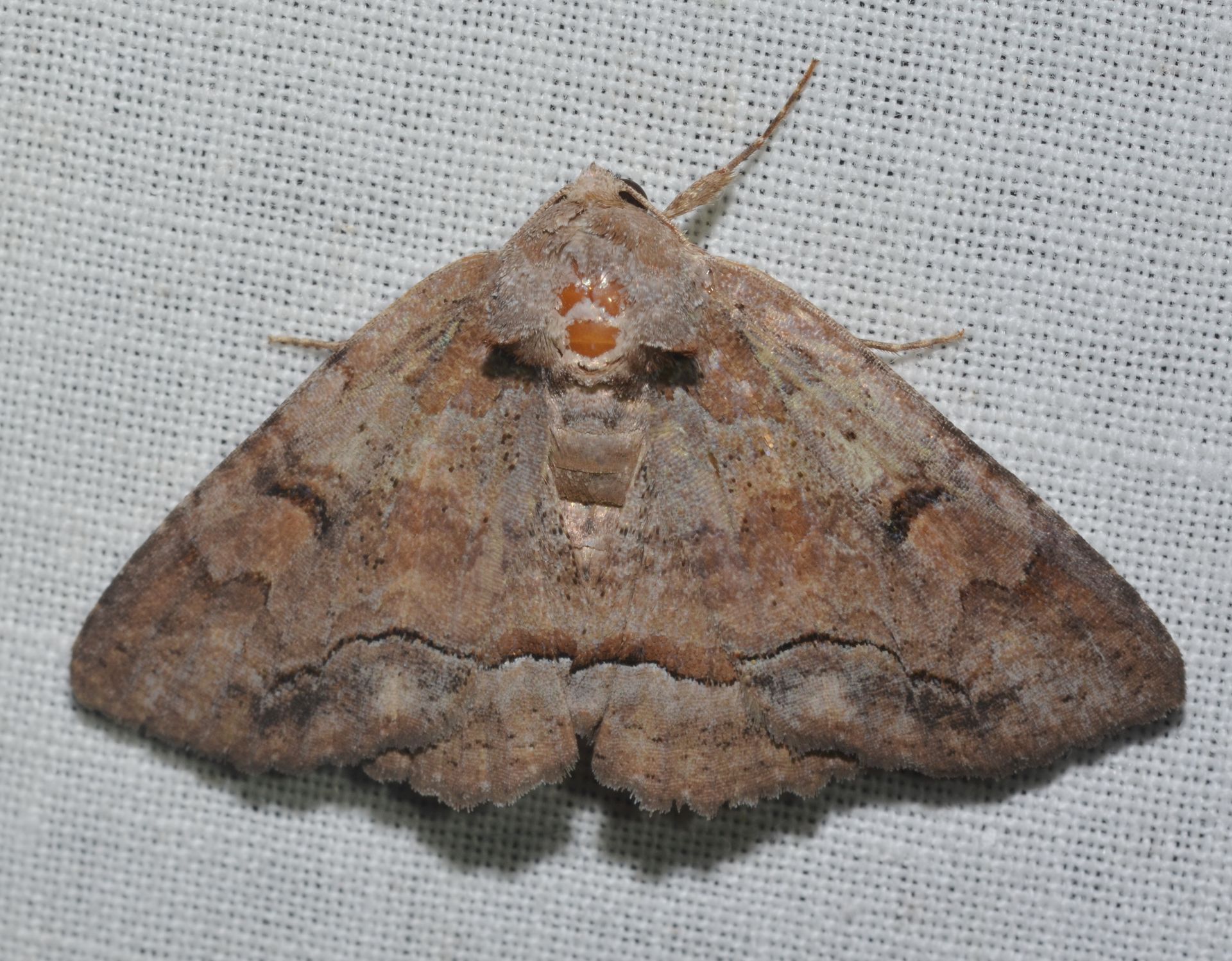
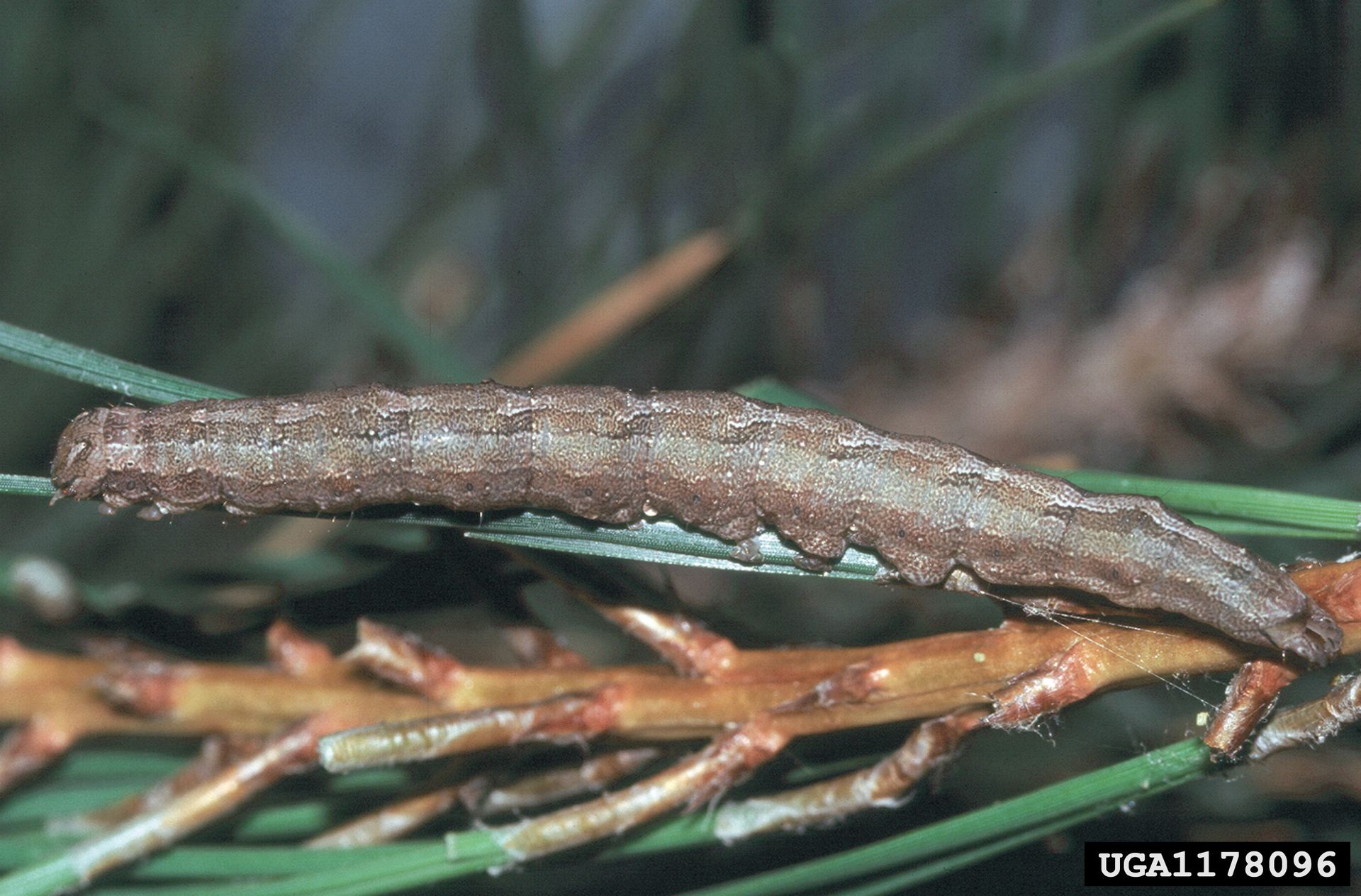
Pronunciation
How to pronounce Zale obliqua: /zeɪl ˈɒblɪkwə/
These audio files are automatically generated. While they are not always 100% accurate, they are a good starting point.
Identification
Distinguished from similar Zale by the absence of a bluish-gray forewing band and generally less contrasting wing pattern. The specific epithet 'obliqua' refers to the oblique pattern elements. Confirmation may require examination of genitalia or comparison with regional reference specimens.
Images
Appearance
Medium-sized with wingspan of 36–40 mm. Forewing pattern exhibits less contrast than related Zale and lacks the bluish-gray band present in some . Overall coloration relatively subdued.
Habitat
Barrens and pine woodlands. Associated with sandy, open dominated by pine .
Distribution
Eastern United States from Ohio to southern Maine, south to northern Florida, west to Mississippi and Texas.
Seasonality
active late March in southeastern North Carolina; early summer (approximately May–June) from New Jersey northward. One per year from New Jersey north; two generations from eastern Maryland to northeastern North Carolina southward.
Diet
Larvae feed on pitch pine (Pinus rigida) in northern range; likely loblolly pine (P. taeda), pond pine (P. serotina), and longleaf pine (P. palustris) in southern range.
Host Associations
- Pinus rigida - larval food plantnorthern
- Pinus taeda - probable larval food plantsouthern , inferred from
- Pinus serotina - probable larval food plantsouthern , inferred from
- Pinus palustris - probable larval food plantsouthern , inferred from
Life Cycle
Holometabolous development with one annually in northern portion of range and two generations in southern portion. Specific details of , larval, and pupal stages not documented in available sources.
Ecological Role
herbivore of pine ; contributes to nutrient cycling in pine barren and woodland . Larval feeding may influence pine foliage dynamics, though impact is likely minor given natural levels.
Human Relevance
No significant documented economic or medical importance. Occasionally encountered by naturalists and enthusiasts in appropriate .
Similar Taxa
More Details
Sources and further reading
- BugGuide
- Wikipedia
- GBIF taxonomy match
- iNaturalist taxon
- NCBI Taxonomy
- Catalogue of Life
- Outstanding PBS Deep Look Video: 'Why Do Sunflowers Face the Sunrise?' | Bug Squad
- Does Sneezeweed Make You Sneeze? | Bug Squad
- To Control Lekking Fruit Flies, Male Size Matters (Except When it Doesn't)
- Up Close and Personal With Venomous Moths
- Curvature values, a new aspect in the morphology of grapevine seeds | Blog
- Bug Eric: Sunflower Extravaganza