
Forsebia cinis
(Guenée, 1852)
Forsebia Moth
Pronunciation
How to pronounce Forsebia cinis: //fɔːrˈseɪ.bi.ə ˈsɪ.nɪs//
These audio files are automatically generated. While they are not always 100% accurate, they are a good starting point.
Identification
Distinguished from related Erebidae by the combination of: forewing length of 14–16 mm; occurrence in southwestern North American desert and semi-desert ; and larval association with woody legumes, particularly Parkinsonia. Specific wing pattern differences from are not documented in available sources.
Images
Appearance
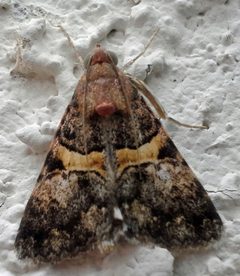
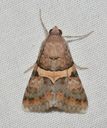
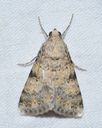
forewings measure 14–16 mm in length. Specific coloration and pattern details are not documented in available sources.
Habitat
Arid and semi-arid regions including desert scrub, thorn scrub, and dry washes where legumes occur.
Distribution
North America: recorded from southern California and southern Nevada eastward through western Texas to Oklahoma. GBIF records additionally indicate presence in Alberta, Manitoba, and Saskatchewan, Canada.
Seasonality
active from late February to October. Multivoltine with extended period spanning spring through autumn.
Diet
Larvae feed on various woody legumes, specifically including Parkinsonia . feeding habits are not documented.
Host Associations
- Parkinsonia - larval food plantwoody legume
Life Cycle
Complete with , larva, pupa, and stages. Larval stage feeds on woody legumes. Specific details of site and number of per year are not documented.
Ecological Role
Larval herbivore on woody legumes in desert . Specific role in nutrient cycling or position is not documented.
Human Relevance
No documented economic or agricultural significance. Occasionally observed by naturalists and enthusiasts.
Similar Taxa
- Melipotis jucundaForsebia cinis has been treated as a synonym of Melipotis jucunda in some taxonomic databases (GBIF), though currently recognized as valid in Forsebia by NCBI and other sources. Distinguishing characters between these require examination.
More Details
Taxonomic Note
The was originally described as Bolina cinis by Guenée in 1852. GBIF lists Forsebia cinis as a synonym of Melipotis jucunda, reflecting historical or alternative taxonomic treatments, while NCBI and iNaturalist maintain it in the Forsebia. The taxonomic relationship between Forsebia and Melipotis requires further clarification.