Catocala praeclara
Grote & Robinson, 1866
Praeclara Underwing, Praeclara Underwing Moth
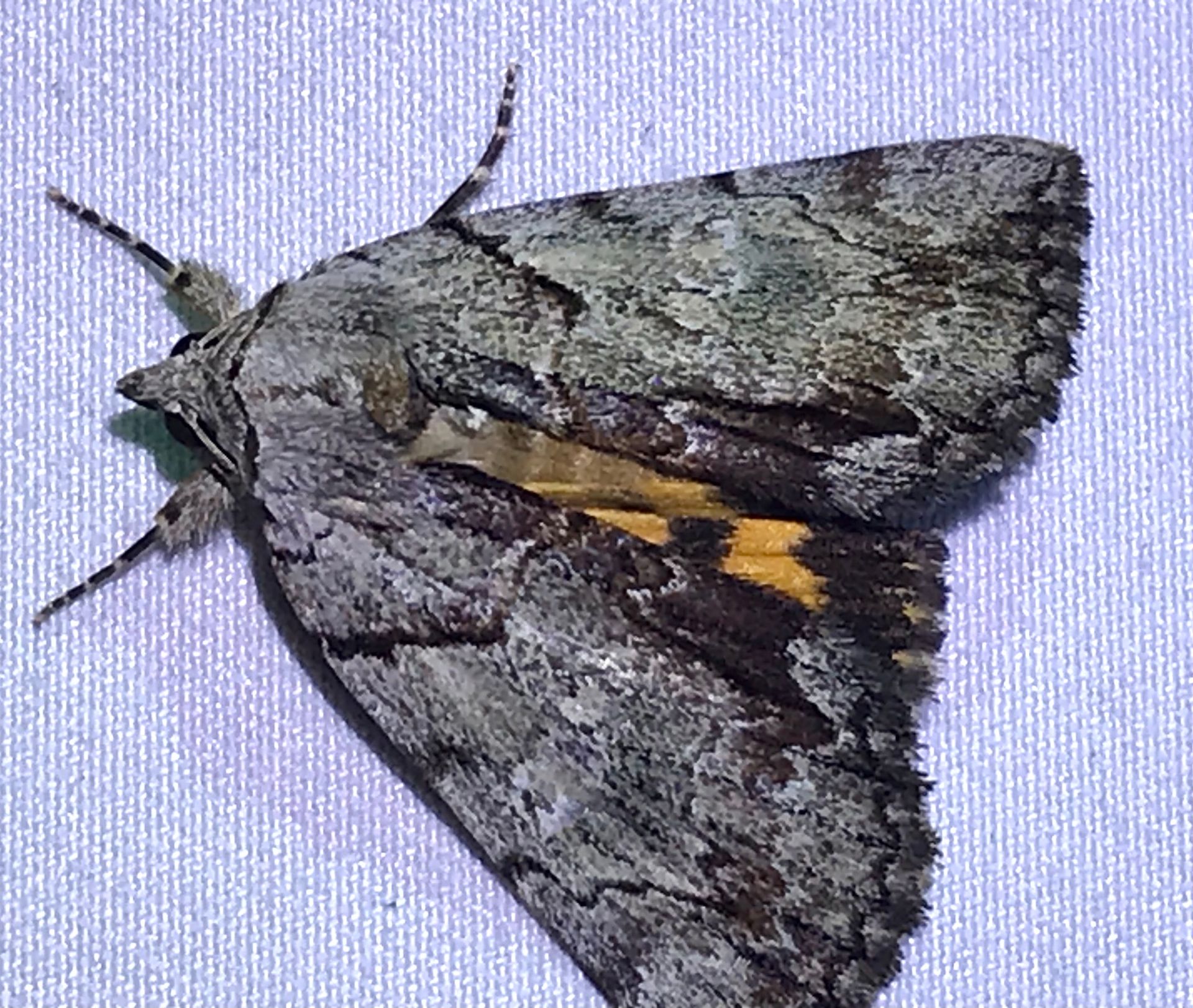
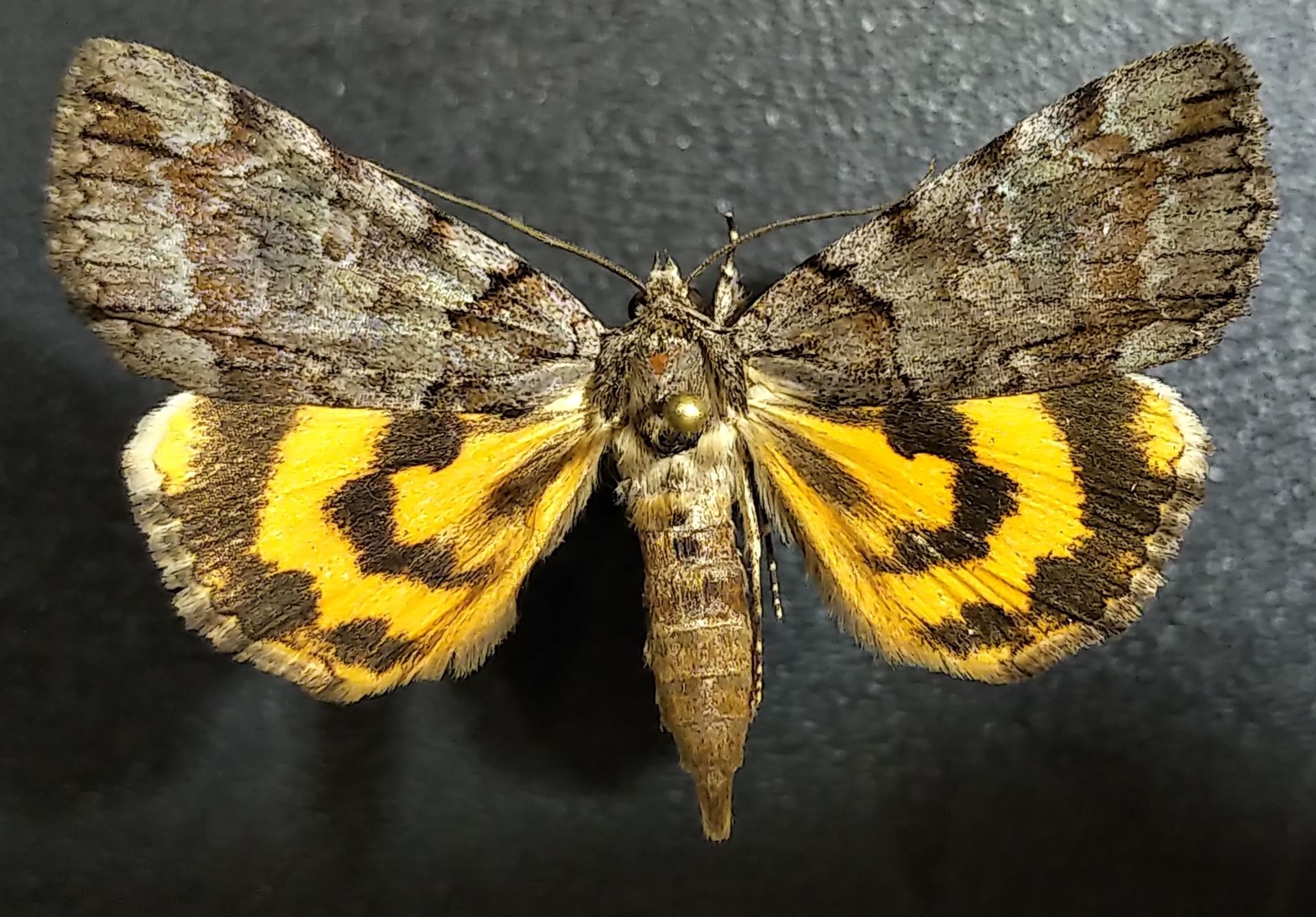
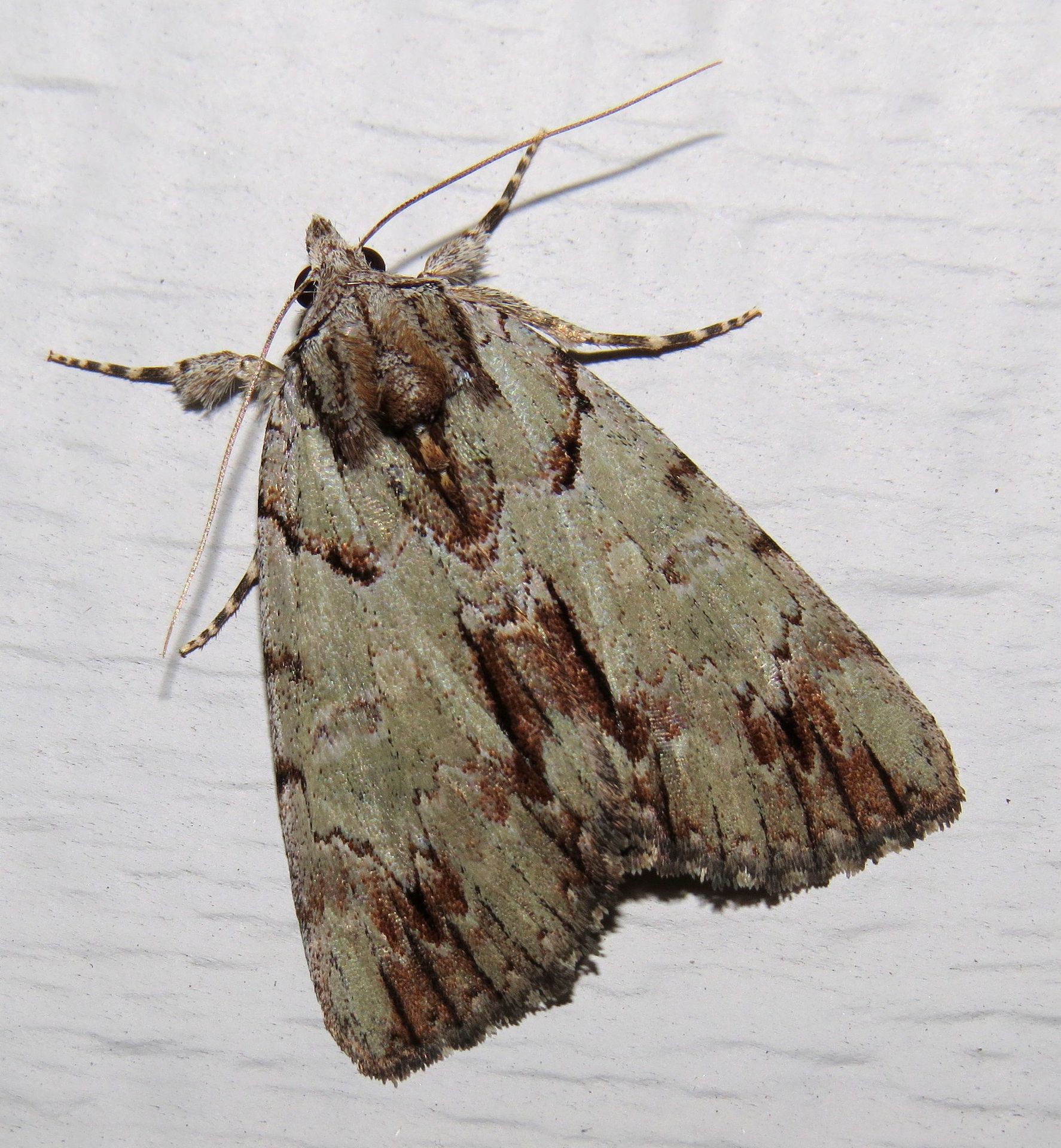
Catocala praeclara, commonly known as the Praeclara Underwing, is a in the Erebidae. The was described by Grote and Robinson in 1866. It is characterized by cryptic forewings that conceal brightly colored hindwings, a defensive trait common to underwing moths. are active in late summer, and larvae feed on specific woody plants in the rose family.
Pronunciation
How to pronounce Catocala praeclara: /ˌkætoʊˈkɑːlə priːˈklɑːrə/
These audio files are automatically generated. While they are not always 100% accurate, they are a good starting point.
Identification
Distinguished from other Catocala by specific forewing pattern and hindwing coloration; precise identification requires examination of genitalia or reference to regional keys. The species name 'praeclara' and association with larval plants in Amelanchier, Crataegus, and Photinia can aid identification within its range.
Images
Habitat
Associated with woodland and forest edge where plants (Amelanchier, Crataegus, Photinia) occur. Specific microhabitat preferences are not documented.
Distribution
North America: Nova Scotia west to southeastern Alberta, south to Florida and Kansas. Canadian provinces: Alberta, Manitoba, Saskatchewan. United States: Vermont and states throughout eastern and central regions.
Seasonality
on wing from August to September in one per year, varying by location.
Diet
Larvae feed on Amelanchier , Crataegus species (including Crataegus calpodendron), and Photinia species (including Photinia prunifolia and Photinia melanocarpa). feeding habits are not documented.
Host Associations
- Amelanchier - larval food plant
- Crataegus - larval food plantincluding Crataegus calpodendron
- Photinia - larval food plantincluding Photinia prunifolia and Photinia melanocarpa
Life Cycle
One per year. active August–September. Larval stage feeds on specified plants. details are not documented in available sources.
Behavior
are and attracted to light. Like other underwing moths, they exhibit a startle defense: when disturbed, they rapidly expose brightly colored hindwings to momentarily confuse before .
Ecological Role
Larvae function as herbivores on specific woody shrubs. may serve as prey for . Specific ecological interactions beyond larval herbivory are not documented.
Human Relevance
Subject of interest to lepidopterists and citizen scientists during observation events such as National Moth Week. No documented economic or agricultural significance.
Similar Taxa
- Other Catocala speciesShare the underwing with cryptic forewings and bright hindwings; require detailed examination of wing patterns or genitalia for separation.
More Details
Subspecies
Three recognized: Catocala praeclara praeclara (nominate), Catocala praeclara manitoba Beutenmüller, 1908, and Catocala praeclara charlottae Brou, 1988.
Sources and further reading
- BugGuide
- Wikipedia
- GBIF taxonomy match
- iNaturalist taxon
- NCBI Taxonomy
- Catalogue of Life
- A Gathering of Lepidopterists: Who's Who of the Butterfly, Moth Experts | Bug Squad
- Nectar Robbers and Thieves Are Harming Rare Orchids in North Dakota
- Got Moths? Celebrate National Moth Week and Global Citizen Science
- Bug Eric: National Moth Week Recap, 2015
- Bug Eric: National Moth Week Recap for Colorado Springs
- Bug Eric: National Moth Week 2024 Recap from Kansas City