Catocala grynea
(Cramer, 1780)
Woody Underwing
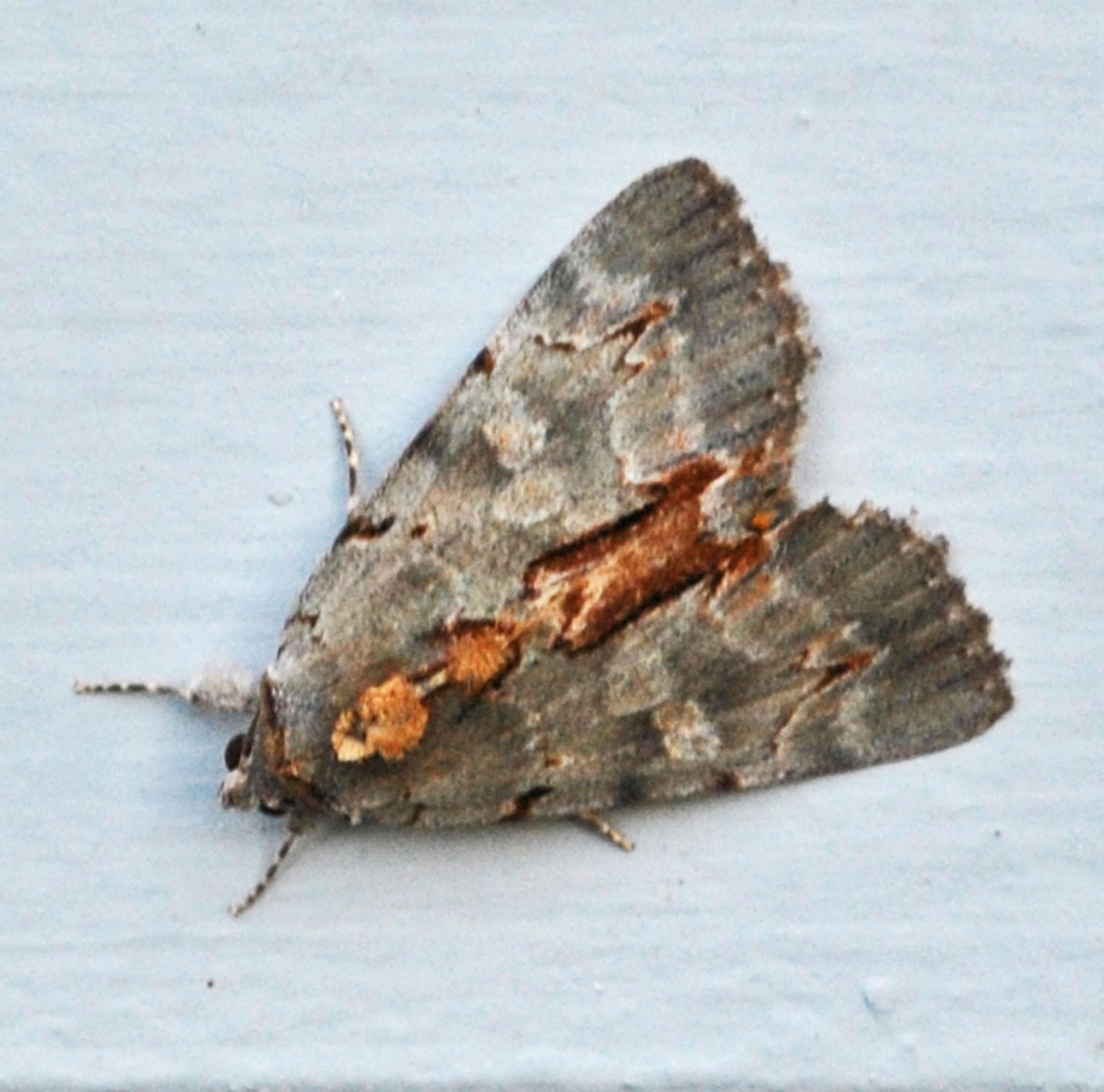
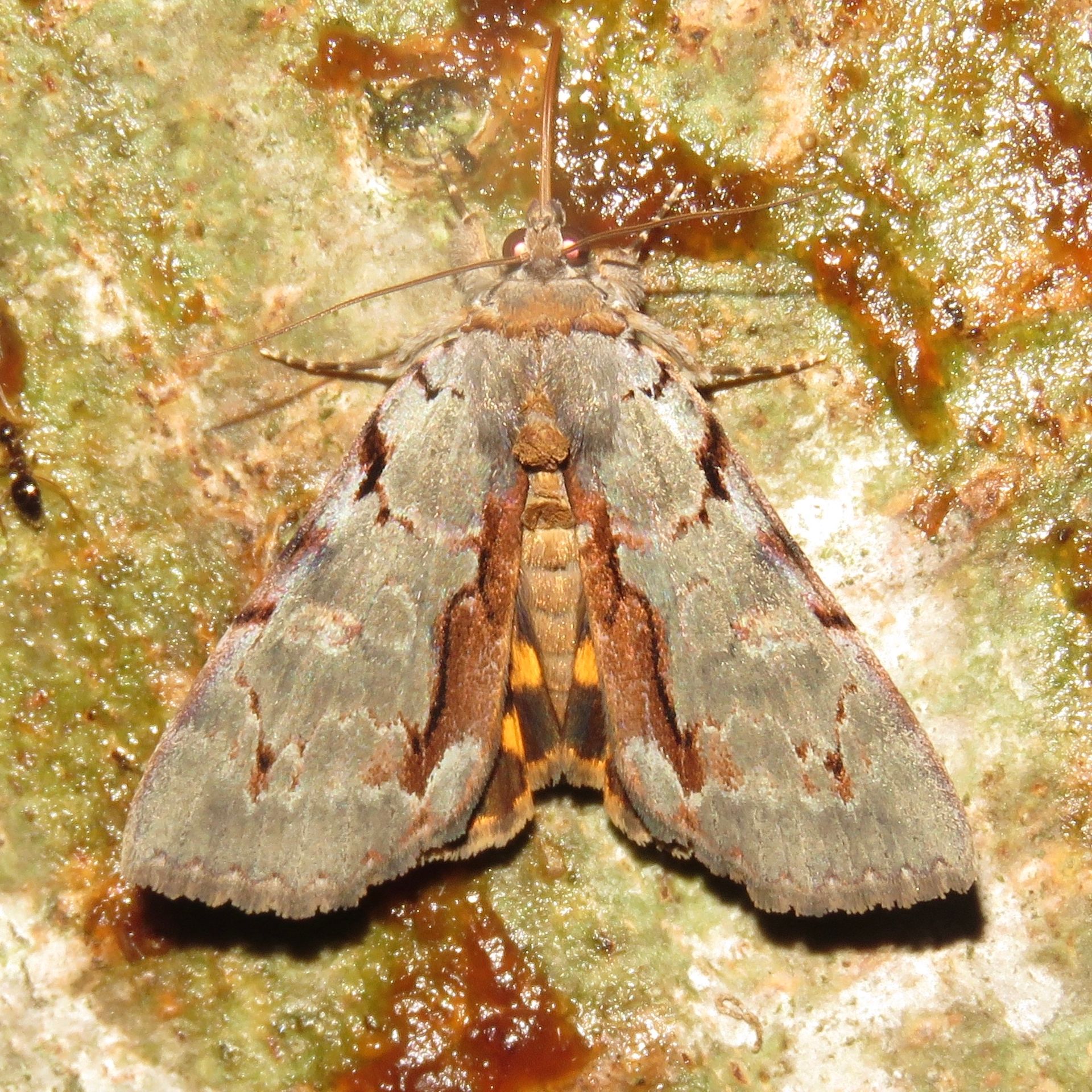
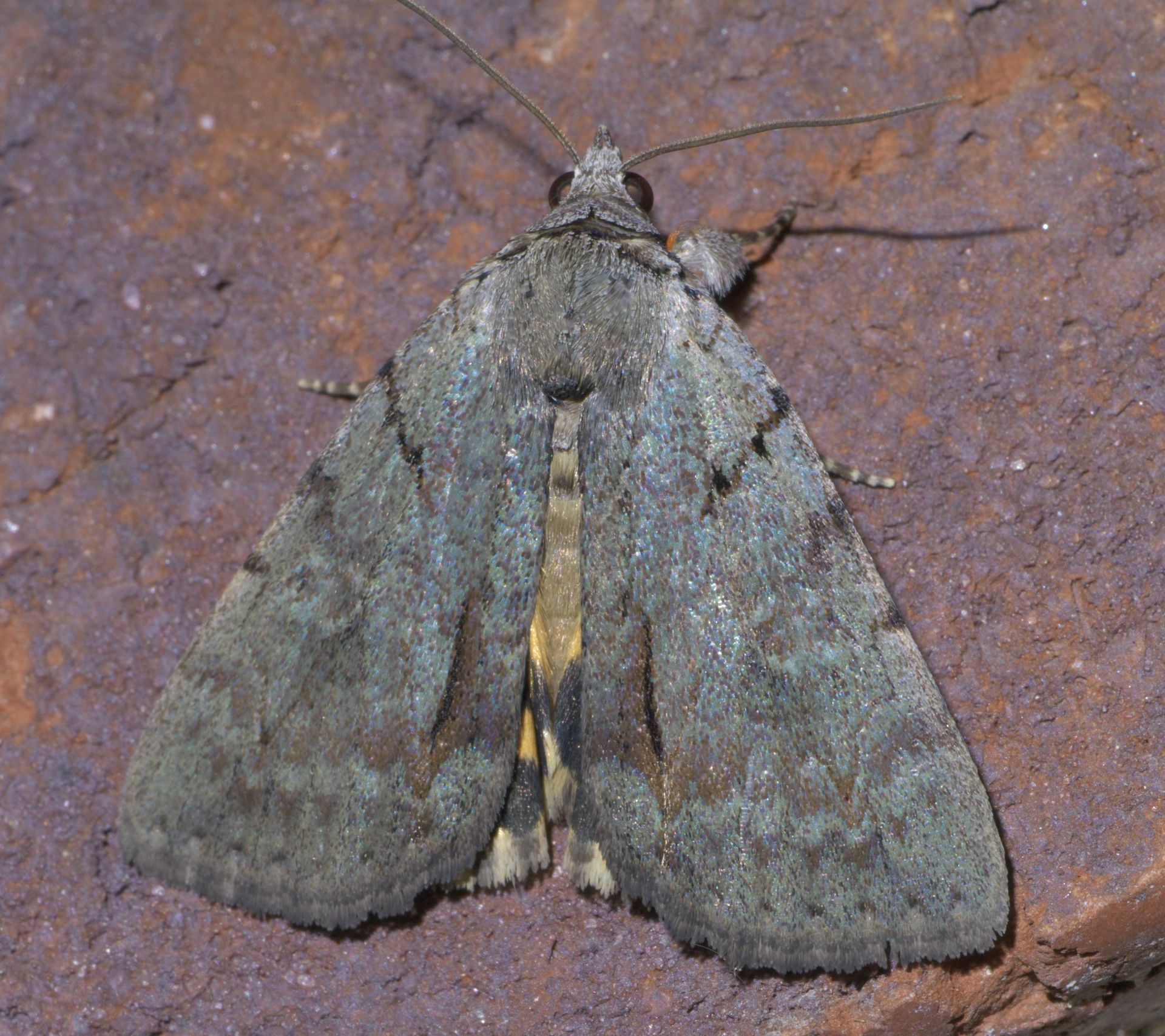
Catocala grynea, the Woody Underwing, is an underwing in the Erebidae. First described by Pieter Cramer in 1780, this is distributed across eastern and central North America from Ontario and Quebec south to Florida and west to Texas. are active from May to September, with likely one per year. The larvae feed on woody plants in the rose family.
Pronunciation
How to pronounce Catocala grynea: //ˌkætoʊˈkɑːlə ˈɡrɪniə//
These audio files are automatically generated. While they are not always 100% accurate, they are a good starting point.
Identification
As an underwing ( Catocala), C. grynea can be distinguished from other moth genera by its habit of holding forewings together over the back at rest, hiding the colorful hindwings beneath. -level identification within Catocala requires examination of hindwing pattern details, genitalia, or geographic context; specific diagnostic features separating C. grynea from are not provided in available sources.
Images
Appearance
have a wingspan of 40–50 mm. Forewings are dull-colored, providing camouflage when at rest. Hindwings display the bold, colorful patterning characteristic of underwing moths, though specific coloration details for this are not documented in available sources.
Habitat
Associated with containing plants of the rose , including hawthorns, cherries, plums, and apples. The occurs in wooded and semi-open environments across its broad geographic range.
Distribution
Eastern and central North America: from Ontario and Quebec through New England (Maine, Connecticut), south to Florida, west to Texas, and north through Iowa to Wisconsin and Minnesota.
Seasonality
are on wing from May to September, with timing varying by location. There is probably one per year.
Diet
Larvae feed on Crataegus (hawthorns), Prunus (cherries and plums), and Malus (apples). feeding habits are not documented.
Host Associations
- Crataegus - larval food planthawthorns
- Prunus - larval food plantcherries, plums
- Malus - larval food plantapples
Life Cycle
Probably (one per year). Larval stage feeds on woody plants. details and stage are not documented in available sources.
Behavior
Like other underwing moths, typically rest with forewings held together over the back, concealing the hindwings. This posture provides camouflage against tree bark. Specific behavioral observations for this are not documented.
Ecological Role
Larvae function as herbivores on woody plants in the rose . likely serve as prey for and may contribute to nutrient cycling as decomposers after death. Specific ecological role documentation is limited.
Similar Taxa
- Other Catocala speciesAll underwing moths share the characteristic of concealing colorful hindwings beneath dull forewings; -level identification requires detailed examination of pattern, genitalia, or geographic range.
More Details
Taxonomic history
Originally described as Phalaena grynea by Pieter Cramer in 1780, later transferred to the Catocala.
Sources and further reading
- BugGuide
- Wikipedia
- GBIF taxonomy match
- iNaturalist taxon
- NCBI Taxonomy
- Catalogue of Life
- A Gathering of Lepidopterists: Who's Who of the Butterfly, Moth Experts | Bug Squad
- Got Moths? Celebrate National Moth Week and Global Citizen Science
- Bug Eric: National Moth Week Recap, 2015
- Bug Eric: National Moth Week Recap for Colorado Springs
- Bug Eric: National Moth Week 2024 Recap from Kansas City
- Bug Eric: New Mexico Night Bugs