Gonodonta sinaldus
Guenée, 1852
moonseed fruitpiecer, moonseed fruitpiercer
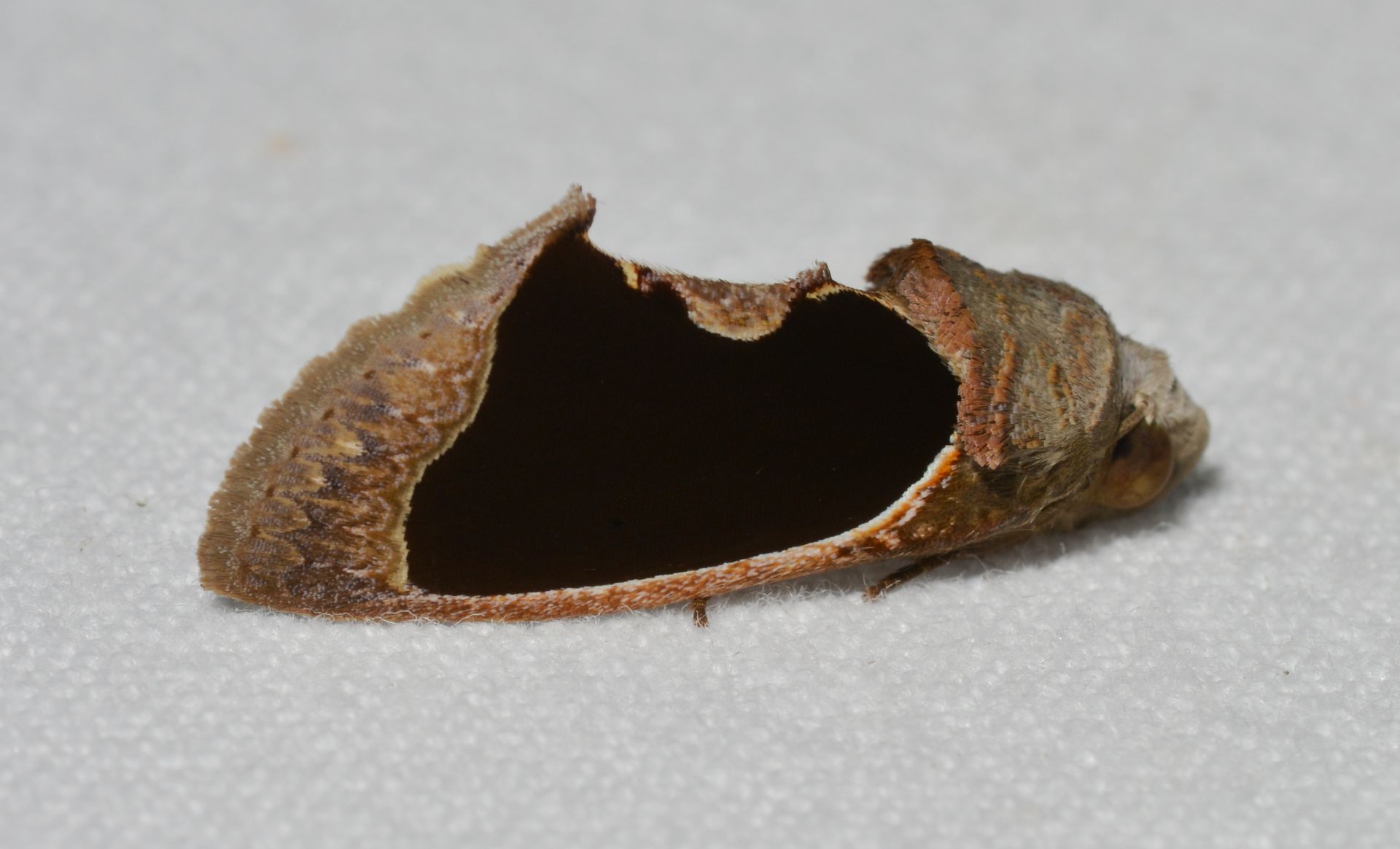
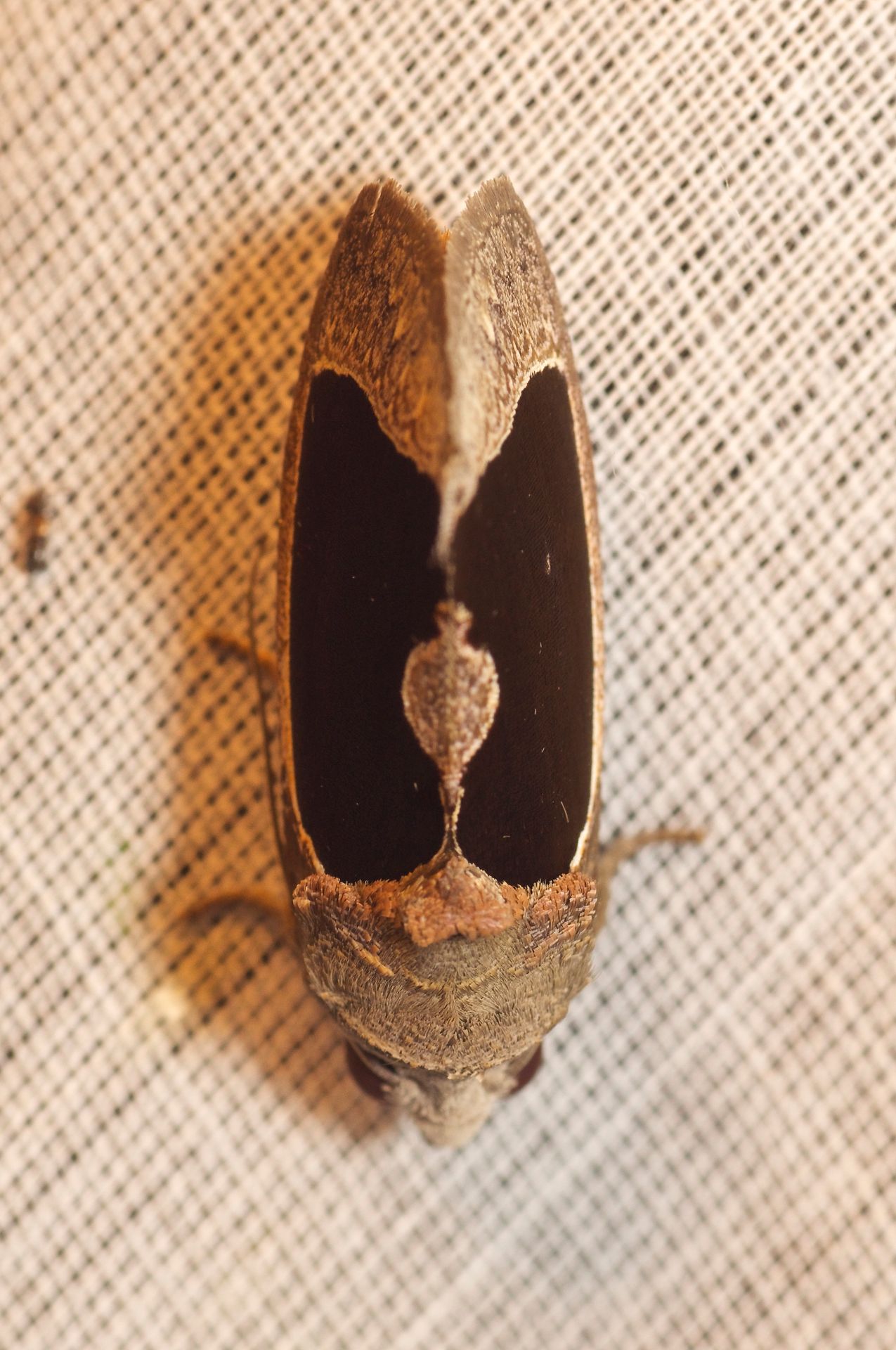
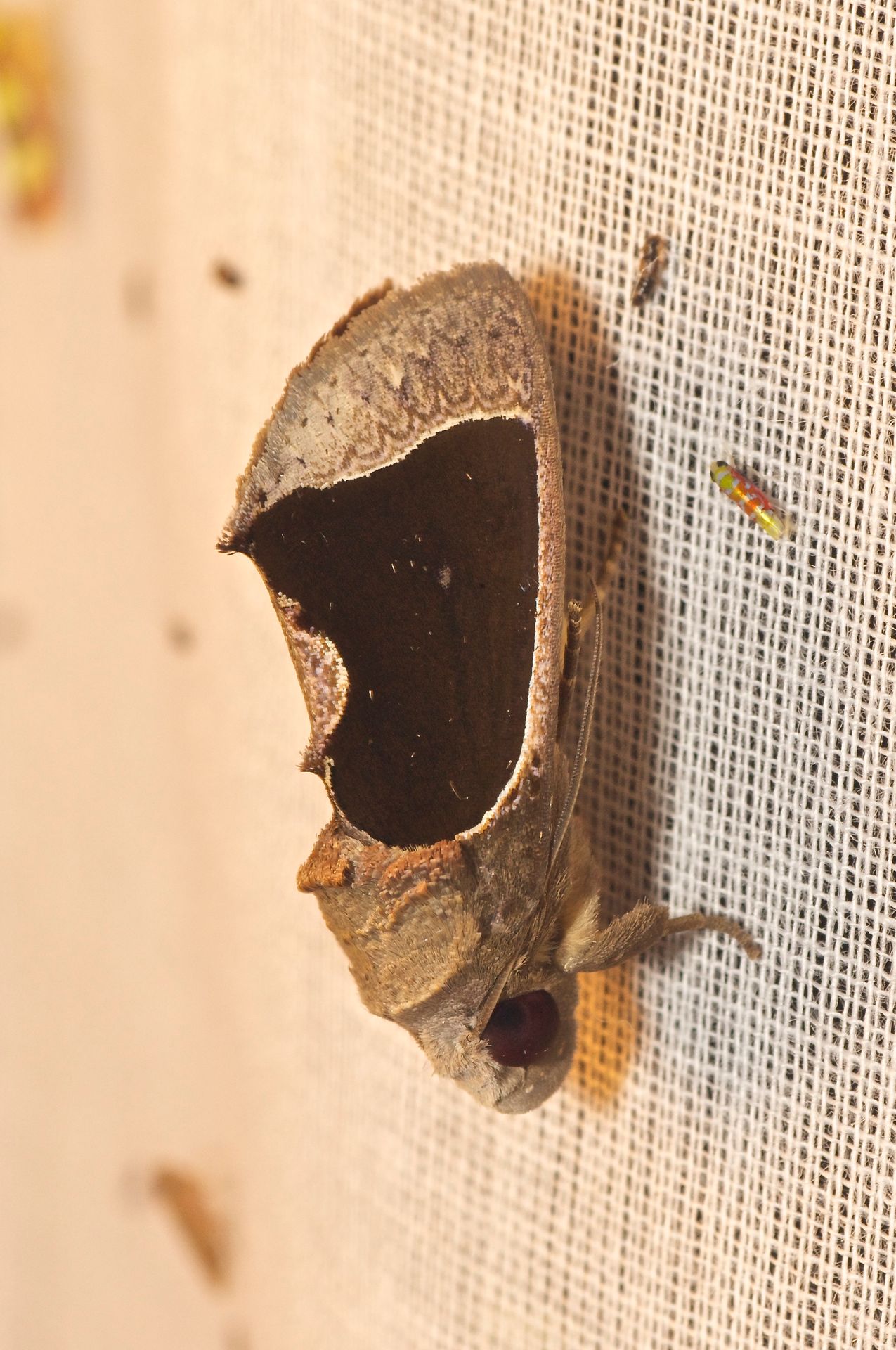
Gonodonta sinaldus is a small in the Erebidae, known for its specialized larval association with moonseed vine. have a wingspan of approximately 36 mm. The exhibits a disjunct distribution pattern, with core in the Texas Hill Country and scattered records extending north to Dallas and south through the Neotropics.
Pronunciation
How to pronounce Gonodonta sinaldus: //ˌɡoʊnəˈdɒntə saɪˈnældəs//
These audio files are automatically generated. While they are not always 100% accurate, they are a good starting point.
Identification
can be recognized by their moderate size (wingspan ~36 mm) and placement in the Gonodonta, which is characterized by distinctive wing patterns and body form among fruitpiercer . Separation from other Gonodonta requires examination of genitalia or detailed wing pattern analysis.
Images
Habitat
Associated with riparian and woodland edges where plant moonseed vine occurs. Core in the Texas Hill Country extends from the Mexican border north to Concan.
Distribution
Primary range: Mexican border north to Concan, Texas Hill Country. Sporadic records north to Dallas, Texas. Southern extent: Trinidad and Colombia.
Seasonality
Probably continuous throughout the year in suitable climates; specific periods not well documented.
Diet
Larvae feed exclusively on moonseed vine (Menispermaceae). feeding habits unknown.
Host Associations
- moonseed vine - larval plantsole documented food source
Life Cycle
Probably continuous where climate permits; no documented. Specific developmental timing unknown.
Ecological Role
Specialized herbivore; larvae function as leaf feeders on moonseed vine. Potential role in plant unknown.
Human Relevance
Minor economic significance; larvae do not appear to be agricultural pests. Subject of regional lepidopterological interest due to restricted Texas distribution.
Similar Taxa
- Gonodonta nutrixShares and general fruitpiercer ; requires genitalia dissection or detailed wing pattern comparison for definitive separation
- Gonodonta pyrgoOverlapping distribution and similar size; distinguished by subtle wing pattern differences and plant associations