
Crambidia
Packard, 1864
Species Guides
8- Crambidia casta(Pearly-winged Lichen Moth)
- Crambidia cephalica(Yellow-headed Lichen Moth)
- Crambidia dusca
- Crambidia lithosioides(Dark Gray Lichen Moth)
- Crambidia myrlosea
- Crambidia pallida(Pale Lichen Moth)
- Crambidia uniformis(Uniform Lichen Moth)
- Crambidia xanthocorpa(Yellow-bodied Lichen Moth)
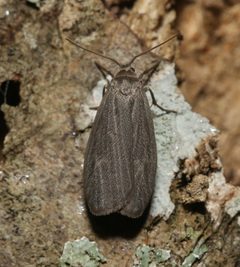
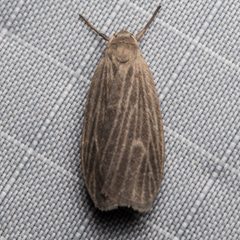
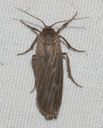
Crambidia is a of lichen moths in the Erebidae, tribe Lithosiini. The genus was established by Packard in 1864 and contains approximately 13 described . Species in this genus are characterized by pale, often whitish or cream-colored wings with relatively simple patterning. They are distributed primarily in North America.
Pronunciation
How to pronounce Crambidia: /kræmˈbɪdiə/
These audio files are automatically generated. While they are not always 100% accurate, they are a good starting point.
Identification
of Crambidia can be recognized by their pale, often white or cream-colored wings that are typically unmarked or bear only subtle patterning. The belongs to the lichen tribe Lithosiini, whose members often have slender bodies and relatively broad wings compared to body size. Specific identification to species level requires examination of genitalia or detailed wing pattern characteristics.
Images
Habitat
Associated with forested and wooded where lichens grow on trees and rocks; specific microhabitat preferences vary by .
Distribution
North America; records from the United States including Vermont, with distributed across eastern and central regions of the continent.
Diet
Larvae feed on lichens growing on trees and rocks.
Ecological Role
Larvae contribute to nutrient cycling through lichen consumption; may serve as prey for insectivorous birds and bats.
Similar Taxa
- LithosiaAlso in tribe Lithosiini with pale coloration; Crambidia often have more uniform wing coloration without the distinct spotting seen in some Lithosia
- EilemaSimilar pale lichen moths; Crambidia typically lacks the yellowish or ochre tones common in many Eilema