
Cisthenina
Genus Guides
9- Bruceia
- Cisthene(lichen moths)
- Eudesmia(lichen moths)
- Gardinia
- Haematomis
- Hypoprepia
- Lycomorpha(black-and-yellow lichen moths)
- Lycomorphodes
- Ptychoglene
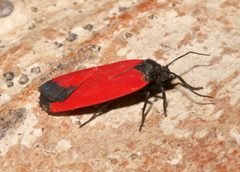
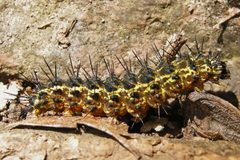
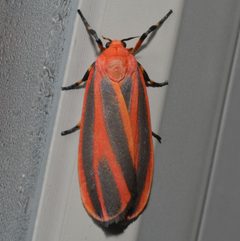
Cisthenina is a subtribe of lichen moths within the Erebidae, containing approximately 428 described . Members were formerly classified as the tribe Cisthenini in the Lithosiinae of the family , but were reclassified following taxonomic revisions of the tiger moth group. The subtribe is characterized by its association with lichen-based camouflage patterns. It represents a well-documented lineage with substantial observational data.
Pronunciation
How to pronounce Cisthenina: //sɪsˈθɛnɪnə//
These audio files are automatically generated. While they are not always 100% accurate, they are a good starting point.
Identification
Identification to subtribe level requires examination of wing pattern and genitalia; within Cisthenina generally exhibit lichen-mimicking coloration with mottled gray, green, or brown tones. Distinguishing Cisthenina from other lithosiine subtribes relies on specific combinations of forewing venation and male genitalic structures, particularly the configuration of the valvae and . Definitive identification typically requires dissection and comparison with reference specimens.
Images
Habitat
within Cisthenina are primarily associated with supporting lichen growth, including forested areas, rocky outcrops, and bark surfaces of living and dead trees. Moisture availability and air quality influence local distributions due to lichen sensitivity.
Ecological Role
As larvae, members of Cisthenina contribute to nutrient cycling through consumption of lichens, which involve fungal-algal . This feeding habit positions them within and herbivore guilds in forest . may serve as prey for including bats and birds.
Human Relevance
Cisthenina have no documented direct economic impact on agriculture or forestry. Their presence serves as an indicator of lichen diversity and, by extension, air quality in monitoring programs. The group attracts interest from lepidopterists and contributes to citizen science observation records.
Similar Taxa
- Lithosiini (other subtribes)Other subtribes within the tribe Lithosiini share lichen- and were historically confused with Cisthenina; separation requires detailed morphological or molecular analysis.
- Eilema (subtribe Eilemina)Formerly classified within the same tribe Cisthenini, Eilema resemble Cisthenina in general appearance but differ in genitalic and larval characteristics.
More Details
Taxonomic History
The subtribe underwent significant reclassification: originally treated as tribe Cisthenini within Lithosiinae of , it was subsequently transferred to family Erebidae, subfamily Arctiinae, tribe Lithosiini as subtribe Cisthenina following molecular phylogenetic studies that reorganized the tiger moth complex.
Observation Data
The subtribe has accumulated over 64,000 observation records on iNaturalist, indicating substantial citizen science engagement and relatively high detectability of its constituent .