
Neoplynes eudora
Dyar, 1894
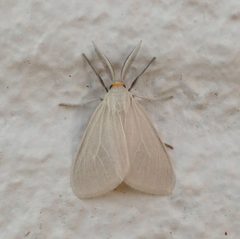
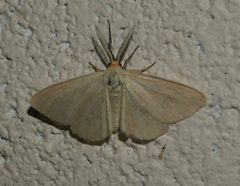
Neoplynes eudora is a small in the Erebidae, tribe Lithosiini, described by Harrison Gray Dyar Jr. in 1894. The has a wingspan of approximately 24 mm. have been recorded on wing throughout the year, indicating no clear seasonal restriction. It is known from a limited distribution in the southeastern United States.
Pronunciation
How to pronounce Neoplynes eudora: /neː.oˈplɪ.nes eu̯ˈdoː.ra/
These audio files are automatically generated. While they are not always 100% accurate, they are a good starting point.
Identification
Distinguished from other Neoplynes by geographic distribution and genitalia characteristics; specific external diagnostic features are not well documented in literature. The small size (24 mm wingspan) and southeastern U.S. range may help narrow identification.
Images
Appearance
Small with a wingspan of approximately 24 mm. As a member of tribe Lithosiini (lichen moths), likely exhibits muted coloration typical of the group, though specific pattern details are not documented in available sources.
Distribution
Southeastern United States: recorded from Florida, Georgia, North Carolina, and Texas.
Seasonality
active year-round; no restricted season has been documented.
Similar Taxa
- Other Neoplynes speciesCongeneric share general and require examination of genitalia or geographic range for reliable separation; N. eudora is the only member of the recorded from the southeastern U.S.