
Gnophaela
Walker, 1854
Police Car Moth
Species Guides
5- Gnophaela aequinoctialis
- Gnophaela clappiana
- Gnophaela discreta
- Gnophaela latipennis(Wild Forget-me-not Moth)
- Gnophaela vermiculata(Police Car Moth)
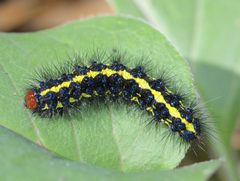
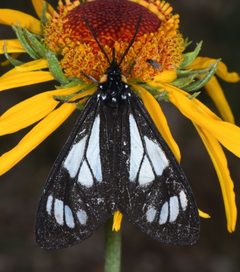
Gnophaela is a of tiger moths in the Erebidae, erected by Francis Walker in 1854. The genus contains five described distributed in North America. are known for their distinctive black-and-white coloration with orange accents, earning them the "Police Car " for their resemblance to emergency vehicles. Larvae of at least one species, Gnophaela latipennis, sequester from their plant Hackelia californica.
Pronunciation
How to pronounce Gnophaela: //nɒˈfiːlə//
These audio files are automatically generated. While they are not always 100% accurate, they are a good starting point.
Identification
can be recognized by bold black-and-white transverse banding on wings and body, with orange or reddish markings on the and . This color pattern distinguishes them from similar -mimicking in related such as Ctenucha and Syntomeida, which often exhibit metallic blue or green iridescence rather than stark black-and-white contrast.
Images
Distribution
North America. occur in the United States and adjacent regions of Canada.
Diet
Larvae of Gnophaela latipennis feed on Hackelia californica (Boraginaceae), sequestering from this plant. Diet of other in the has not been documented.
Host Associations
- Hackelia californica - larval Confirmed for Gnophaela latipennis; larvae sequester from this plant
Similar Taxa
- CtenuchaRelated tiger moth with -mimicking , but typically shows metallic blue or green coloration rather than black-and-white banding
- SyntomeidaRelated tiger moth with warning coloration, but exhibits spotted or metallic patterns rather than transverse banding
More Details
Chemical sequestration
Gnophaela latipennis has been documented to sequester from its plant Hackelia californica. These compounds are retained in tissues and likely serve as chemical defenses against .