Phoenicoprocta hampsonii
Barnes, 1904
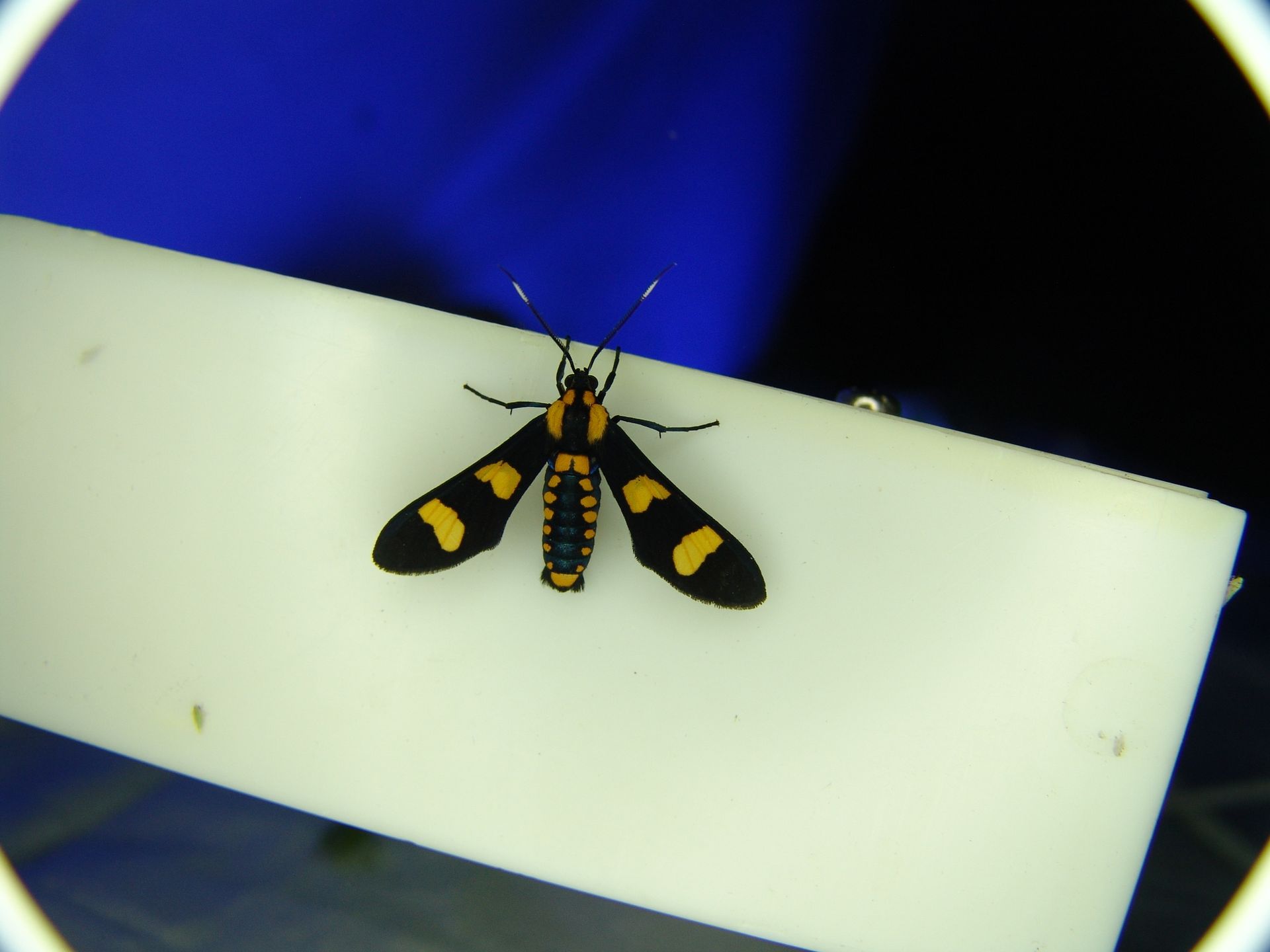
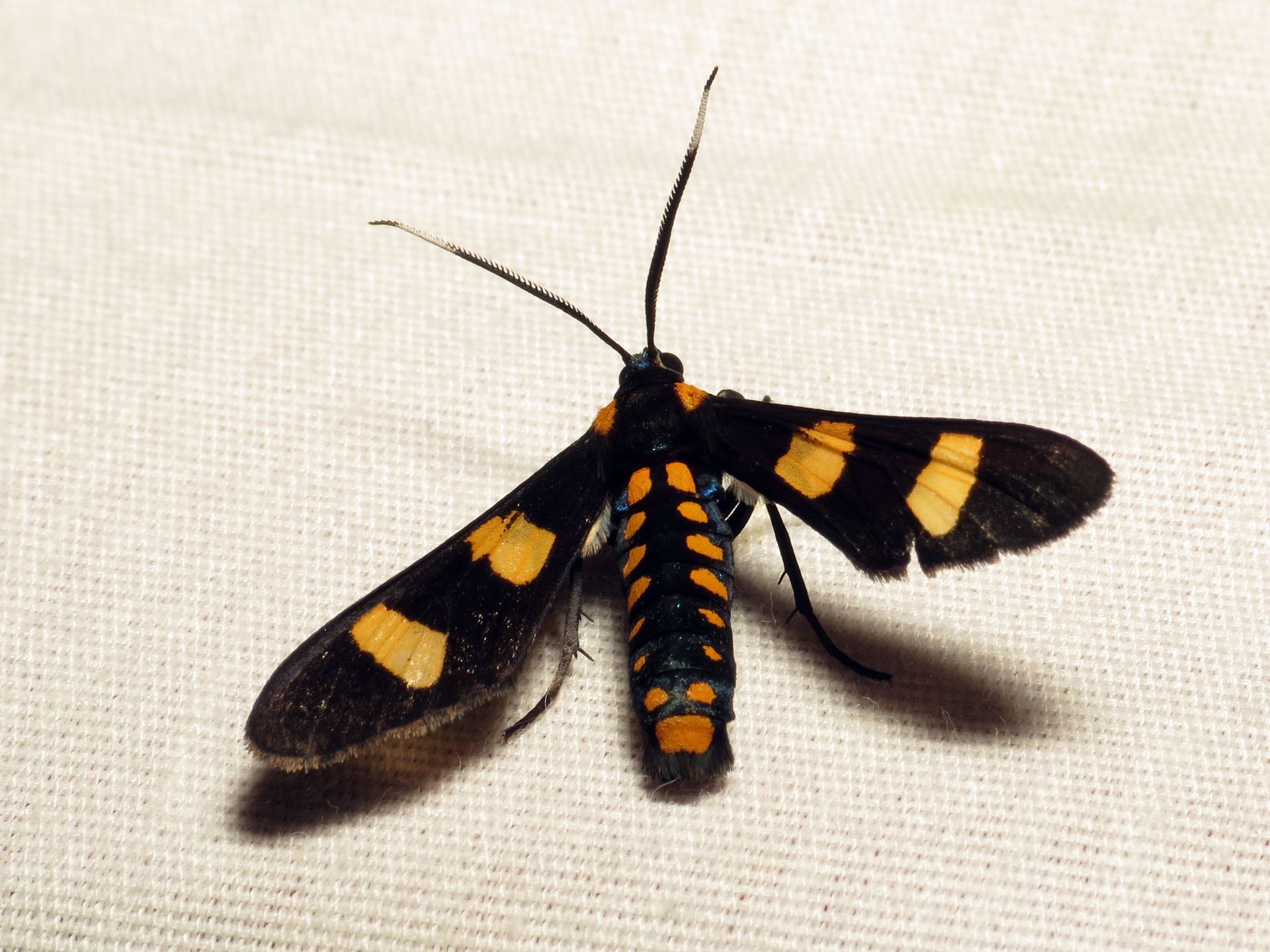
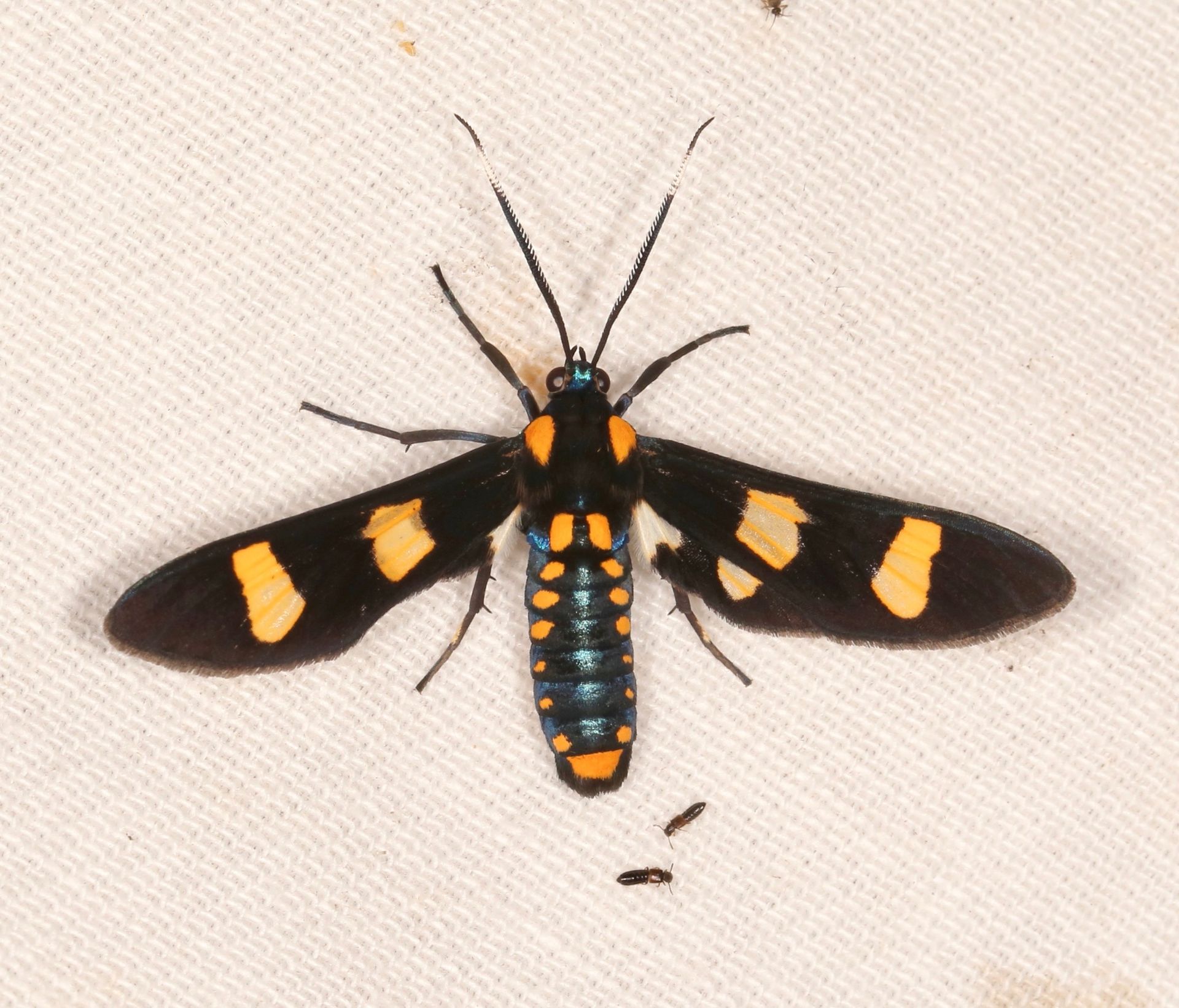
Phoenicoprocta hampsonii is a in the Arctiinae, first described by William Barnes in 1904. It is known from a restricted range in the southwestern United States and northwestern Mexico. The has a forewing length of approximately 17 mm and is active during the late summer months.
Pronunciation
How to pronounce Phoenicoprocta hampsonii: /ˌfɛnɪkoʊˈprɒktə ˌhæmpˈsoʊnaɪ/
These audio files are automatically generated. While they are not always 100% accurate, they are a good starting point.
Identification
Distinguished from congeneric by geographic distribution (southeastern Arizona and Baja California) and period (July–September). The Phoenicoprocta contains multiple species with similar ; precise identification requires examination of genitalic structures or molecular analysis.
Images
Appearance
Forewing length approximately 17 mm. Specific coloration and pattern details are not documented in available sources.
Distribution
Southeastern Arizona, United States; Baja California, Mexico.
Seasonality
are on wing from July to September.
Similar Taxa
- Other Phoenicoprocta speciesMembers of this share similar wing patterns and body form; P. hampsonii is distinguished primarily by geographic range and period.
More Details
Taxonomic History
Originally described in 1904 by William Barnes. The epithet honors Sir George Hampson, a prominent British entomologist known for his work on .