Arctia lapponica
(Thunberg, 1791)
Lapland Tiger Moth
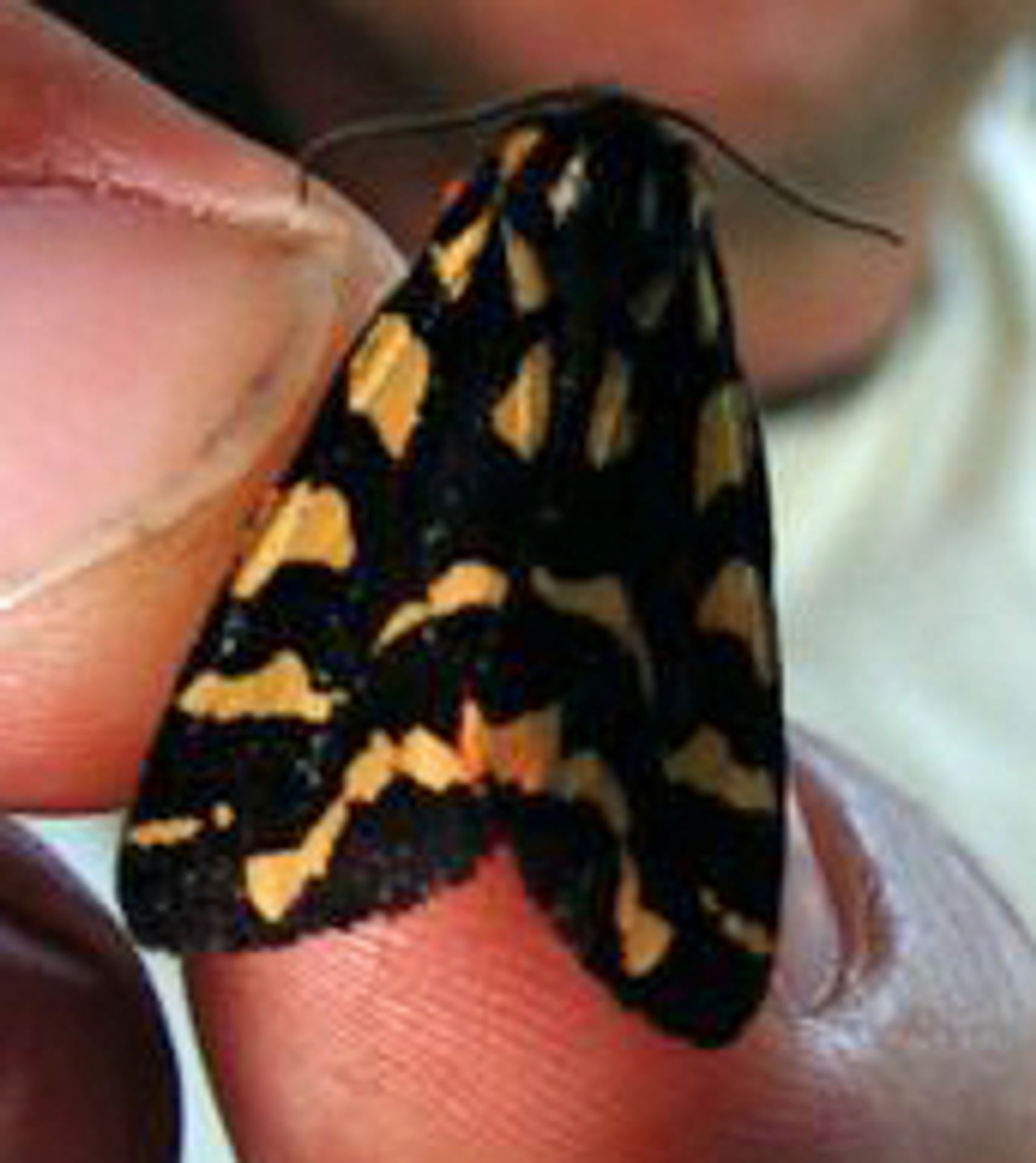
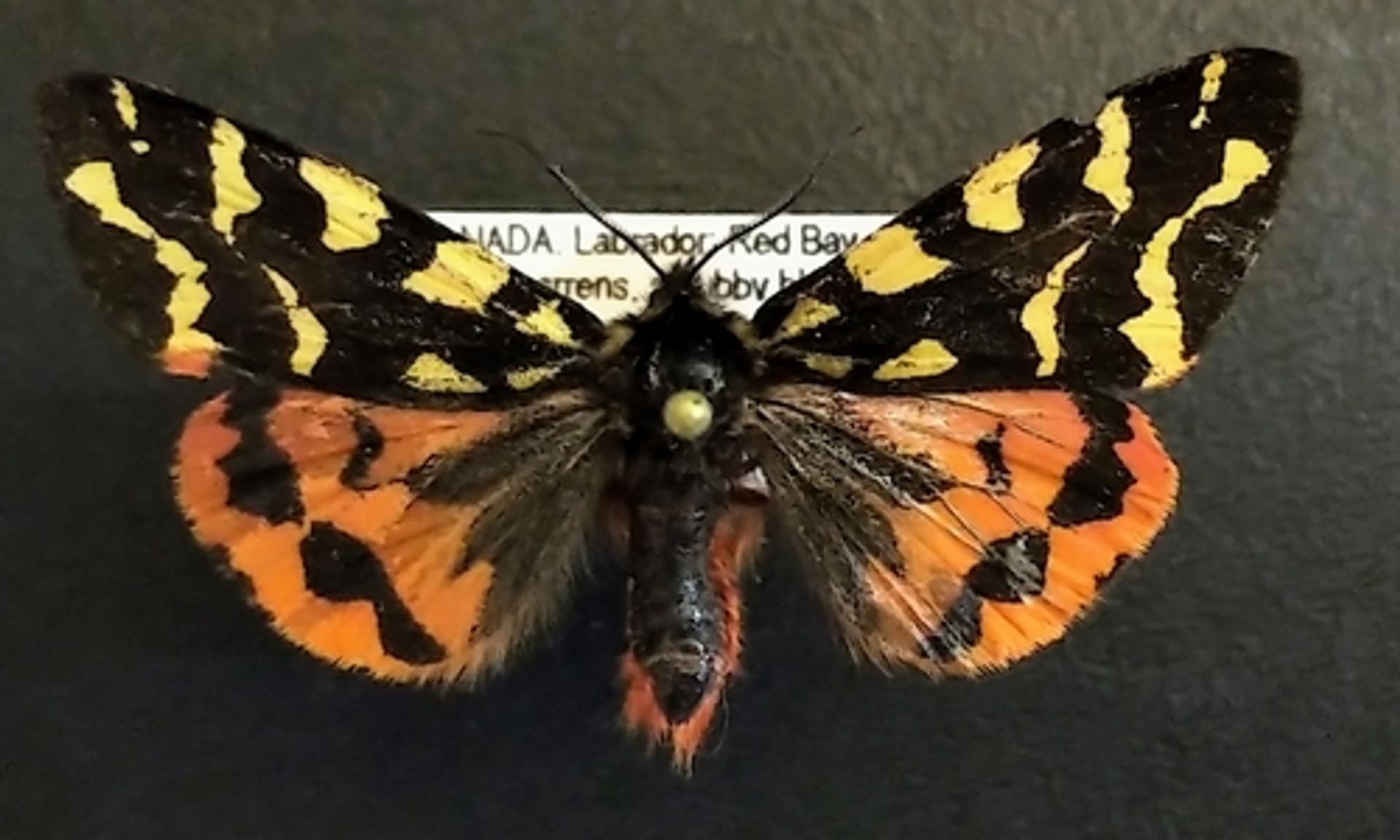
Arctia lapponica is a medium-sized tiger moth in the Erebidae, first described by Carl Peter Thunberg in 1791. The was transferred from the Pararctia to Arctia in a recent taxonomic revision that consolidated several related genera. It occupies a broad Arctic and subarctic distribution across northern Eurasia and North America.
Pronunciation
How to pronounce Arctia lapponica: /ˈɑr.kti.ə læpˈpɒn.ɪ.kə/
These audio files are automatically generated. While they are not always 100% accurate, they are a good starting point.
Identification
Distinguished from other Arctia by its Arctic distribution and association with tundra and northern . Formerly placed in Pararctia, now merged into Arctia. Specific diagnostic characters for field identification are not documented in available sources.
Images
Appearance
Wingspan 37–45 mm. Forewings and hindwings are patterned with dark and light markings typical of tiger moths; exact coloration not specified in available sources. Body presumably hairy as is characteristic of the Arctia.
Habitat
Tundra and northern zones. Associated with vegetation including dwarf birch, bog bilberry, and cloudberry.
Distribution
Northern Eurasia and the Arctic part of North America. Present in Norway, Sweden, and North America according to distribution records.
Diet
Larvae feed on Betula nana (dwarf birch), Vaccinium uliginosum (bog bilberry), and Rubus chamaemorus (cloudberry). feeding habits not documented.
Host Associations
- Betula nana - larval foodplantdwarf birch
- Vaccinium uliginosum - larval foodplantbog bilberry
- Rubus chamaemorus - larval foodplantcloudberry
Life Cycle
Complete with , larva, pupa, and stages. Specific details of and number of per year not documented.
Ecological Role
Larval herbivore in Arctic and subarctic ; contributes to nutrient cycling through consumption of dwarf shrubs.
Similar Taxa
- Arctia menetriesiiBoth are rare Arctic tiger moths in the Arctia with limited distributions; A. menetriesii is restricted to Finland and the Russian Far East and is distinguished by different larval plants and preferences.
More Details
Taxonomic history
This was formerly classified in the Pararctia. It was transferred to Arctia along with species from the genera Acerbia, Parasemia, Platarctia, and Platyprepia as part of a genus consolidation.
Subspecies
Four are recognized: A. l. lapponica (Polar Eurasia), A. l. lemniscata (mountains of eastern Yakutia), A. l. hyperborea, and A. l. gibsoni.