
Ectoedemia populella
Busck, 1907
Poplar Petiole Gall Moth, Aspen Petiole Gall Moth
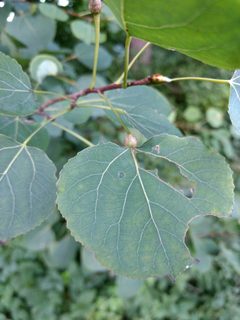
A minute North American in the Nepticulidae. Larvae induce distinctive globular galls on the petioles of Populus . are active in spring following larval in galls. The species is widely distributed east of the Rocky Mountains.
Pronunciation
How to pronounce Ectoedemia populella: /ˌɛktoʊɪˈdiːmiə ˌpɒpjʊˈlɛlə/
These audio files are automatically generated. While they are not always 100% accurate, they are a good starting point.
Identification
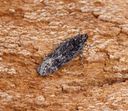
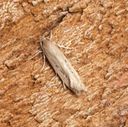
Distinguished from other Ectoedemia by association with globular petiole galls on Populus. size (7–8.5 mm wingspan) consistent with but not diagnostic alone. Gall and association are primary identification cues. Similar gall-inducing species on Populus require examination of gall position and structure for separation.
Images
Habitat
Associated with stands of Populus , particularly aspen and poplar. Occurs in forested and riparian environments where trees are present. Specific requirements beyond host presence not documented.
Distribution
North America east of the Rocky Mountains. Documented from Massachusetts, New Hampshire, Ohio, Vermont, and Manitoba. GBIF records indicate presence in Nearctic region with specific localities in Canada and northeastern/upper midwestern United States.
Seasonality
emerge in spring. Larvae active during growing season, inducing galls. Mature larvae overwinter within galls. Specific period not precisely documented but spring confirmed.
Diet
Larvae feed internally within petiole galls of Populus , inducing gall formation. Specific feeding mechanism on plant tissue not described. do not feed (inferred from -level trait of reduced mouthparts, but not explicitly confirmed for this species).
Host Associations
- Populus - larval Several ; galls formed on petioles
Life Cycle
laid on or near Populus petioles. Larvae tunnel into petioles and induce globular galls. Larvae mature within galls, then overwinter in situ. occurs in spring within gall. emerge in spring. Single per year inferred from pattern.
Behavior
Larval induces structural modification of plant tissue, forming globular galls that provide protected feeding environment. No other behaviors documented.
Ecological Role
As a gall inducer, modifies plant architecture and potentially influences leaf abscission or nutrient flow. Provides sheltered microhabitat that may be used by other organisms ( or not documented for this ).
Human Relevance
No documented economic or ecological impact. Occasionally noted in biodiversity surveys and gall studies. Not considered a pest of commercial significance.
Similar Taxa
- Ectoedemia argyropezaAlso associated with Populus; distinguished by different gall and mine location (E. argyropeza typically forms blotch mines on leaves rather than petiole galls)
- Other Ectoedemia species on SalicaceaeRequire examination of gall position, larval feeding site, and genitalia for definitive identification
More Details
Taxonomic history
First described by August Busck in 1907. Danish-American entomologist who made substantial contributions to North American microlepidoptera .
Gall characteristics
Galls are globular, formed specifically on petioles rather than leaf blades or stems. This distinguishes the from leaf-mining relatives in the same .