
Bohemannia
Stainton, 1859
Species Guides
1- Bohemannia pulverosella(Dusty Apple Pigmy)
Bohemannia is a of minute in the Nepticulidae, commonly known as microlepidoptera. The genus contains nine described distributed primarily across Europe and East Asia. These moths are among the smallest lepidopterans, with most species described in the 19th and 20th centuries. Larvae of Nepticulidae are leaf miners, though specific associations for most Bohemannia species remain poorly documented.
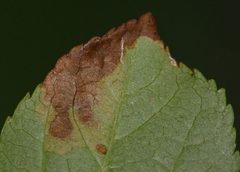
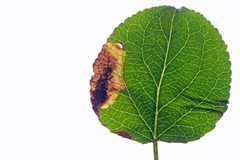
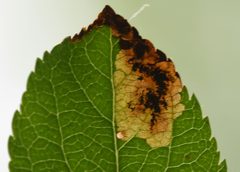
Pronunciation
How to pronounce Bohemannia: /boˈhɛ.mæn.i.ə/
These audio files are automatically generated. While they are not always 100% accurate, they are a good starting point.
Identification
Identification to level requires examination of genitalia and wing pattern details. are minute with wingspans typically under 10 mm. Forewings often show characteristic pattern elements including spots or bands; for example, B. quadrimaculella has four distinct forewing spots. Specimens are best collected by sweeping or rearing from leaf mines.
Images
Distribution
Europe (including Denmark, Norway, Sweden, United Kingdom) and East Asia (Japan, China, Russian Far East). Distribution records from GBIF indicate confirmed presence in Denmark, Norway, and Sweden.
Similar Taxa
- StigmellaBoth are Nepticulidae with minute size and leaf-mining larvae; Bohemannia is distinguished by forewing pattern elements and male genitalia structure.
- EctoedemiaSimilar minute size and leaf-mining habit; Bohemannia typically have more contrasting forewing markings and different genitalia .
More Details
Species diversity
Nine are currently recognized: B. auriciliella (France), B. manschurella (China), B. nipponicella (Japan), B. nubila (Russian Far East), B. piotra (Russian Far East), B. pulverosella (Europe), B. quadrimaculella (Europe), B. suiphunella (Russian Far East), and B. ussuriella (Russian Far East).
Taxonomic history
The was established by Stainton in 1859. Several were transferred from other genera or described by Puplesis in 1984–1985 based on material from the Russian Far East.