
Sthenopis thule
(Strecker, 1875)
Willow Ghost Moth
Sthenopis thule, commonly known as the willow , is a hepialid native to North America. Larvae are root borers in willow (Salix) plants. The has a , with development spanning two years. are active in early summer.
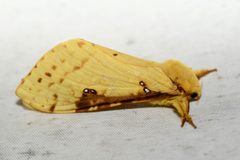
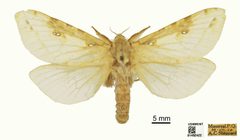
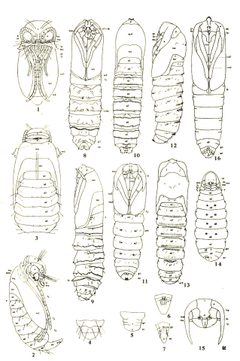
Pronunciation
How to pronounce Sthenopis thule: /stɛnˈoʊpɪs ˈθuːleɪ/
These audio files are automatically generated. While they are not always 100% accurate, they are a good starting point.
Identification
Larvae can be distinguished from other root-boring caterpillars by their association with willow roots in wetland . lack functional mouthparts, a trait shared with other Hepialidae, and have reduced wing venation compared to many . Specific adult diagnostic features for this are not well documented in available sources.
Images
Habitat
Associated with willow (Salix) stands, particularly in riparian zones and wetland edges where plants grow. Larval is below ground in root tissue of living willows.
Distribution
Canada (Ontario, Quebec, Saskatchewan) and the United States. Records suggest a northern distribution centered on the Great Lakes region and Canadian prairie provinces.
Seasonality
have been observed in June and July. The complete spans approximately two years.
Diet
Larvae feed exclusively on roots of willow (Salix). do not feed.
Host Associations
- Salix - larval food plantlarvae bore in roots
Life Cycle
are deposited on or near plants. Larvae tunnel into willow roots and develop as borers. occurs within the root or surrounding soil. The is believed to take two years to complete, though this has not been experimentally verified.
Behavior
Larvae are subterranean root borers. is poorly documented; hepialid generally do not feed as adults and have short adult lifespans focused on .
Ecological Role
As a root borer, larvae may influence willow plant health and potentially contribute to nutrient cycling in riparian . Specific ecological impacts have not been quantified.
Human Relevance
No significant documented economic or cultural importance. Not considered a major pest of willow crops or ornamental plantings.
Similar Taxa
- Sthenopis argenteomaculatusAlso a North American hepialid root borer in willow; may overlap in range and use. Specific distinguishing characters require examination.
- Other HepialidaeShare reduced mouthparts and root-boring or litter-feeding larval habits; identification to and requires examination of genitalia and wing venation patterns.
More Details
Taxonomic note
The specific epithet 'thule' refers to the ancient Greek and Roman name for a northern land, reflecting this ' distribution.