
Phymatopus hectoides
(Boisduval, 1868)
Orange-Lined Ghost Moth
Phymatopus hectoides is a small in the Hepialidae, described by Boisduval in 1868. It occurs in the western United States, where are active in late spring and summer. The larvae are known to feed on a diverse range of plants, boring into shoots and roots.

Pronunciation
How to pronounce Phymatopus hectoides: /faɪˈmætəpəs hɛkˈtɔɪdiːz/
These audio files are automatically generated. While they are not always 100% accurate, they are a good starting point.
Identification
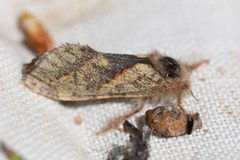
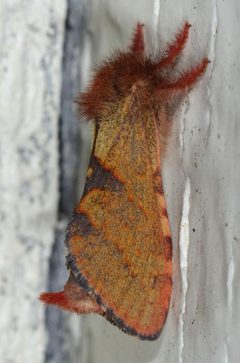
Small size (wingspan ~27 mm) distinguishes it from larger Hepialidae. The orange-lined pattern referenced in the may aid recognition. Within its western U.S. range, identification to level likely requires examination of genitalia or larval association.
Images
Appearance
have a wingspan of approximately 27 mm. As a member of Hepialidae, the body is relatively robust with broad wings. The 'Orange-Lined ' suggests distinctive orange markings on the wings, though specific pattern details are not documented in available sources.
Distribution
Western United States: California, Arizona, Nevada, and Oregon.
Seasonality
on wing from May to July.
Diet
Larvae feed on Baccharis, Horkelia, Lupinus, Helenium, Eriophyllum, Scrophularia, and fern . They bore into shoots and roots of plants. feeding habits are not documented.
Host Associations
- Baccharis - larval food plantshoot and root borer
- Horkelia - larval food plantshoot and root borer
- Lupinus - larval food plantshoot and root borer
- Helenium - larval food plantshoot and root borer
- Eriophyllum - larval food plantshoot and root borer
- Scrophularia - larval food plantshoot and root borer
- Pteridophyta - larval food plantfern ; shoot and root borer
Life Cycle
Complete with larval boring habit in plant shoots and roots. Specific details on site, number of instars, and stage are not documented.
Behavior
Larvae are internal feeders, boring into shoots and roots of plants rather than feeding externally. activity period is May-July.
Ecological Role
As a shoot and root borer, larvae may influence plant growth and survival. The broad host range across multiple plant suggests ecological flexibility.
Similar Taxa
- Phymatopus californicusOverlapping range in California; may require dissection or plant association for separation
- Other HepialidaeShared characteristics of broad wings and robust body; size and geographic range help narrow identification