
Gazoryctra novigannus
(Barnes & Benjamin, [1926])
Smooth Ghost Moth
Gazoryctra novigannus, commonly known as the Smooth , is a of ghost moth in the Hepialidae. It was first described by William Barnes and Foster Hendrickson Benjamin in 1926. The species occurs across western and central North America, from Quebec westward to the Rocky Mountains and south to Arizona. As with other hepialid , are non-feeding and larvae are presumed to feed on roots or decaying organic matter, though specific biological details remain poorly documented.
Pronunciation
How to pronounce Gazoryctra novigannus: //ɡəˈzɔrɪktrə ˌnoʊvɪˈɡænəs//
These audio files are automatically generated. While they are not always 100% accurate, they are a good starting point.
Identification
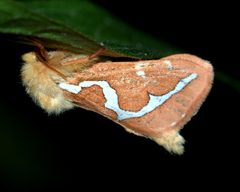
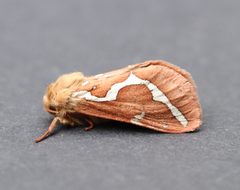
Distinguished from other Gazoryctra by specific genitalia and wing pattern details; accurate identification requires examination of specimens. The "Smooth " suggests relatively unmarked or smooth wing scaling compared to some . Ghost moths (Hepialidae) generally lack functional mouthparts as adults, with reduced or absent .
Images
Habitat
Associated with montane and foothill environments across its range, including coniferous and mixed forests. Specific microhabitat preferences for larvae remain undocumented.
Distribution
North America: Quebec west to the Rocky Mountains, south to Arizona. Canadian provincial records include Alberta and Saskatchewan.
Life Cycle
As with all Hepialidae, complete occurs with , larva, pupa, and stages. Larvae are presumed to be root-feeders or saprophagous, but specific relationships and developmental duration are undocumented for this . Adults are non-feeding.
Behavior
are and attracted to light. Males are known to fly in searching patterns to locate females for mating. Specific behavioral observations for this are limited.
Ecological Role
Larvae likely contribute to soil nutrient cycling through root feeding or decomposition activities. serve as prey for including bats and birds.
Human Relevance
No documented economic or agricultural significance. Occasionally encountered by enthusiasts and in light-trapping surveys.
Similar Taxa
- Other Gazoryctra speciesOverlap in geographic range and general ; requires genitalia dissection or detailed wing pattern analysis for definitive separation
- Other Hepialidae (ghost moths)Shared characteristics including reduced mouthparts and similar body plan; -level features distinguish Gazoryctra
More Details
Taxonomic history
The specific epithet 'novigannus' and authorship date of 1926 reflect original description in Barnes & Benjamin's work on North American Lepidoptera. The bracketed date in authorship indicates publication in a work issued in 1926 but possibly with nominal 1927 date on title page.
Data limitations
Despite 196+ iNaturalist observations, published biological studies specific to G. novigannus are scarce. Most ecological inferences derive from better-studied or general Hepialidae .