
Neurobathra bohartiella
Opler, 1971
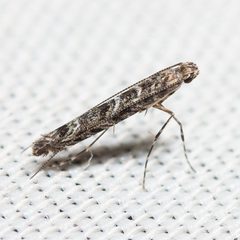
Neurobathra bohartiella is a small in the Gracillariidae, described by Opler in 1971. The is to California and is known only from a limited number of observations. Its larvae are leaf miners on coast live oak (Quercus agrifolia).
Pronunciation
How to pronounce Neurobathra bohartiella: /nɛʊroʊˈbæθrə boʊˌhɑrtiˈɛlə/
These audio files are automatically generated. While they are not always 100% accurate, they are a good starting point.
Identification
Specific diagnostic features for distinguishing N. bohartiella from related Gracillariidae have not been published. The Neurobathra is characterized by distinctive genitalia , but species-level identification requires examination of or original description.
Images
Habitat
Associated with coast live oak (Quercus agrifolia) woodlands and mixed oak forests in California.
Distribution
to California, United States. Known from multiple localities within the state based on specimen records and observations.
Diet
Larvae feed on Quercus agrifolia (coast live oak).
Host Associations
- Quercus agrifolia - Larvae mine leaves of this oak
Life Cycle
Larvae are leaf miners. occurs within the leaf mine or in a silken cocoon on the leaf surface.
Behavior
Larvae create serpentine or blotch mines in leaves of the plant. are and attracted to light.
Ecological Role
As a , larvae may contribute to localized leaf damage on coast live oak, though densities appear low based on limited observation records.
Similar Taxa
- Other Neurobathra species contains multiple ; N. bohartiella distinguished by genitalia and geographic restriction to California
- Other Gracillariidae leaf miners on QuercusSeveral gracillariid mine oak leaves; identification requires examination of larval mine pattern, pupal characteristics, or genitalia
More Details
Taxonomic note
The epithet 'bohartiella' honors Dr. George E. Bohart, an entomologist who collected the type series.
Conservation status
Not formally assessed; rarity of observations may reflect limited survey effort rather than true scarcity.