Phyllonorycter bataviella
(Braun, 1908)
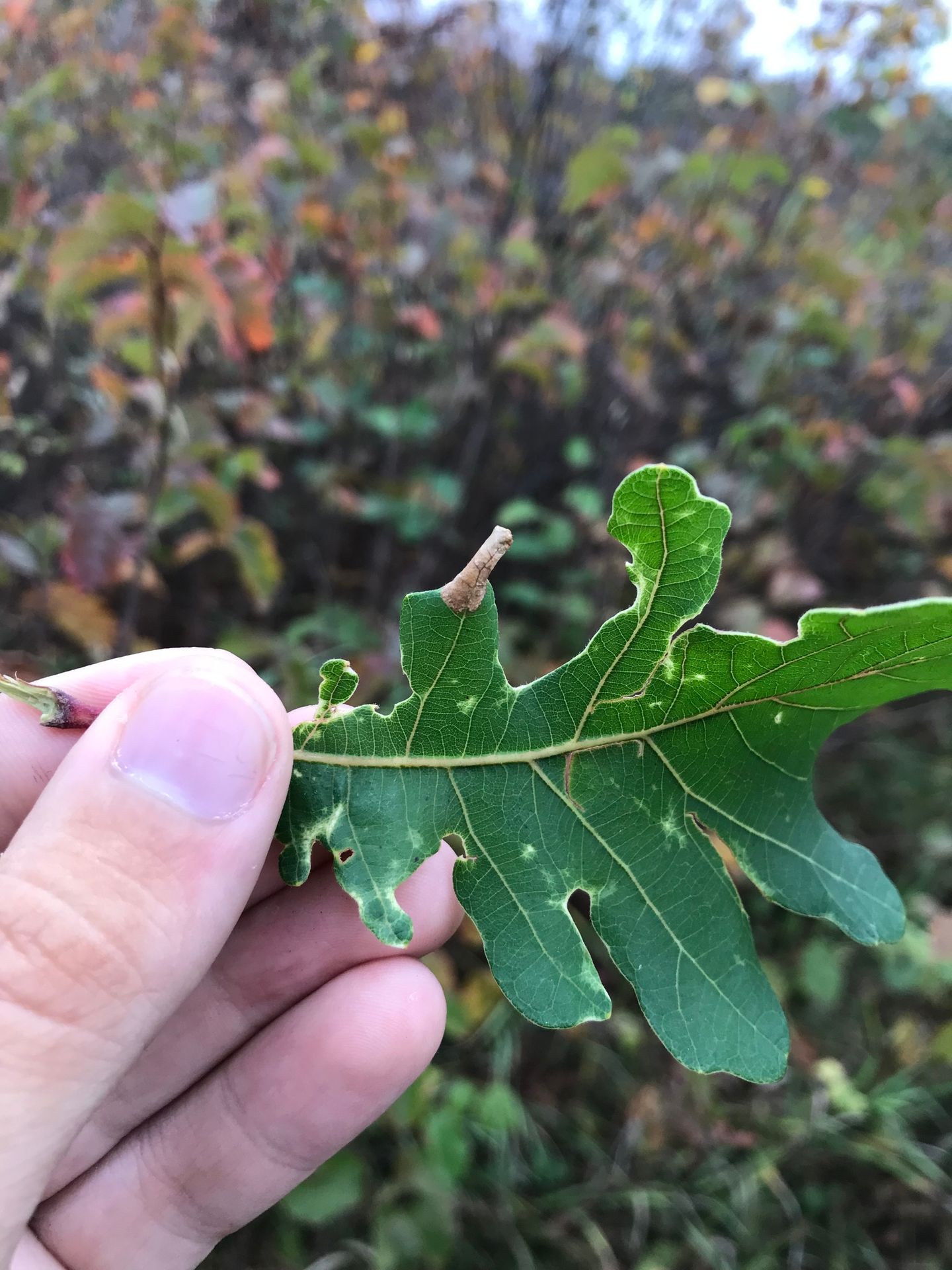
A small leaf-mining in the , known from scattered records across the eastern and midwestern United States. The belongs to a whose typically create blotch mines within leaves. moths are tiny, with wingspans characteristic of microlepidoptera.
Pronunciation
How to pronounce Phyllonorycter bataviella: /ˌfɪl.oʊ.nɔːˈrɪk.tər bəˌtɑː.viˈɛl.lə/
These audio files are automatically generated. While they are not always 100% accurate, they are a good starting point.
Identification
are minute with wingspans under 10 mm, consistent with other Phyllonorycter . Specific diagnostic features for P. bataviella are not documented in available sources. Members of this can be challenging to distinguish without examination of or analysis.
Images
Habitat
Associated with deciduous forests and wooded areas where plants occur. Specific microhabitat preferences for this are undocumented.
Distribution
United States: recorded from Illinois, Ohio, Maine, Michigan, and Cincinnati (Ohio). Distribution appears limited to eastern and midwestern regions of the country.
Behavior
have been observed at blacklight, indicating activity. This is consistent with documented for many small in the .
Ecological Role
As a , the larval stage likely contributes to in forest through on leaf tissue. Specific ecological impacts have not been quantified for this .
Similar Taxa
- Phyllonorycter spp.Other in the are morphologically similar and require detailed examination for accurate identification. The genus as a whole comprises small leaf-mining with similar .
- Other Gracillariidae members share small size and leaf-mining habits, though Phyllonorycter typically create blotch mines rather than serpentine mines.