
Dialectica
Walsingham, 1897
Species Guides
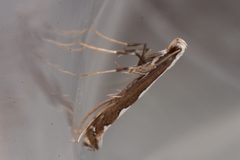
1Dialectica is a of minute in the Gracillariidae, first described by Walsingham in 1897. These insects are leaf miners, with larvae that feed internally within leaf tissues. The genus is part of the diverse microlepidoptera fauna and has been documented from limited geographic regions based on available records.
Pronunciation
How to pronounce Dialectica: /daɪəˈlɛktɪkə/
These audio files are automatically generated. While they are not always 100% accurate, they are a good starting point.
Identification
Members of Dialectica can be distinguished from other Gracillariidae by genitalia , particularly in the male valvae and structure. -level identification requires examination of these structures and often plant association data. The genus is placed in the Acrocercopinae based on larval morphology and wing venation patterns.
Images
Distribution
Documented distribution records include Denmark and Sweden based on GBIF occurrence data. The full natural range remains incompletely documented.
Diet
Larvae are leaf miners that feed internally within leaf tissues of plants. Specific host plant associations vary by and are not comprehensively documented for the .
Life Cycle
Complete with , larval, pupal, and stages. Larvae are leaf miners, creating internal feeding galleries within leaves. occurs within the leaf mine or in a silken cocoon on the leaf surface.
Behavior
are and attracted to light. Larvae exhibit internal feeding , mining between leaf epidermal layers.
Ecological Role
As leaf miners, larvae contribute to herbivore pressure on plants and may serve as prey for and other natural enemies.
Similar Taxa
- PhyllocnistisAlso Gracillariidae with leaf-mining larvae, but Phyllocnistis larvae produce distinctive serpentine mines with visible trails, whereas Dialectica mines differ in pattern and frass distribution.
- CamerariaAnother Gracillariidae with leaf-mining larvae; Cameraria typically produces blotch mines on specific genera, while Dialectica mine and host associations differ.
Misconceptions
The name 'Dialectica' has been used for a philosophy journal established in 1947, leading to potential confusion with this . The philosophical usage and entomological genus are entirely unrelated.
More Details
Taxonomic authority
First established by Lord Walsingham in 1897 based on specimens from southern Europe.
Research gaps
The lacks comprehensive taxonomic revision; boundaries, associations, and full geographic distribution remain poorly documented.