Bucculatrix trifasciella
Clemens, 1866
Three-banded ribbed cocoon-maker moth
Bucculatrix trifasciella is a small in the Bucculatricidae, first described by James Brackenridge Clemens in 1866. The larvae are leaf miners on oak (Quercus) , creating distinctive feeding patterns within leaf tissue. The species is found in eastern North America, with records from the northeastern United States and Ontario, Canada.
Pronunciation
How to pronounce Bucculatrix trifasciella: /bʌk.jʊˈleɪ.trɪks traɪ.faˈsiː.ɛl.lə/
These audio files are automatically generated. While they are not always 100% accurate, they are a good starting point.
Identification
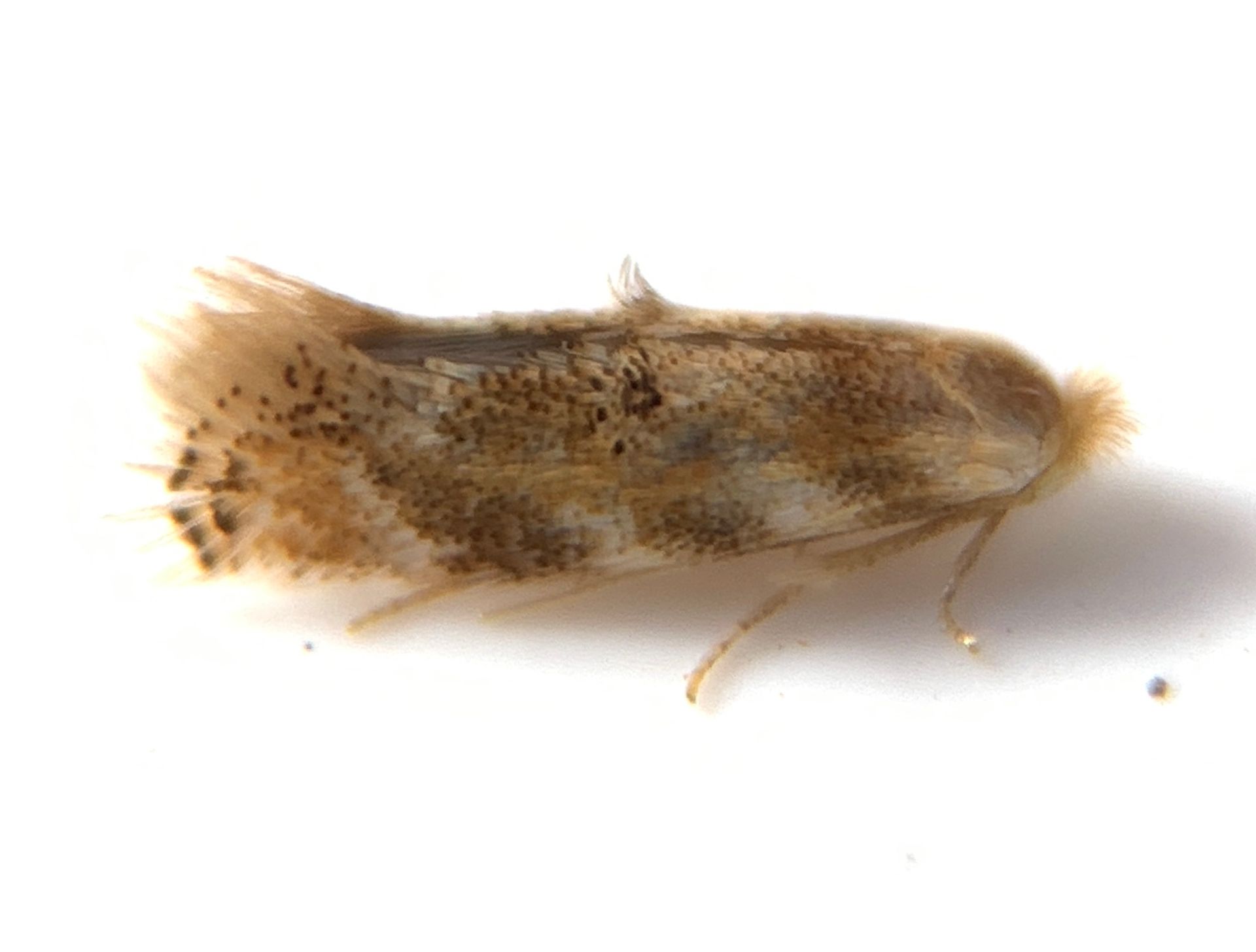
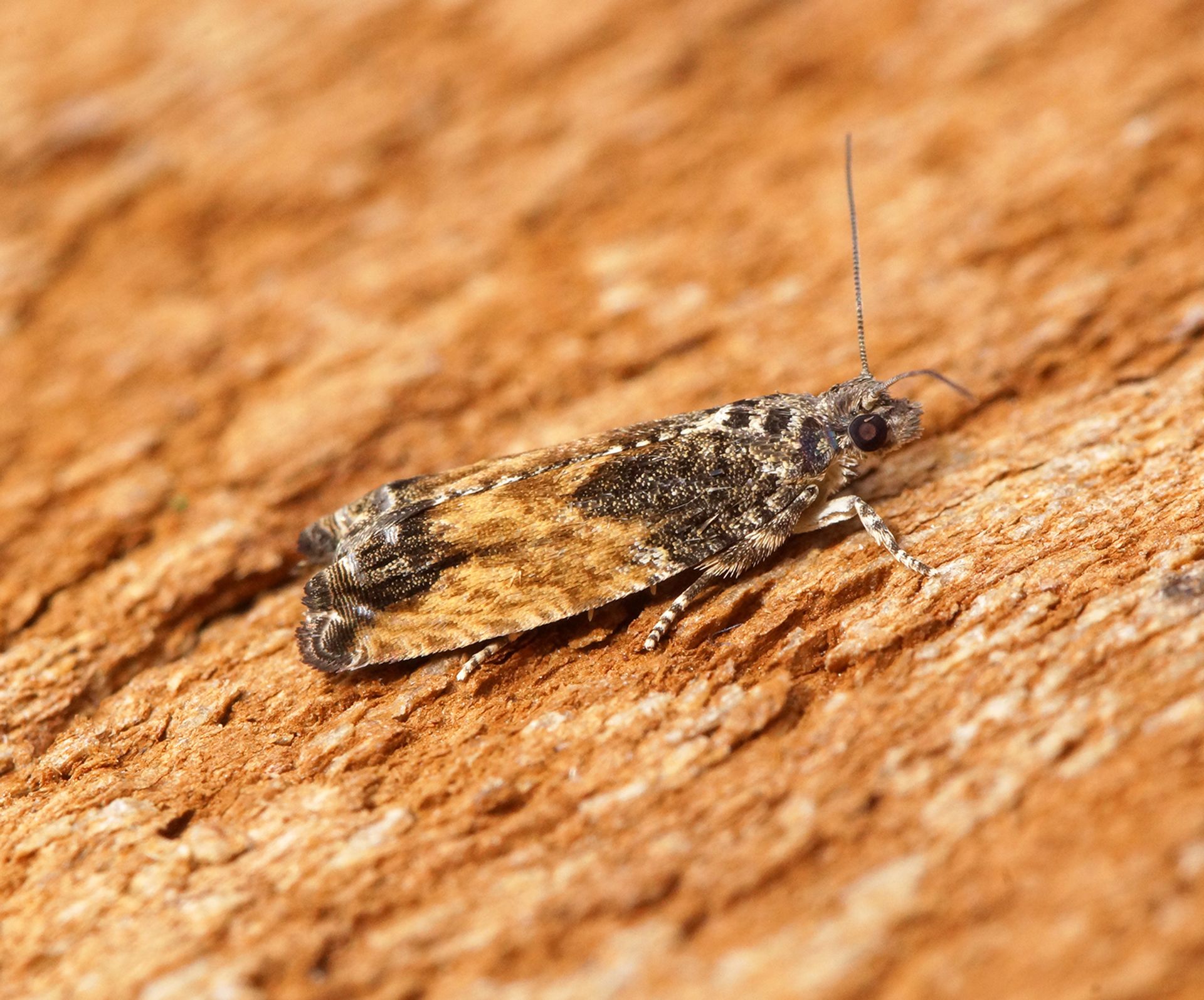
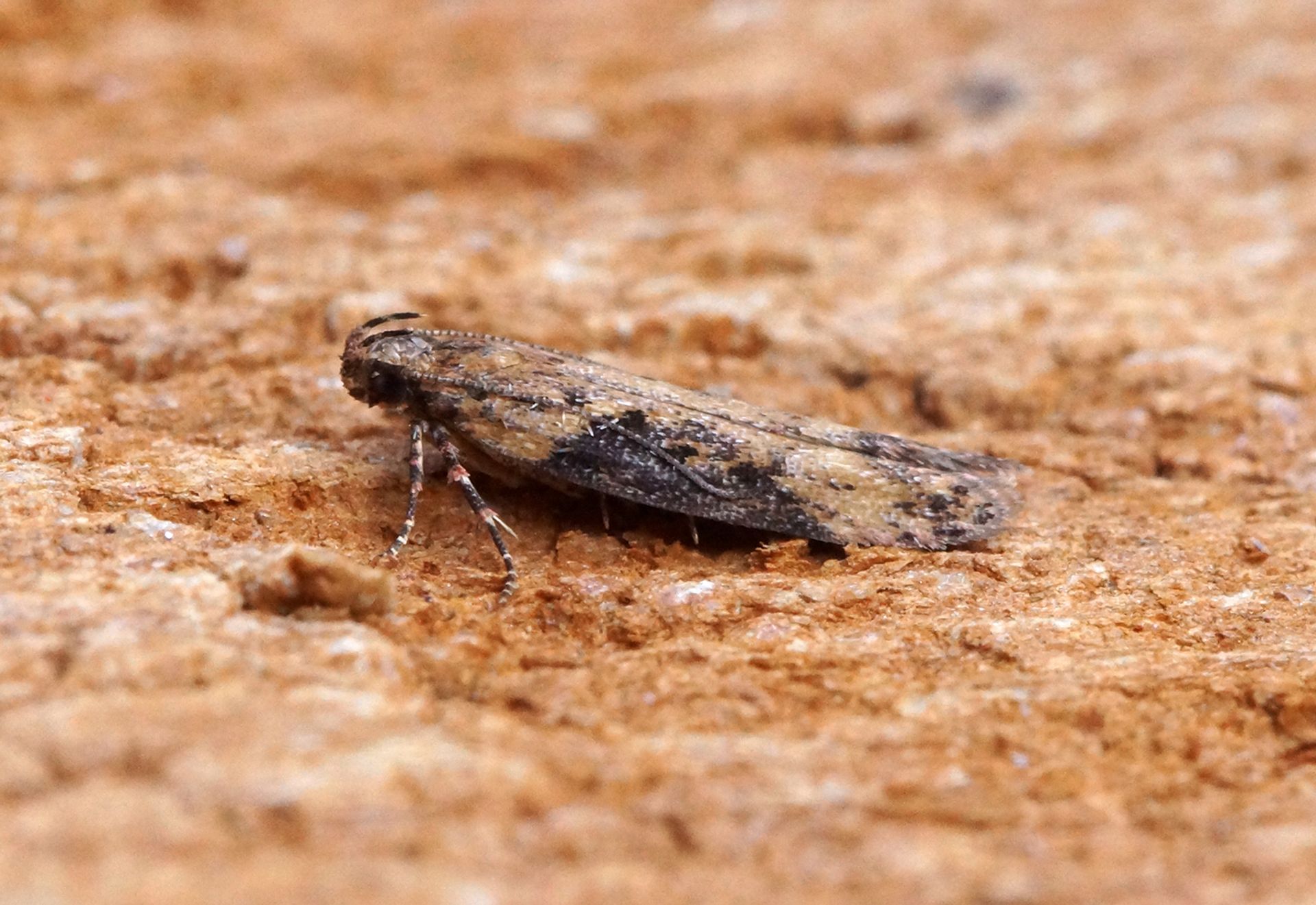
can be distinguished from other Bucculatrix by the presence of three distinct pale fasciae (bands) across the darker forewings. The Bucculatrix is recognized by the combination of small size, narrow wings with pointed apices, and the characteristic resting posture with wings tightly folded. Species-level identification requires examination of wing pattern and genitalia. Larval mines on oak leaves are linear to blotch-shaped and may contain visible trails.
Images
Appearance
are minute with narrow, wings. The epithet "trifasciella" refers to three fasciae (bands) on the forewings, a pattern characteristic of this species. Like other Bucculatrix species, adults have a slender body form and relatively long for their size. The wings are held tent-like over the body at rest.
Habitat
Associated with oak-dominated forests and woodlands. Larval is within the leaves of Quercus . have been recorded in areas where oaks are present, including both mature forest and more open oak-hickory woodlands.
Distribution
Recorded from Maine, New Hampshire, Pennsylvania, New Jersey, Kentucky, Ohio, and Ontario, Canada. The distribution appears centered in the northeastern and north-central United States, extending into adjacent Canada.
Seasonality
period has been documented in spring, with observations in April and May during City Nature Challenge events in Kansas. Specific details are poorly documented.
Diet
Larvae feed on Quercus (oaks). They are leaf miners, feeding between the upper and lower of leaves.
Host Associations
- Quercus - larval leaf mining on oak
Life Cycle
Complete with , larval, pupal, and stages. Larvae mine oak leaves, then exit to spin a ribbed cocoon on the leaf surface or ground. The ribbed cocoon is characteristic of the Bucculatricidae.
Behavior
Larvae are endophagous leaf miners. are and attracted to light. Specific adult are poorly documented.
Ecological Role
As a , larvae contribute to herbivory pressure on oak . The is part of the guild of microlepidopteran leaf miners in deciduous forest .
Human Relevance
No significant economic or medical importance. Occasionally encountered by naturalists and lepidopterists during surveys.
Similar Taxa
- Bucculatrix speciesOther members of the share similar size, wing shape, and cocoon-spinning ; distinguished by wing pattern details and genitalia
- Other Gracillarioidea leaf minersSimilar mining habits on oaks; distinguished by mine and larval characteristics
More Details
Taxonomic history
First described by James Brackenridge Clemens in 1866. The specific epithet refers to the three-banded wing pattern.
Detection methods
are best detected by blacklighting in oak during spring. Larval mines can be found by examining oak leaves, particularly in late spring and summer.