
Lobocleta ossularia
(Geyer, 1837)
Drab Brown Wave, drab brown wave moth
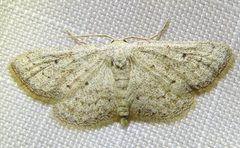
Lobocleta ossularia, known as the Drab Brown Wave, is a small geometrid with a wingspan of 13–19 mm. It occurs across much of North America, from California to Florida and northward to New York and Illinois. are active during summer months, with records from June to September in California. The larvae feed on specific herbaceous plants including Stellaria media, Galium , and Fragaria chiloensis.
Pronunciation
How to pronounce Lobocleta ossularia: /loʊboʊˈklɛtə ˌɒsəˈlɛriə/
These audio files are automatically generated. While they are not always 100% accurate, they are a good starting point.
Identification
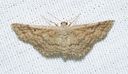
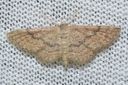
Small size (13–19 mm wingspan) and drab brown coloration with wavy wing patterns distinguish this from larger geometrids. The specific wavy transverse lines help separate it from other Lobocleta , though precise identification may require examination of genitalia or reference to regional keys.
Images
Appearance
Small with wingspan 13–19 mm. Overall coloration drab brown with wavy transverse lines on wings characteristic of the 'wave' moth group. Pattern provides camouflage against bark and leaf litter.
Habitat
details not explicitly documented in sources. Occurrence across diverse North American regions from California to Florida suggests adaptability to varied environments where larval plants (Stellaria media, Galium, Fragaria chiloensis) are present.
Distribution
North America, recorded from California to Florida, north in the eastern United States to New York, Illinois, and Vermont.
Seasonality
on wing June to September in California; likely similar summer period across range, though specific timing may vary regionally.
Diet
Larvae feed on Stellaria media (common chickweed), of Galium (bedstraws), and Fragaria chiloensis (beach strawberry). feeding habits not documented.
Host Associations
- Stellaria media - larval common chickweed
- Galium - larval bedstraw
- Fragaria chiloensis - larval beach strawberry
Life Cycle
Complete with documented larval and stages. Specific details of , pupal stages, and strategy not available in sources.
Ecological Role
Larval herbivore on low-growing herbaceous plants; specific ecological impacts not documented.
Similar Taxa
- Other Lobocleta speciesSimilar small size, drab coloration, and wavy wing patterns; may require dissection or detailed wing pattern analysis for separation
- Other Sterrhinae wave mothsShared 'wave' pattern element and small stature; -level characters distinguish Lobocleta
More Details
Taxonomic note
Originally described by Geyer in 1837; currently classified in Sterrhinae of Geometridae. The specific epithet 'ossularia' may relate to bone-like or pale markings, though etymology not confirmed in sources.
Observation frequency
Well-documented with over 8,500 observations on iNaturalist, indicating it is frequently encountered and reliably identifiable by observers.