Scopula umbilicata
(Fabricius, 1794)
swag-lined wave moth
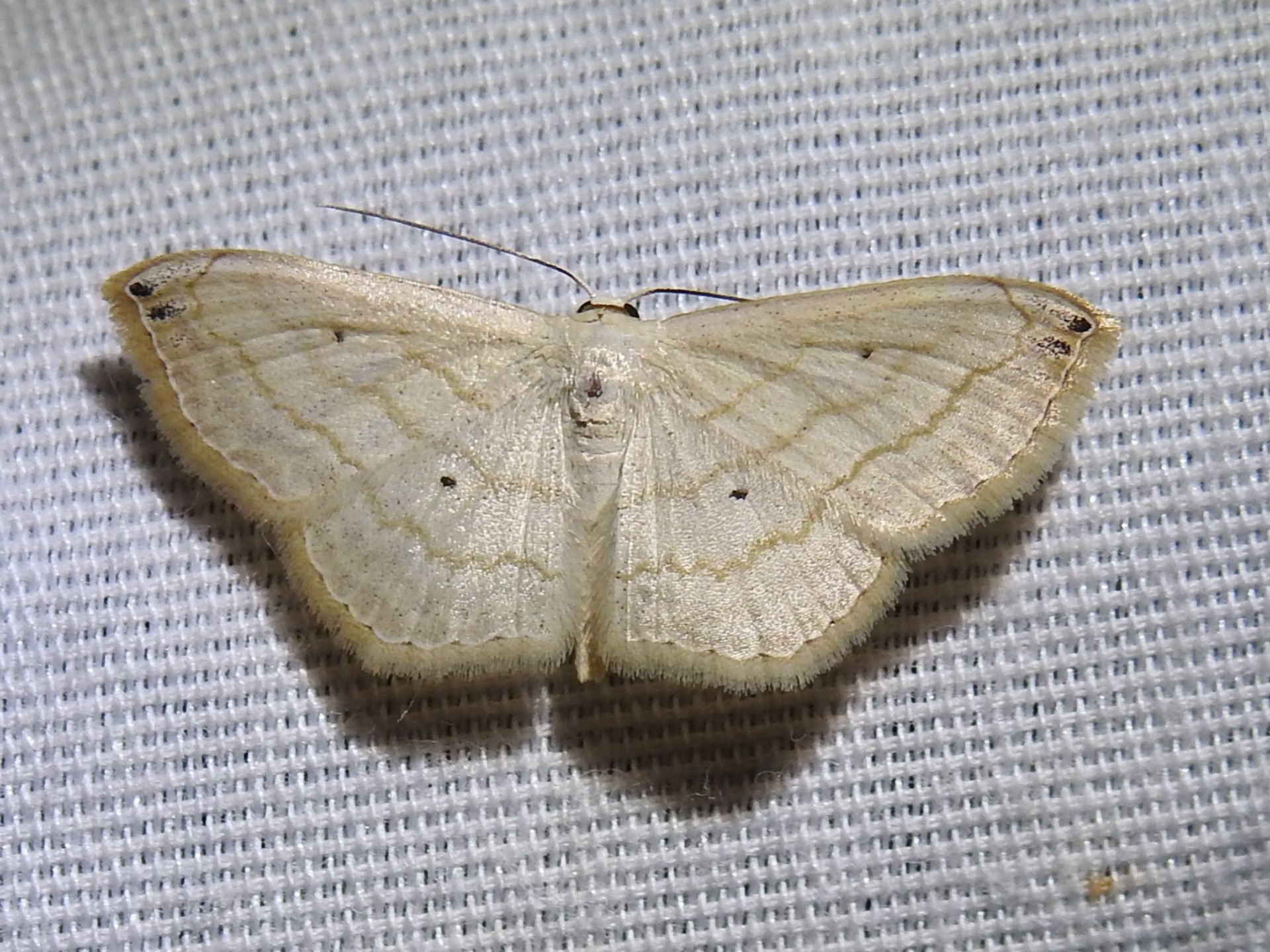
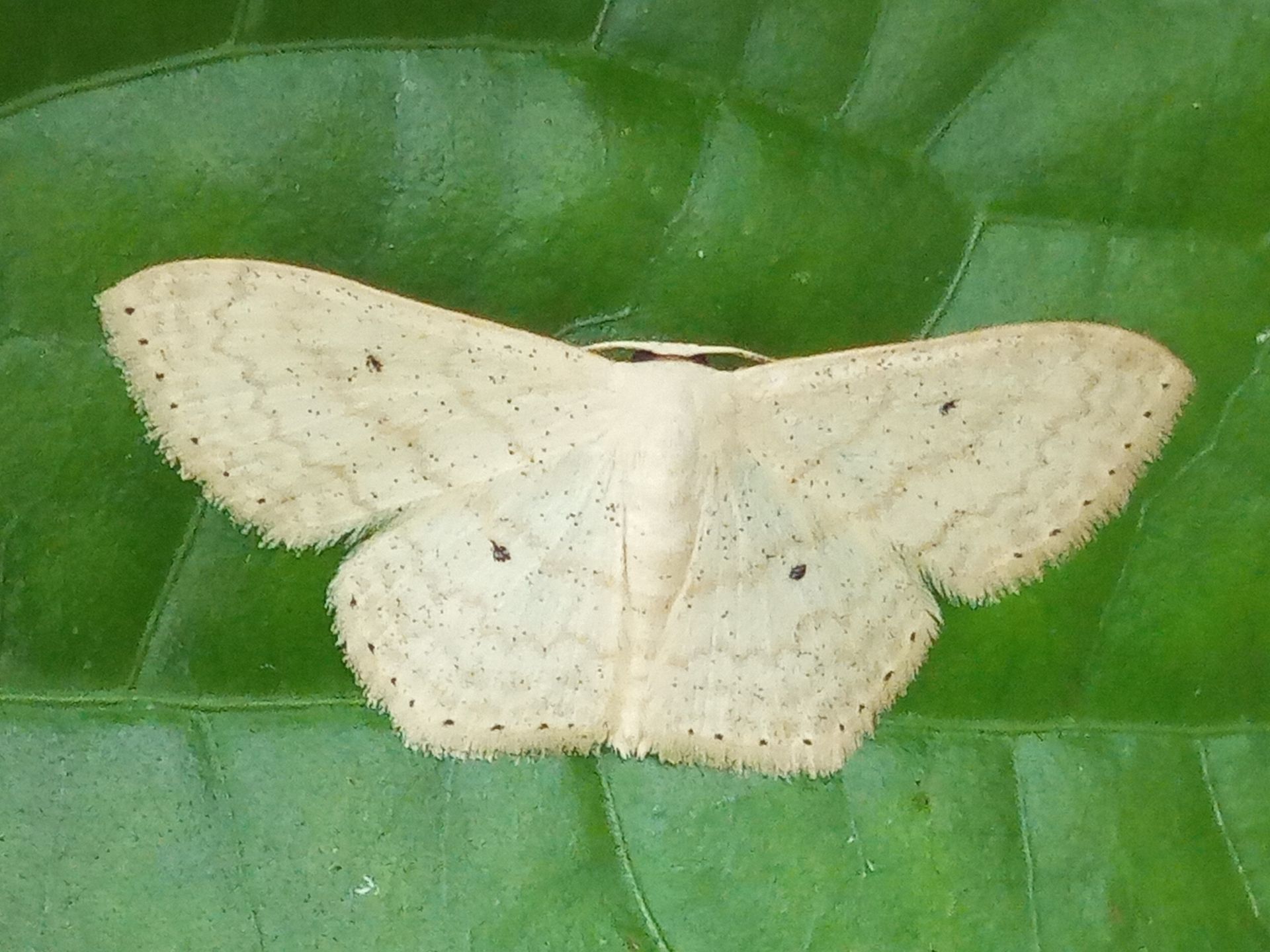
Scopula umbilicata is a small geometrid first described by Johan Christian Fabricius in 1794. It occurs across a broad geographic range spanning the southern United States, Central America, South America, and the Caribbean. The species is characterized by its distinctive white wings with sparse speckling and relatively small size, with a wingspan of approximately 18 mm. Like other members of the Scopula, its caterpillars are likely inchworm-type larvae that move with a characteristic looping gait.
Pronunciation
How to pronounce Scopula umbilicata: /ˈskoʊ.pjʊ.lə ˌʌm.bɪ.lɪˈkeɪ.tə/
These audio files are automatically generated. While they are not always 100% accurate, they are a good starting point.
Identification
The combination of small size (18 mm wingspan), white wings with sparse speckling, and geographic distribution in the southern United States and Neotropics distinguishes this from similar Scopula species. Scopula limboundata (large lace-border moth), which occurs in eastern North America, has more prominent lace-like wing borders. Other white-winged geometrids in the region typically show more distinct pattern elements such as lines, bands, or spots. The specific epithet 'umbilicata' (navel-like) may refer to a subtle central wing marking, though this is not clearly documented in available sources. Definitive identification requires examination of genitalia or reference to regional faunal treatments.
Images
Appearance
Small with wingspan approximately 18 mm. Wings are white with sparse speckling across the wing surface. The overall appearance is relatively plain and unmarked compared to many other geometrid . The body is slender and typical of the Geometridae. are . Wing pattern is consistent with the 'wave' , suggesting subtle wavy transverse lines may be present though not prominently described in available sources.
Habitat
Specific associations are not well documented in available sources. Based on the broad geographic distribution and occurrence records from diverse regions including Arizona, Florida, Georgia, Oklahoma, Texas, South America, and the West Indies, the likely occupies a range of open to semi-open habitats in subtropical and tropical zones. Many Scopula species are associated with grasslands, meadows, open woodlands, and disturbed areas where their larval plants occur.
Distribution
Southern United States (Arizona, Florida, Georgia, Oklahoma, Texas), Central America, South America, and the West Indies including Puerto Rico. The broad distribution spanning temperate to tropical zones suggests ecological flexibility or cryptic requiring further study.
Seasonality
activity periods are not specifically documented for this . In the southern United States, geometrid moths are typically active from spring through fall, with peak diversity in summer months. Tropical likely show less pronounced seasonality.
Similar Taxa
- Scopula limboundataSimilar white-winged appearance but larger size, more prominent lace-like wing borders, and primarily eastern North American distribution
- Other Scopula speciesMany share similar size and general appearance; definitive separation requires detailed examination of wing pattern elements and genitalia
More Details
Taxonomic History
First described by Johan Christian Fabricius in 1794, making it one of the earlier described in the large Scopula. The genus Scopula contains over 700 described species worldwide, with many species exhibiting subtle morphological differences that make identification challenging.
Etymology
The specific epithet 'umbilicata' derives from Latin 'umbilicus' meaning navel or center, possibly referring to a subtle central marking on the wings, though this feature is not prominently described in available literature.