Cyclophora culicaria
(Guenée, [1858])
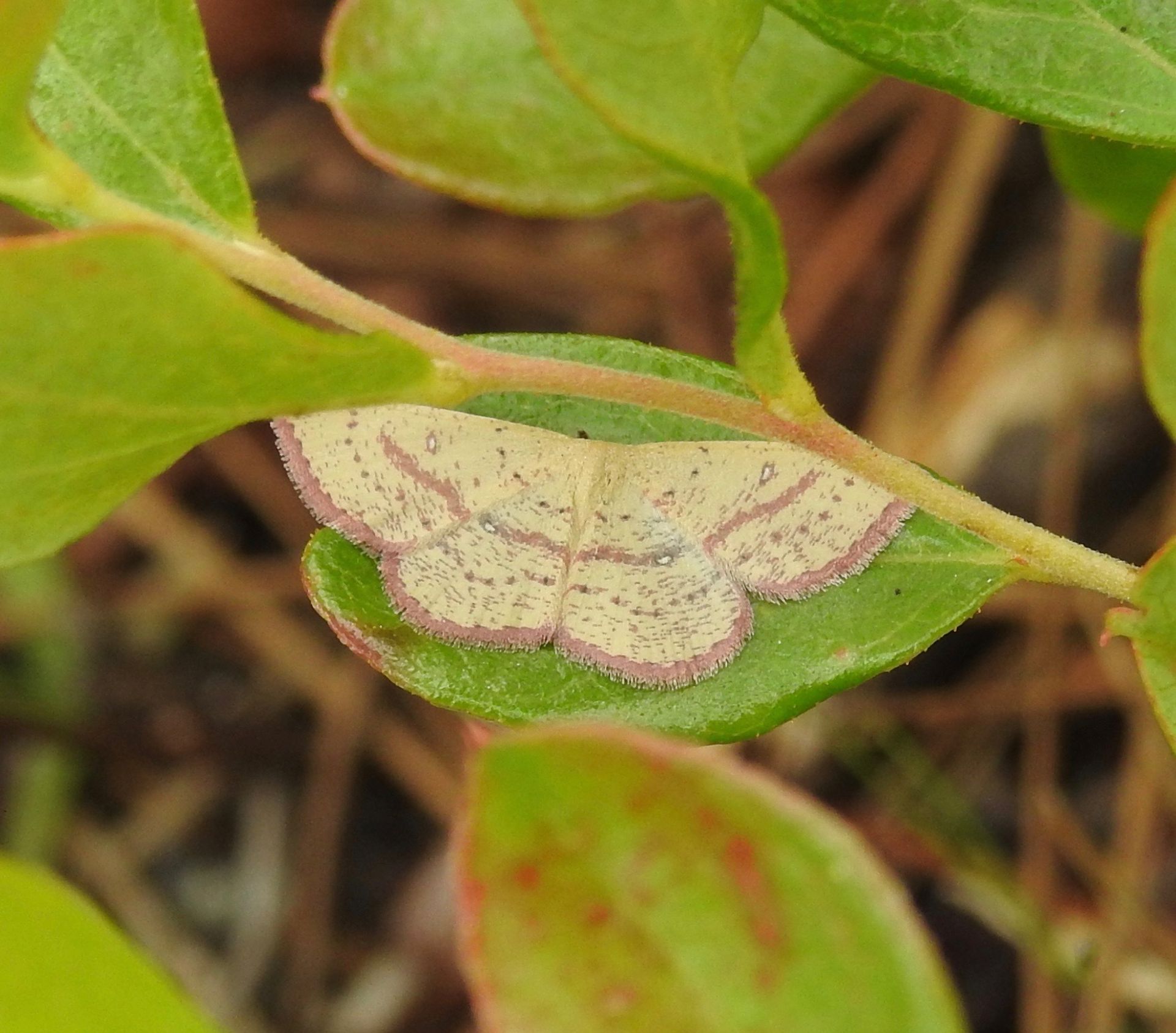
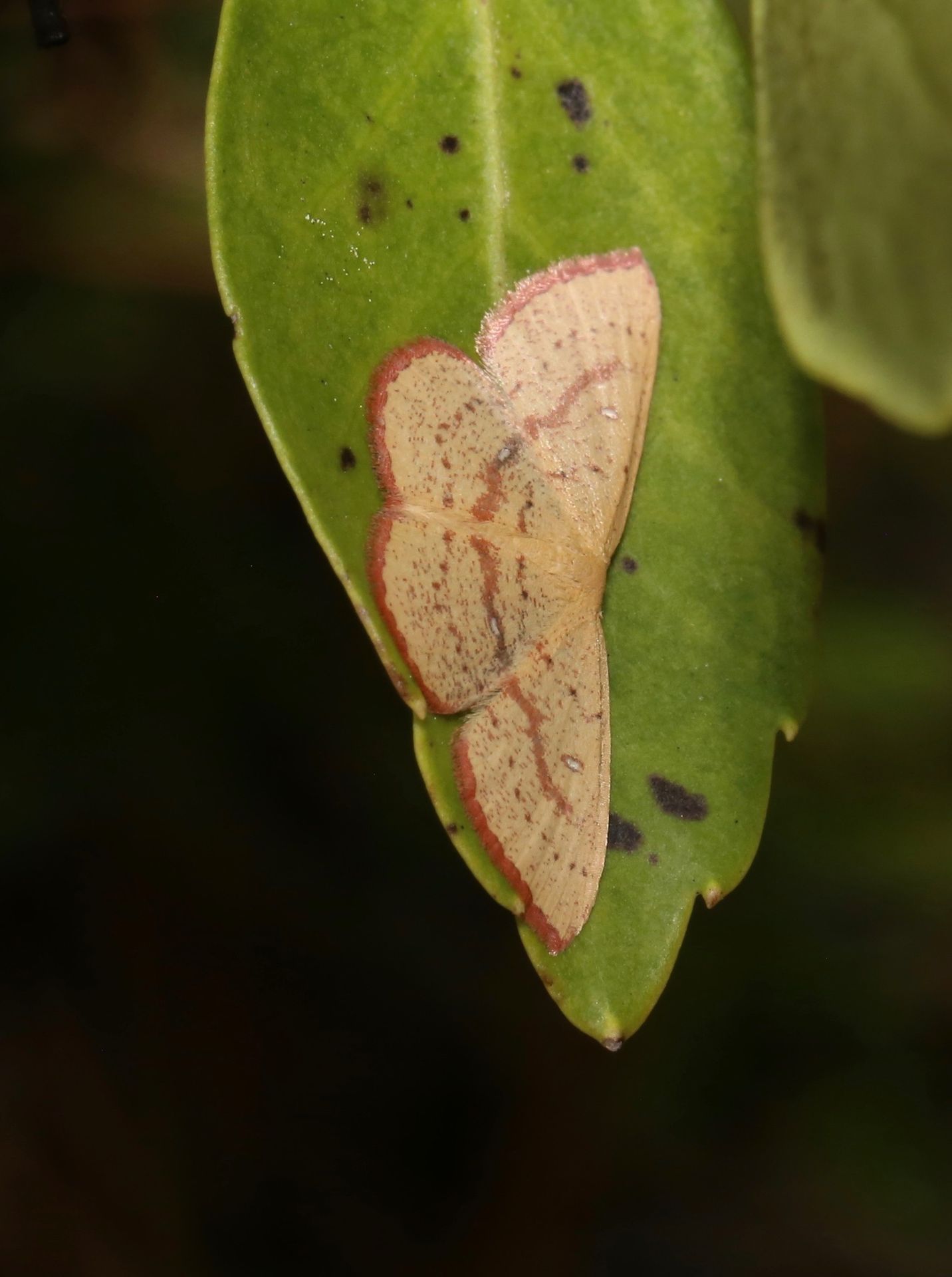
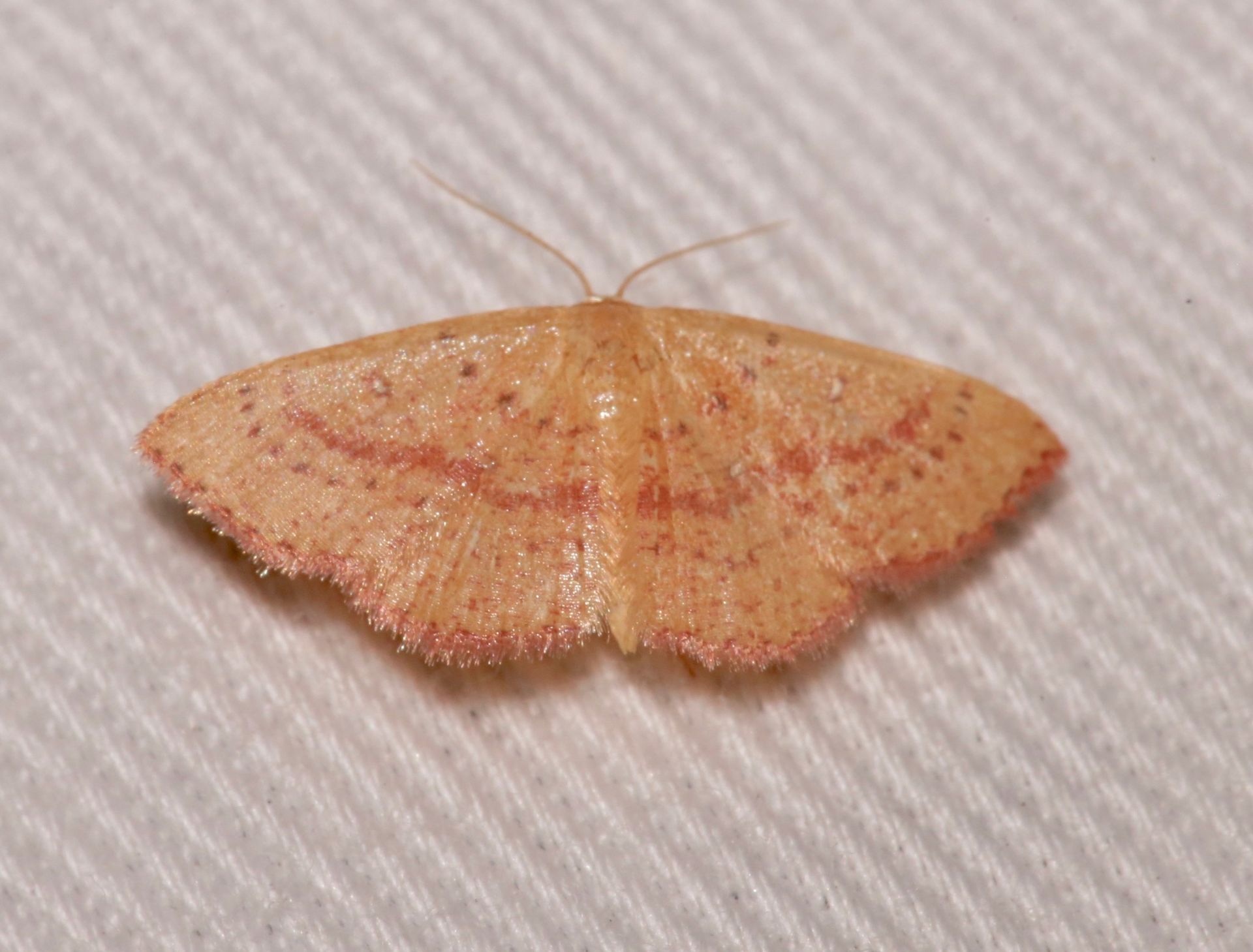
Cyclophora culicaria is a small geometrid native to eastern North America. are active in spring and summer, with a wingspan of approximately 15 mm. The larvae are known to feed exclusively on Leiophyllum buxifolium, a shrub in the Ericaceae .
Pronunciation
How to pronounce Cyclophora culicaria: //sʌɪˈklɒfərə ˌkjuːlɪˈkeəriə//
These audio files are automatically generated. While they are not always 100% accurate, they are a good starting point.
Identification
The small size (15 mm wingspan) and geographic restriction to eastern North America may help distinguish this from other Cyclophora species. However, positive identification likely requires examination of genitalia or , as many Cyclophora species are morphologically similar. The larval plant association with Leiophyllum buxifolium may provide a useful ecological indicator.
Images
Appearance
have a wingspan of approximately 15 mm. As a member of Geometridae, adults likely exhibit the characteristic slender body and broad, often rounded wings typical of the , though specific coloration and pattern details are not documented in available sources.
Habitat
Associated with supporting its larval plant, Leiophyllum buxifolium (sand myrtle), which grows in sandy, acidic soils of pine barrens and coastal plains.
Distribution
Eastern North America, from Florida to Alabama and New Jersey.
Seasonality
have been recorded on wing from April to June and in August, suggesting a or partially bivoltine with potential for two per year.
Diet
Larvae feed on Leiophyllum buxifolium (sand myrtle), an evergreen shrub in the Ericaceae . feeding habits are not documented.
Host Associations
- Leiophyllum buxifolium - larval plantSpecialized feeding relationship; the only documented for this .
Life Cycle
Complete with , larva, pupa, and stages. As a geometrid, larvae likely possess only two or three pairs of at the end, resulting in the characteristic looping or inching locomotion. Specific details on egg and pupal stages are not documented.
Behavior
are and attracted to light. Larvae are likely solitary feeders on plant foliage, as is typical for most geometrid .
Ecological Role
As a herbivore, larvae contribute to nutrient cycling and energy transfer within pine barren and coastal plain . The likely serves as prey for various including birds, spiders, and .
Human Relevance
No significant documented interactions with humans. Not known to be an agricultural or forestry pest. The specialized plant association limits potential economic impact.
Similar Taxa
- Cyclophora pendulinariaAnother small Cyclophora in eastern North America; morphologically similar and likely requiring dissection or molecular methods for reliable separation.
- Other Cyclophora speciesThe contains numerous small, similar-looking many of which overlap in geographic range; identification to species level is challenging without specialized examination.
More Details
Conservation status
Not formally assessed; likely of least concern given its relatively broad distribution within eastern North America, though loss in pine barren may pose localized threats.