
Eupithecia perfusca
(Hulst, 1898)
Pug moth
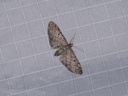
Eupithecia perfusca is a small in the Geometridae, first described by George Duryea Hulst in 1898. It is found in western North America. The has a wingspan of approximately 21 mm. Larvae feed on Salix (willow), Alnus (alder), and Betula (birch) species. have been observed visiting apple flowers, suggesting a role in pollination.


Pronunciation
How to pronounce Eupithecia perfusca: /juːpɪˈθiːʃə pərˈfʌskə/
These audio files are automatically generated. While they are not always 100% accurate, they are a good starting point.
Identification
Members of the Eupithecia (commonly called 'pugs') are recognized by their narrow wings and unique resting posture. Eupithecia perfusca is distinguished from by genitalic characters, which typically require dissection for reliable identification. The is one of many similar-looking Eupithecia species in western North America.
Images
Habitat
Associated with riparian and moist woodland environments where plants (willow, alder, birch) occur. Specific preferences beyond host plant association are not documented.
Distribution
Western North America. Documented from Alberta, Manitoba, and Saskatchewan in Canada, and from Vermont in the United States. The ' range appears to extend through montane and regions of western North America.
Seasonality
Not documented in available sources. likely active during the warmer months, consistent with other Eupithecia .
Diet
Larvae feed on Salix, Alnus, and Betula . feeding habits are not documented, though Eupithecia have been observed visiting flowers.
Host Associations
- Salix - larval food plant
- Alnus - larval food plant
- Betula - larval food plant
Life Cycle
Complete with , larva, pupa, and stages. Specific details of timing and stage are not documented.
Behavior
are and attracted to light. Eupithecia have been documented visiting apple flowers at night, suggesting potential nocturnal pollination .
Ecological Role
Larvae function as herbivores on woody deciduous plants. may contribute to pollination of flowering plants, including agricultural crops such as apple.
Human Relevance
have been documented as visitors to apple flowers, indicating potential value as in orchard . Larvae are not reported as significant pests.
Similar Taxa
- Other Eupithecia speciesMany Eupithecia are externally similar and require genitalic dissection for definitive identification. E. perfusca is part of a large with numerous look-alike species in western North America.
More Details
Taxonomic history
First described by George Duryea Hulst in 1898.
Pollination research
A 2021 study in the Journal of Economic Entomology documented Eupithecia as visitors to apple flowers, contributing to understanding of their ecological role beyond larval herbivory.