Eupithecia jejunata
McDunnough, 1949
Swift Pug
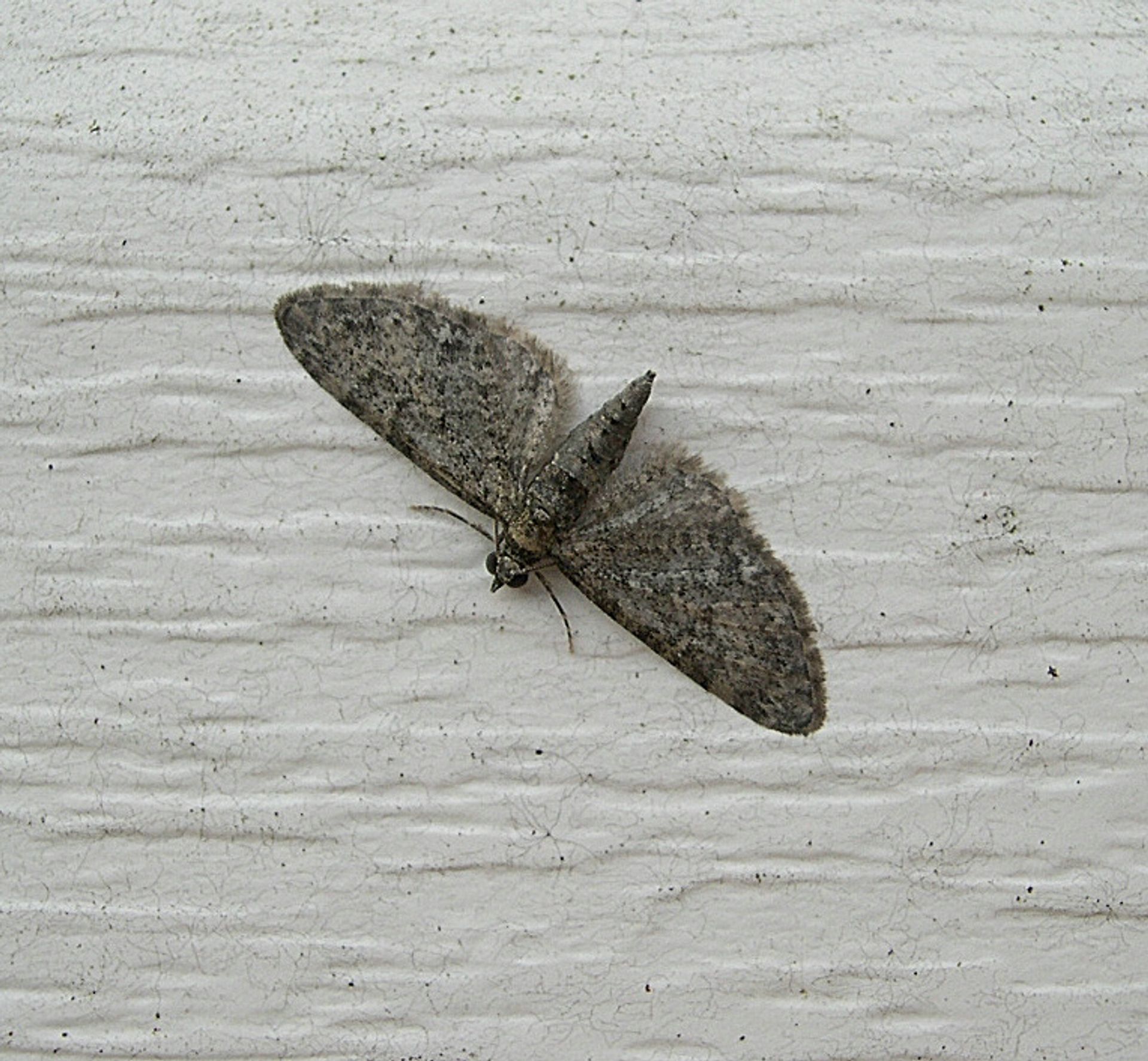
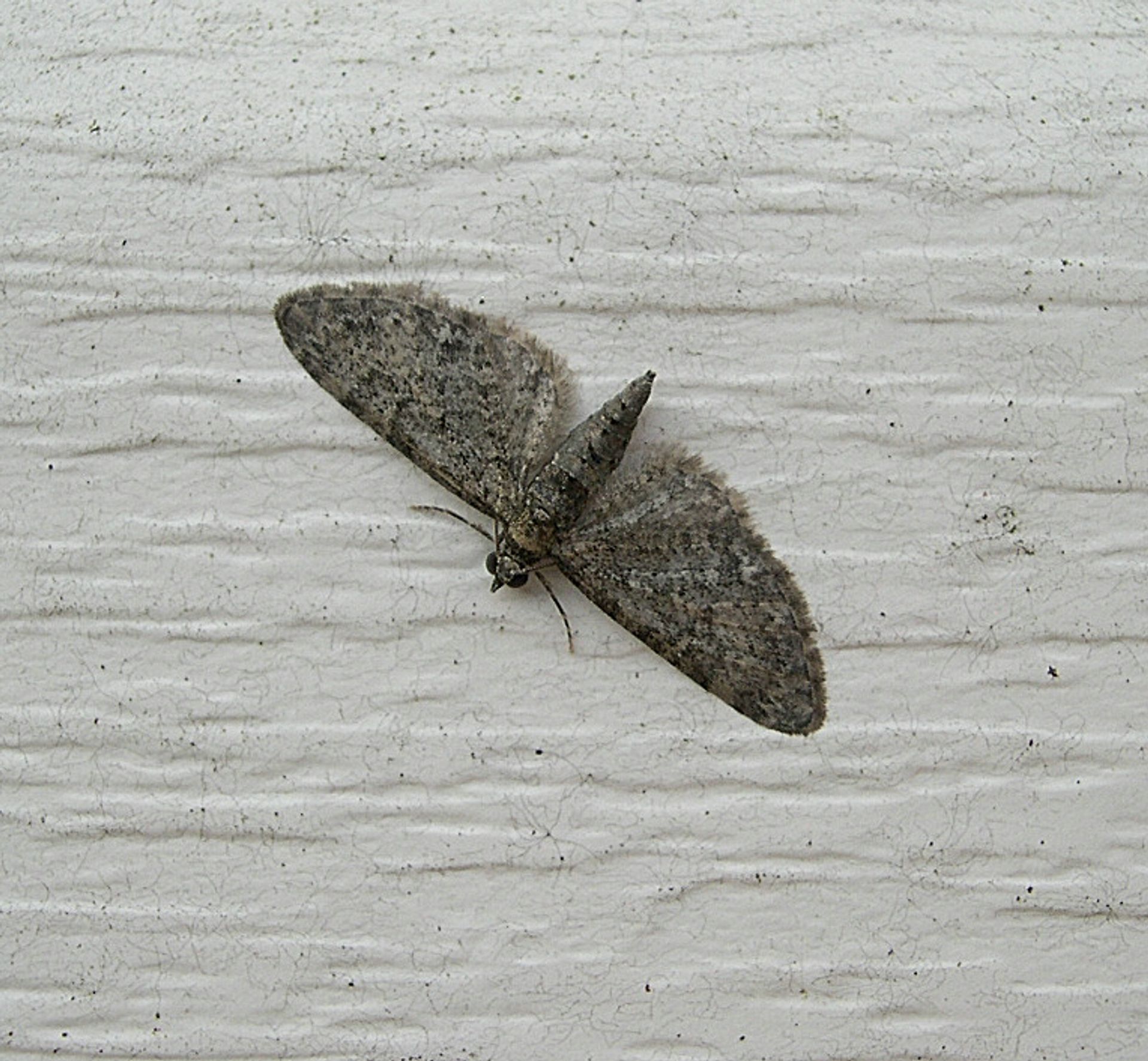
Eupithecia jejunata, commonly known as the Swift Pug, is a small in the Geometridae. It is found in the southeastern United States, with a range extending from eastern Texas north to Missouri and east to coastal North Carolina. are active primarily from February to mid-May, with a possible partial second . The has been documented visiting apple flowers, contributing to pollination of agricultural crops.
Pronunciation
How to pronounce Eupithecia jejunata: /juːˈpɪθ.si.ə dʒɛˈdʒuː.nə.tə/
These audio files are automatically generated. While they are not always 100% accurate, they are a good starting point.
Identification
Members of the Eupithecia are recognized by their narrow wings and unique resting posture. Specific identification of E. jejunata likely requires examination of genitalia or other microscopic characters, as is common for this genus. The occurs in the southeastern United States, which helps distinguish it from many western Eupithecia species. are active in early spring (February–May), earlier than some related species.
Images
Appearance
Forewings are gray with an indistinct pattern. As a member of the Eupithecia, it has the narrow wings and small size typical of 'pug' . The exhibits the characteristic resting posture of the genus, with wings held flat or slightly folded.
Distribution
Southeastern United States: eastern Texas, north through Arkansas and Missouri, east through Louisiana and Mississippi to Florida, and north to coastal North Carolina.
Seasonality
are on wing from February to mid-May. There may be a partial second , though this is not fully confirmed.
Life Cycle
Complete with , larva, pupa, and stages. Larval plants and specific details are not documented for this .
Behavior
are and have been observed visiting apple flowers at night, indicating they participate in nocturnal pollination activity. They are attracted to light.
Ecological Role
Has been documented as a of apple flowers, contributing to nighttime pollination services in agricultural settings.
Human Relevance
Contributes to pollination of apple crops. As a member of a large and taxonomically challenging , it exemplifies the difficulty of identifying small geometrid moths without specialized examination.
Similar Taxa
- Other Eupithecia speciesMany Eupithecia are extremely similar in external appearance and often require dissection of genitalia for definitive identification. E. jejunata is distinguished by its southeastern U.S. distribution and early spring period.
More Details
Taxonomic challenge
Eupithecia is a large with many cryptic . Identification to species level typically requires examination of genitalia characters invisible to standard photography or field observation.
Nocturnal pollination documentation
A 2021 study in the Journal of Economic Entomology documented Eupithecia visiting apple flowers at night, contributing to growing recognition of moths as significant in agricultural systems.