Eupithecia coloradensis
(Hulst, 1896)
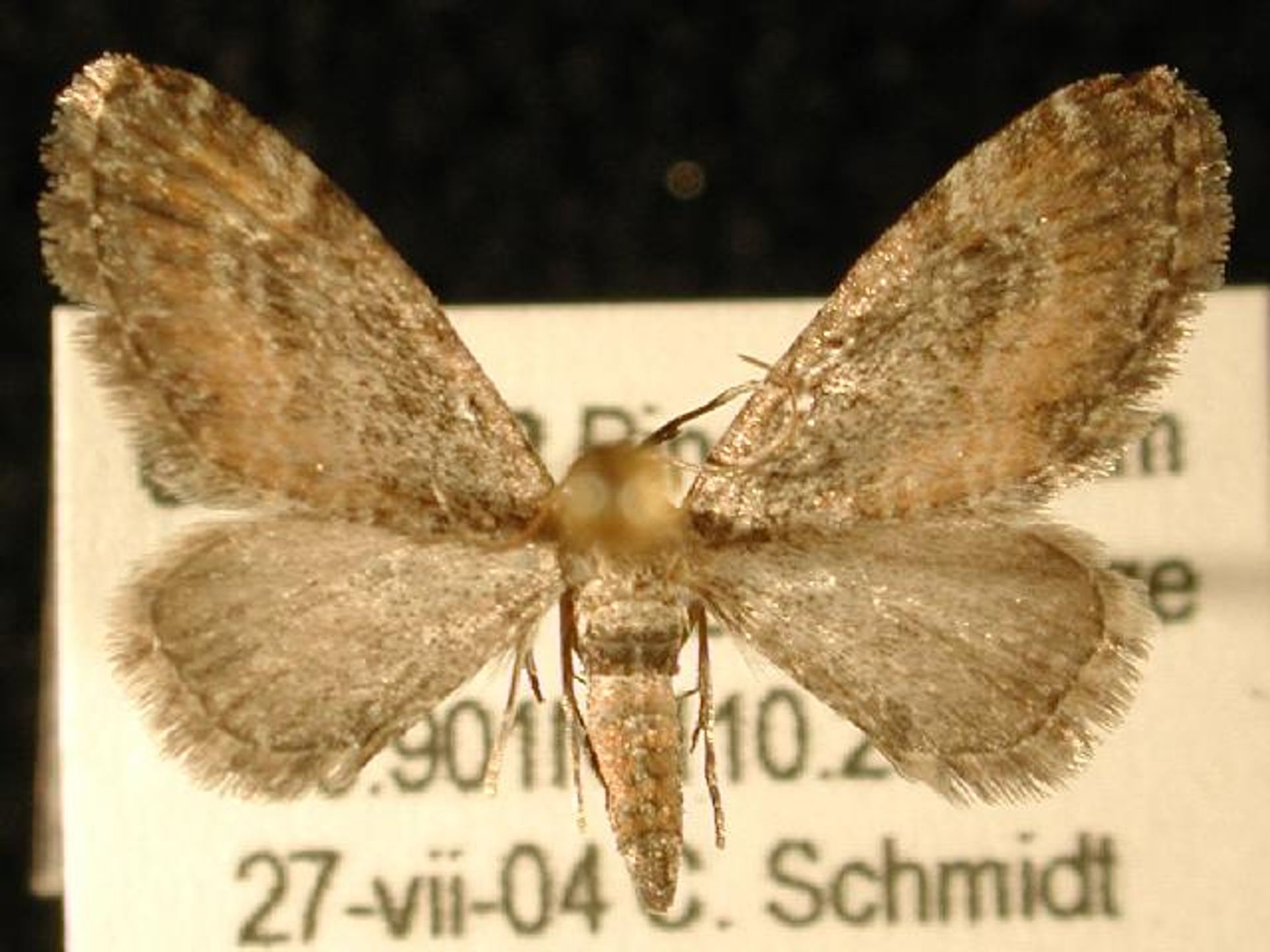
Eupithecia coloradensis is a small in the Geometridae, first described by George Duryea Hulst in 1896. It belongs to the Eupithecia, commonly known as "pug" moths, recognized by their narrow wings and distinctive resting posture. The has been documented visiting apple flowers at night, contributing to pollination services. Like other Eupithecia species, it is likely a microlepidopteran with ecological roles that extend beyond its larval stage.
Pronunciation
How to pronounce Eupithecia coloradensis: //juːpɪˈθiːʃə kəˌlɔːrəˈdɛnsɪs//
These audio files are automatically generated. While they are not always 100% accurate, they are a good starting point.
Identification
Members of Eupithecia are readily recognized by their narrow wings and unique resting posture among Geometridae. -level identification within this requires examination of genitalia or detailed wing pattern analysis; external alone is generally insufficient. Distinguished from broader-winged geometrid moths by wing shape and posture. Similar to other "pug" but specific characters for E. coloradensis require determination.
Images
Appearance
A small with wingspan 14–19 mm. As a member of the Eupithecia, it possesses narrow, relatively pointed wings held flat or slightly folded at rest. Coloration and precise wing pattern details are not well documented in available sources, but Eupithecia typically exhibit subdued gray-brown tones with fine linear markings.
Habitat
Associated with mixed conifer forest at moderate elevations, based on observations of related Eupithecia in similar geographic regions. Specific habitat requirements for this species are not well documented.
Distribution
North America: western Quebec and western Ontario south to North Carolina, west to New Mexico, Arizona, Colorado, and south-eastern Alberta.
Behavior
Has been observed visiting apple flowers at night, indicating foraging activity. Attracted to light sources, as documented for other members of the .
Ecological Role
Documented as a of apple flowers. Contributes to nighttime pollination services in agricultural and natural , though the magnitude of its contribution relative to other pollinators is not quantified.
Human Relevance
Recognized as a participant in pollination of apple crops, suggesting potential value in orchard . No known negative impacts.
Similar Taxa
- Other Eupithecia speciesShare narrow wing shape and resting posture; require genitalia dissection or detailed pattern analysis for separation
- Broader-winged GeometridaeDistinguished by Eupithecia's characteristic narrow wings and flat resting posture
More Details
Nocturnal pollination documentation
Photographic records from apple pollination studies in Arkansas confirm this visits flowers at night, contributing to growing recognition of pollination services
Taxonomic challenges
Eupithecia is a large with many similar ; accurate identification to species level typically requires examination
Sources and further reading
- BugGuide
- Wikipedia
- GBIF taxonomy match
- iNaturalist taxon
- NCBI Taxonomy
- Catalogue of Life
- Hello There, Little Leafcutter Bee | Bug Squad
- Ever See a Leafcutter Bee Sunning Itself on a Milkweed Leaf? | Bug Squad
- Eupithecia sp. moth on apple flower - Entomology Today
- P.M. Pollinators: Study Shines Light on Nocturnal Insects' Role in Apple Production
- Bug Eric: New Mexico Night Bugs
- Bug Eric: Wasp Wednesday: Agathidinae