
Palyadini
Genus Guides
1Palyadini is a tribe of geometer moths within the Geometridae. Members are predominantly found in tropical and subtropical regions, with highest diversity in the Old World tropics. The tribe includes characterized by relatively broad wings and distinctive genitalic used in taxonomic identification.
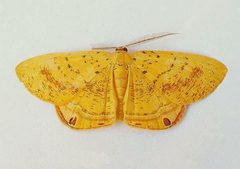
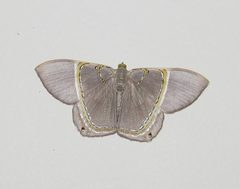
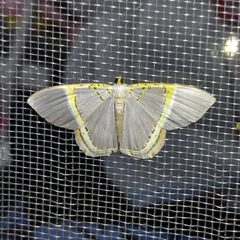
Pronunciation
How to pronounce Palyadini: /pæl.jəˈdiː.niː/
These audio files are automatically generated. While they are not always 100% accurate, they are a good starting point.
Identification
Palyadini can be distinguished from other Geometridae tribes by genitalic features, particularly in male claspers and female signa. often exhibit broad, somewhat triangular forewings with reduced or absent fovea. Wing patterns frequently include wavy transverse lines and variable ground colors ranging from brown to greenish tones.
Images
Distribution
Tropical and subtropical regions worldwide, with greatest diversity in the Oriental and Afrotropical regions. Records extend from South and Southeast Asia through sub-Saharan Africa to Madagascar and associated islands.
Similar Taxa
More Details
Taxonomic history
Palyadini has undergone significant revision, with many transferred to or from related tribes based on phylogenetic studies. The current circumscription relies heavily on molecular data combined with morphological characters.
Research needs
Larval stages and plant relationships remain poorly documented for most Palyadini , representing significant gaps in biological knowledge.