
Sabulodes
Guenée, [1858]
Species Guides
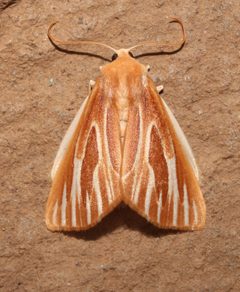
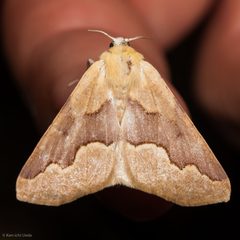
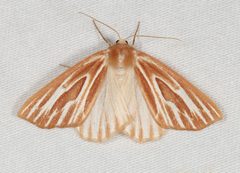
9Sabulodes is a of geometrid moths (Geometridae: Ennominae) first described by Achille Guenée in 1857. The genus contains approximately 50 described distributed primarily in the Americas, with some species occurring in the Neotropics. Several species have been documented as forest defoliators, including Sabulodes glaucularia, which has been reported as a pest of Pinus patula, Cupressus lusitanica, and Eucalyptus in Colombian forests. The genus is taxonomically well-established but individual species-level remains incompletely documented.
Pronunciation
How to pronounce Sabulodes: //ˈsæbjʊˌloʊdiːz//
These audio files are automatically generated. While they are not always 100% accurate, they are a good starting point.
Images
Habitat
Forest ; several have been documented in pine plantations and other forested environments.
Distribution
Americas, with primary diversity in the Neotropics. Specific documented occurrences include Colombia (S. glaucularia), the southwestern United States (multiple ), Mexico, Central America, and South America.
Host Associations
- Pinus patula - defoliatorSabulodes glaucularia documented as defoliator in Colombia
- Cupressus lusitanica - defoliatorSabulodes glaucularia documented as defoliator in Colombia
- Eucalyptus - defoliatorSabulodes glaucularia documented as defoliator in Colombia
Ecological Role
Forest defoliator; some function as pests of plantation forestry.
Human Relevance
Some are recognized as forest pests with economic impact on plantation forestry, particularly in Colombia where Sabulodes glaucularia has been reported as an important defoliator of Pinus patula, Cupressus lusitanica, and Eucalyptus.