
Meris
Hulst, 1896
Species Guides
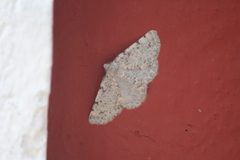
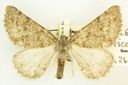
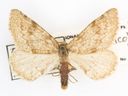
2Meris is a of geometer moths in the Geometridae, Ennominae. The genus was established by George Duryea Hulst in 1896. It contains five described , all restricted to western North America. The genus is characterized by distinctive wing patterns and is part of a diverse group of inchworm .
Pronunciation
How to pronounce Meris: /ˈmɛrɪs/
These audio files are automatically generated. While they are not always 100% accurate, they are a good starting point.
Identification
in this can be distinguished from related Ennominae by wing pattern and genitalic characters. The five described species show variation in forewing markings and coloration, ranging from gray-brown to more patterned forms. Specific identification requires examination of genitalic structures; external characters alone are often insufficient for distinguishing between species.
Images
Habitat
occur in montane and high-elevation of western North America. Meris alticola, the type species, has been recorded from alpine and subalpine zones. Other species occupy coniferous forest and scrubland habitats at moderate to high elevations.
Distribution
Restricted to western North America. Documented from California, Oregon, Washington, and adjacent regions. The shows a disjunct distribution pattern typical of montane- geometrid moths in this region.
Seasonality
have been recorded from late spring through summer, with peak activity varying by elevation. Higher-elevation fly later in the season, typically July through August.
Similar Taxa
- EufidoniaBoth are Ennominae with similar wing shape and resting posture, but Eufidonia generally show more uniform gray coloration and lack the distinct forewing pattern elements seen in Meris.
- LomographaSimilar overall appearance in some , but Lomographa is primarily Palearctic and has different male genitalic structures; also tends to have more prominent wing markings.
More Details
Taxonomic History
The was for many years, containing only Meris alticola until Rindge described four additional in 1981 based on material from California and Oregon. This expansion of the genus revealed previously unrecognized diversity in western North American montane geometrid fauna.
Etymology
The name is feminine in gender, derived from Greek. The exact etymology was not specified in the original description, but follows classical naming conventions common in Hulst's work.