
Caripeta
Walker, [1863]
brown pine looper, grey spruce looper, northern pine looper
Species Guides
13- Caripeta aequaliaria(Western Conifer Looper)
- Caripeta angustiorata(Brown Pine Looper)
- Caripeta aretaria(Southern Pine Looper)
- Caripeta canidiaria
- Caripeta divisata(Gray Spruce Looper)
- Caripeta hilumaria
- Caripeta interalbicans
- Caripeta macularia
- Caripeta ocellaria
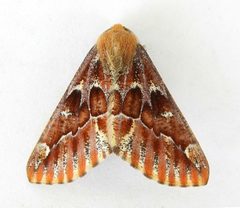
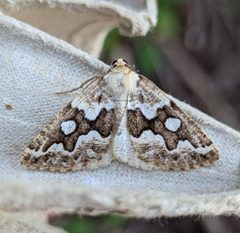
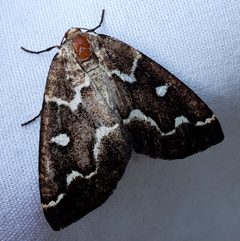
Caripeta is a of geometrid moths erected by Francis Walker in 1863. The genus includes approximately 13 described , several of which are known as loopers due to their characteristic larval locomotion. Some species are economically significant forest pests, particularly those associated with coniferous trees.
Pronunciation
How to pronounce Caripeta: //ˌkærɪˈpiːtə//
These audio files are automatically generated. While they are not always 100% accurate, they are a good starting point.
Identification
are geometrid moths with the typical slender body and broad wings characteristic of the . -level identification requires examination of wing pattern, particularly the arrangement and shape of transverse lines and discal spots on the forewings and hindwings. Male genitalia provide definitive characters for distinguishing closely related species.
Images
Habitat
Associated with coniferous and mixed forests. Larvae feed on conifer foliage, particularly Pinus and Picea .
Distribution
North America, with distributed across Canada and the United States.
Diet
Larvae feed on conifer needles, particularly pine (Pinus) and spruce (Picea). Specific associations vary by .
Host Associations
- Pinus - larval food plantpine
- Picea - larval food plantspruce
Behavior
Larvae move with a characteristic looping gait, arching the body to bring the hind forward to meet the thoracic legs, then extending the body. This locomotion gives the group its of loopers.
Ecological Role
Larvae function as folivores on coniferous trees. can cause significant defoliation of trees.
Human Relevance
Several are forest pests of economic importance. Caripeta piniata (northern pine looper) and Caripeta angustiorata (brown pine looper) are known to cause defoliation of pine stands. Caripeta divisata (grey spruce looper) affects spruce trees.
Similar Taxa
- LambdinaAlso contains conifer-feeding loopers with similar larval ; distinguished by wing pattern and genitalia
- BistonSimilar geometrid moths with looping larvae; differs in wing venation and larval preferences
More Details
Etymology
The name Caripeta was established by Francis Walker in 1863. The etymology is not explicitly documented in the original description.
Economic significance
of Caripeta can result in substantial timber losses. Monitoring and management of these loopers is part of programs in North American forestry.