
Besma
Capps, 1943
Species Guides
4- Besma endropiaria(straw besma)
- Besma quercivoraria(Oak Besma)
- Besma rubritincta
- Besma sesquilinearia
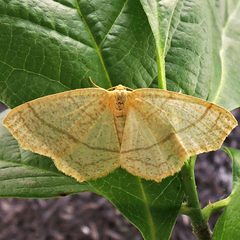
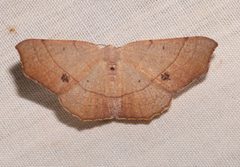
Besma is a of in the Geometridae, Ennominae. The genus was established by Capps in 1943 and contains four recognized distributed in North America. The genus includes notable species such as Besma quercivoraria (oak besma) and Besma endropiaria (straw besma), which are referenced by reflecting their larval associations.
Pronunciation
How to pronounce Besma: /ˈbɛs.mə/
These audio files are automatically generated. While they are not always 100% accurate, they are a good starting point.
Identification
of Besma can be distinguished from similar geometrid moths by genitalic characters, particularly male genitalia structure, which formed the basis for Capps' 1943 generic revision. External alone is generally insufficient for reliable identification to species level; dissection and examination of genitalia are typically required. The is placed in the tribe Boarmiini (or related ennomine group) based on these internal morphological features.
Images
Habitat
Associated with deciduous forest , particularly oak woodlands, based on larval records for B. quercivoraria. Specific habitat requirements for other are not well documented.
Distribution
North America. Records exist from the United States and Canada, with -level distributions varying: B. quercivoraria and B. endropiaria are broadly distributed in eastern and central North America; B. sesquilinearia and B. rubritincta have more restricted ranges in the western and southwestern United States.
Diet
Larvae of Besma quercivoraria feed on oak (Quercus ). Larval diet for other Besma species has not been documented.
Host Associations
- Quercus - larval food plantconfirmed for B. quercivoraria only
Ecological Role
Larvae function as herbivores in deciduous forest . Specific ecological impacts or roles have not been studied.
Similar Taxa
- IridopsisSimilar external appearance in wing pattern and body form; distinguished by male genitalia structure and subtle differences in wing venation
- AnavitrinellaOverlaps in distribution and general ; separated by genitalic characters and subtle pattern elements
More Details
Taxonomic history
The was revised by Kenneth H. Capps in 1943, who separated it from related genera based primarily on male genital . Prior to this revision, now placed in Besma were often assigned to Boarmia or related genera.
Etymology
The generic name is an anagram of 'mbesa,' though the specific derivation intended by Capps was not explicitly stated in the original description.