
Digrammia subminiata
(Packard, 1873)
Vermilion Granite Moth, vermillion granite, dark-waved angle
A small geometrid of western North America, first described by Alpheus Spring Packard in 1873. are active in late spring and summer. The is associated with willow .

Pronunciation
How to pronounce Digrammia subminiata: /dɪˈɡræmiə ˌsʌbmɪniˈɑːtə/
These audio files are automatically generated. While they are not always 100% accurate, they are a good starting point.
Identification
Distinguished from similar Digrammia by combination of vermilion-reddish ground color with dark wavy transverse lines. The specific epithet "subminiata" (somewhat vermilion) distinguishes it from related species. Precise separation from Digrammia californiaria and D. muscariata requires examination of genitalia or detailed wing pattern analysis; these also occur in western North America and share granite- habits.
Images
Appearance
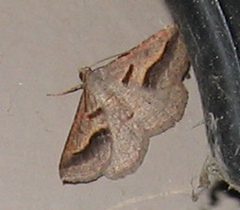
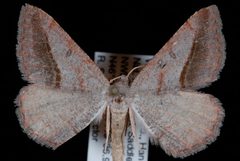
Wingspan 20–25 mm. The "vermilion granite" suggests reddish coloration with a or mottled pattern; "dark-waved angle" indicates dark transverse lines and angled wing margins typical of many geometrids. Specific pattern details beyond these common name references are not documented in available sources.
Habitat
Associated with riparian and moist where willow (Salix) plants occur. Specific microhabitat preferences beyond host plant distribution are not documented.
Distribution
Western North America: British Columbia to Manitoba, south through Colorado to Arizona and California. Canadian provincial records include Alberta, Manitoba, and Saskatchewan.
Seasonality
active from late May to late July. Single-brooded with peak during mid-summer.
Diet
Larvae feed on Salix (willow) . feeding habits are not documented.
Host Associations
- Salix - larval food plantwillow
Behavior
; attracted to ultraviolet light sources. are active fliers during summer evenings.
Ecological Role
Larval herbivore on willows; contributes to as prey for birds, bats, and other . Specific ecological impacts are not quantified.
Human Relevance
No significant documented economic or cultural importance. Occasionally encountered by enthusiasts at blacklighting events in western North America.
Similar Taxa
- Digrammia californiariaSimilar size, granite- appearance, and western North American distribution; distinguished by specific wing pattern details and genitalia
- Digrammia muscariataOverlapping range and blacklight attraction; requires close examination to separate from D. subminiata
More Details
Etymology
The specific epithet "subminiata" derives from Latin, meaning somewhat or slightly vermilion (red-orange), referring to the coloration. The "dark-waved angle" describes the wing pattern and shape.
Original Description
First described as Panagra subminiata by Packard in 1873, later transferred to Digrammia.
Sources and further reading
- BugGuide
- Wikipedia
- GBIF taxonomy match
- iNaturalist taxon
- NCBI Taxonomy
- Catalogue of Life
- What Will You See at Bohart Museum Open House | Bug Squad
- Blacklighting at the Bohart: They Saw the Light | Bug Squad
- Oh, What a (Moth) Night! | Bug Squad
- Bohart Open House: Like a Moth to a Flame | Bug Squad
- Mark Your Calendar for 'Moth Night' at Bohart Museum: July 30 | Bug Squad
- A Night at the Bohart Museum: Moth Night on Saturday, July 22 | Bug Squad