Digrammia excurvata
(Packard, 1874)
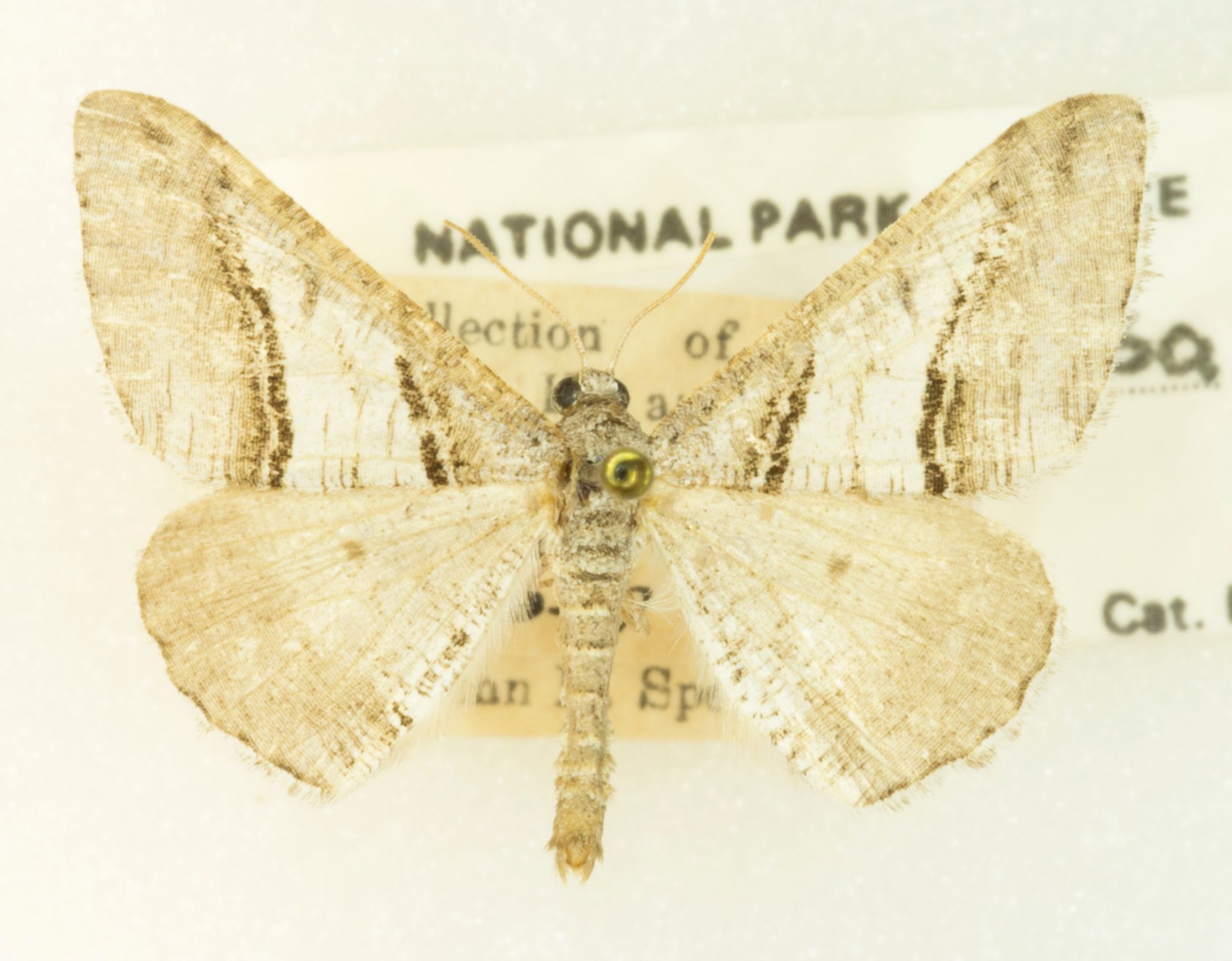
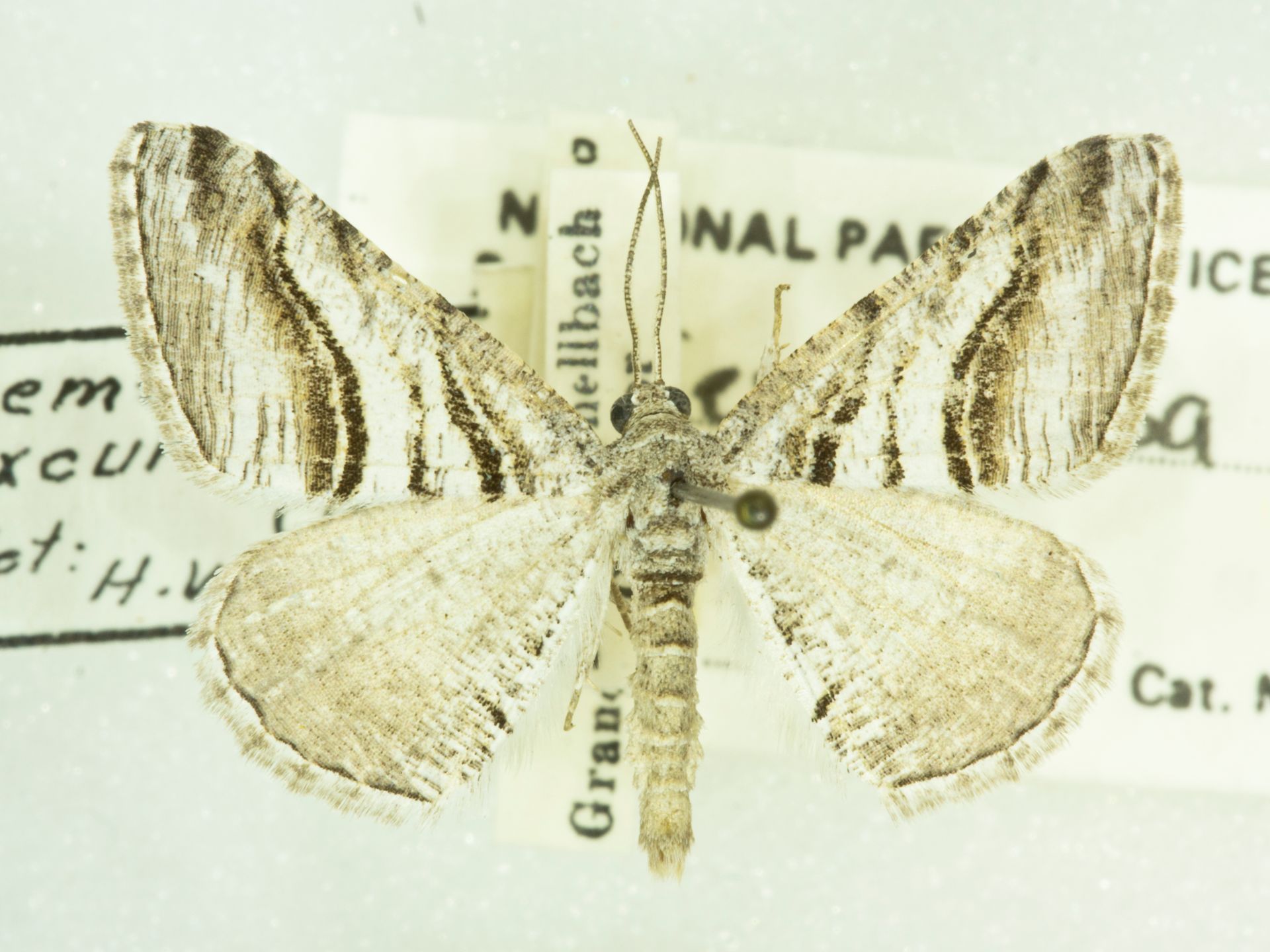
Digrammia excurvata is a of geometrid first described by Packard in 1874. It belongs to the Digrammia, which includes numerous North American species commonly known as granite moths. The species is documented from North America, though specific details regarding its and remain limited in published sources.
Pronunciation
How to pronounce Digrammia excurvata: //daɪˈɡræmiə ɛkˈskɜrvətə//
These audio files are automatically generated. While they are not always 100% accurate, they are a good starting point.
Identification
Members of the Digrammia can be challenging to distinguish without close examination. D. excurvata is one of approximately 60 in this genus, many of which exhibit cryptic coloration and wing patterns that blend with rocky substrates. Definitive identification typically requires examination of genitalic structures or detailed wing pattern analysis. The specific epithet 'excurvata' may refer to a characteristic curvature in wing venation or body structure, though this requires verification.
Images
Distribution
North America. Specific range boundaries within North America are not well documented in available sources.
Behavior
are and have been observed at ultraviolet light sources, consistent with patterns documented for other Digrammia .
Similar Taxa
- Digrammia muscariataAnother Digrammia frequently recorded at blacklighting events in California; both species share and similar preferences, though D. muscariata has been more commonly documented in recent surveys.
- Digrammia californiariaClosely related with similar appearance and overlapping distribution in western North America; both have been observed at the same blacklighting stations.
More Details
Taxonomic History
Originally described as Phasiane excurvata by Packard in 1874, this was later transferred to the Digrammia. The genus Digrammia was revised in the 20th century, though comprehensive modern treatments remain limited.
Research Needs
Basic biological information including larval plants, precise geographic range, and distinguishing morphological characters require further study. The is represented by relatively few observations in public databases compared to more frequently encountered .
Sources and further reading
- BugGuide
- Wikipedia
- GBIF taxonomy match
- iNaturalist taxon
- NCBI Taxonomy
- Catalogue of Life
- What Will You See at Bohart Museum Open House | Bug Squad
- Blacklighting at the Bohart: They Saw the Light | Bug Squad
- Oh, What a (Moth) Night! | Bug Squad
- Bohart Open House: Like a Moth to a Flame | Bug Squad
- Mark Your Calendar for 'Moth Night' at Bohart Museum: July 30 | Bug Squad
- A Night at the Bohart Museum: Moth Night on Saturday, July 22 | Bug Squad