
Campaea
Lamarck, 1816
Species Guides
1- Campaea perlata(Pale Beauty)
Campaea is a of geometer moths in the Geometridae, Ennominae, established by Lamarck in 1816. The genus contains approximately 30 described distributed across the Holarctic region, with records from Europe, North America, and parts of Asia. Best-known members include Campaea margaritata (light emerald) and Campaea perlata (pale beauty). Species in this genus are characterized by broad wings, often with green or pale coloration that frequently fades post-, and larvae that feed on deciduous tree foliage.
Pronunciation
How to pronounce Campaea: /kæmˈpiːə/
These audio files are automatically generated. While they are not always 100% accurate, they are a good starting point.
Identification
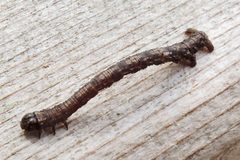
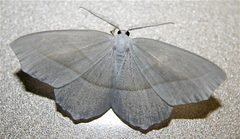
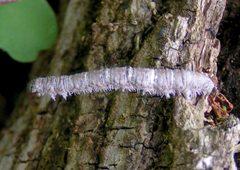
typically possess broad, relatively rounded wings with variable green, white, or pale coloration. The green pigment (geoverdin) in some is unstable and fades rapidly after . Campaea margaritata is distinguished by a hooked red tip to the forewing. Larvae often have a distinctive fringe of setae along the underside of the body.
Images
Habitat
occupy broadleaved woodland, scrub, hedgerows, parks, gardens, and urban areas. frequently rest concealed under leaves.
Distribution
Recorded from Europe (including Denmark, Norway, Sweden, Britain, and Ireland), North America (including Vermont, USA), and parts of Asia. Individual show varying geographic ranges within this broader distribution.
Seasonality
activity varies by and latitude. Campaea margaritata: one annually in northern England, Scotland, and Ireland; two generations in southern Britain. Adults observed from late May to early October.
Diet
Larvae feed on foliage of deciduous trees. Campaea margaritata larvae consume apple, beech, birch, elm, hawthorn, hazel, oak, and Prunus .
Host Associations
- apple - larval foodplantMalus
- beech - larval foodplantFagus
- birch - larval foodplantBetula
- elm - larval foodplantUlmus
- hawthorn - larval foodplantCrataegus
- hazel - larval foodplantCorylus
- oak - larval foodplantQuercus
- Prunus - larval foodplantMultiple
Life Cycle
Campaea margaritata: in northern England, Scotland, and Ireland; in southern Britain. Larva overwinters along stems of the foodplant. details not specified in available sources.
Behavior
Newly emerged of some exhibit pale green coloration that fades to white within days due to instability of the green wing pigment geoverdin. Adults are often disturbed while resting concealed under leaves.
Ecological Role
Prey for insectivorous bats; detected in fecal of Plecotus auritus (brown long-eared bat) in Belgian orchards, indicating contribution to bat diet in agricultural . Larvae function as folivores on deciduous trees.
Similar Taxa
- HemistolaAlso green geometrid moths with broad wings; Hemistola typically retain green coloration longer and lack the hooked forewing tip of Campaea margaritata
- GeometraSimilar green coloration and wing shape; Geometra (emerald moths) often have more angular wings and different larval associations
More Details
Wing pigment instability
The green pigment geoverdin in Campaea margaritata is notably unstable, causing rapid color change from green to white post-. This has been documented in laboratory and field observations.
Genomic resources
A sequence is available for Campaea margaritaria (synonymized as C. margaritata), published in Wellcome Open Research (PMCID: PMC10891428), providing molecular resources for this .