
Glena cognataria
(Hübner, 1831)
Blueberry Gray, blueberry gray moth
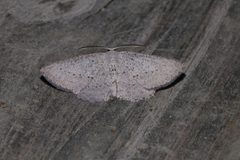
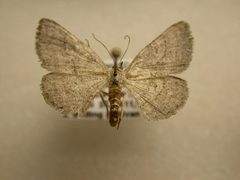
Glena cognataria, commonly known as the blueberry gray , is a small geometrid moth native to eastern North America. have forewings measuring 13–15 mm. The is associated with bogs and pine barrens , with larvae feeding primarily on blueberry and various hardwood species. It is listed as a species of special concern in Connecticut, where it is believed extirpated.
Pronunciation
How to pronounce Glena cognataria: //ˈɡleɪˌnə ˌkʌɡ.nəˈtɛə.ri.ə//
These audio files are automatically generated. While they are not always 100% accurate, they are a good starting point.
Identification
Small gray geometrid with forewings 13–15 mm in length. Distinguished from similar Glena by geographic range and association with blueberry plants in bog and pine barren . Specific wing pattern details for field identification are not documented in available sources.
Images
Habitat
Bogs and pine barrens. Associated with wetland and acidic, sandy soil supporting ericaceous vegetation.
Distribution
Eastern North America from Florida north to Nova Scotia and New Brunswick, Canada.
Diet
Larvae feed on blueberry (Vaccinium) and have been recorded on hardwood including oak, maple, cherry, willow, and poplar.
Host Associations
- blueberry - larval primary
- oak - larval recorded feeding
- maple - larval recorded feeding
- cherry - larval recorded feeding
- willow - larval recorded feeding
- poplar - larval recorded feeding
Human Relevance
Listed as a of special concern and believed extirpated in Connecticut. Conservation status reflects loss in this portion of its range.
Similar Taxa
- Other Glena speciesSimilar gray coloration and size; distinguished by geographic distribution and specificity where ranges overlap.
More Details
Conservation Status
Listed as a of special concern in Connecticut, with the state believed extirpated. This status highlights vulnerability of bog and pine barren species to fragmentation and loss.